MUMBAI, March 30, 2026, 16:40 IST
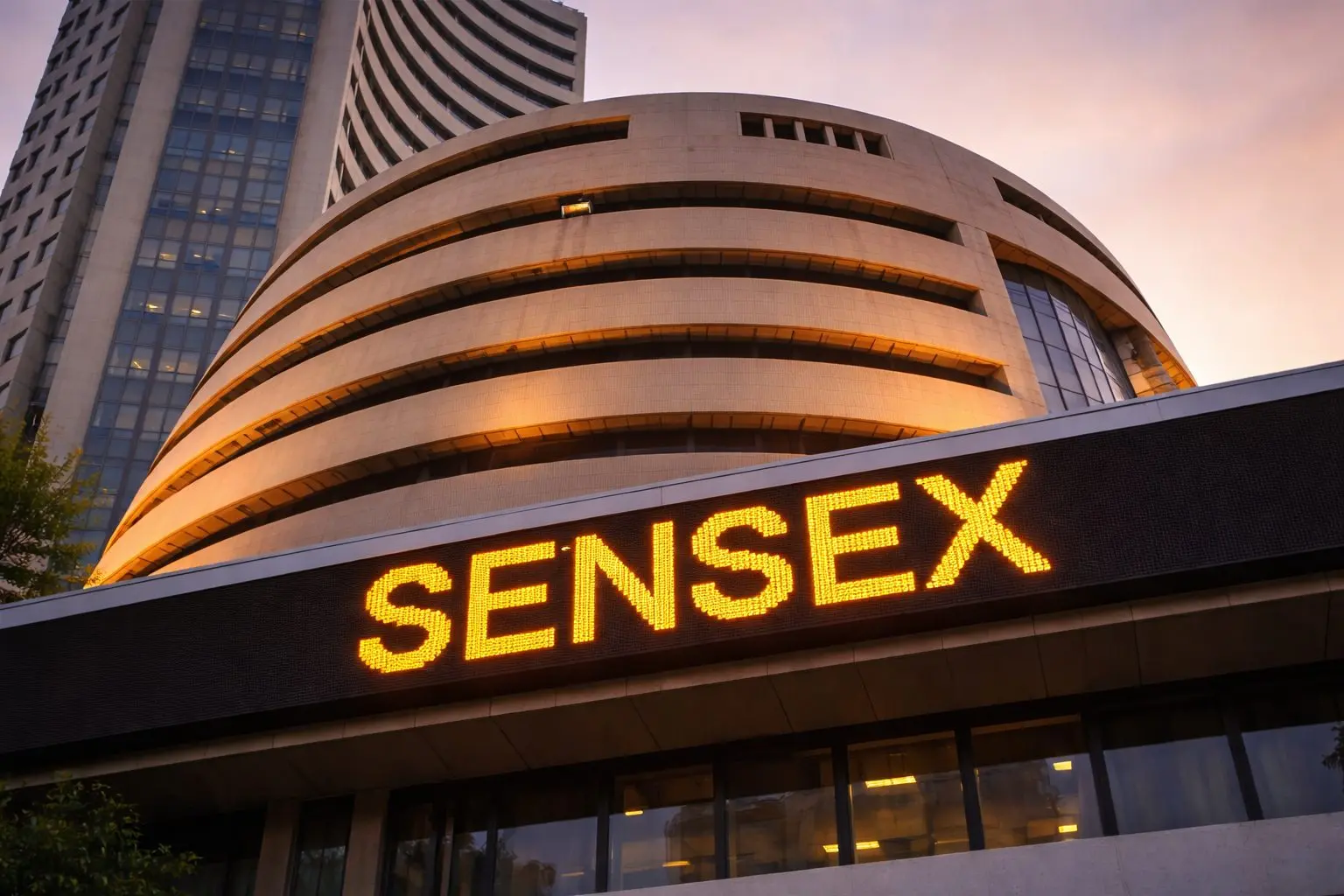
Indian equities wrapped up their bleakest month since March 2020 on Monday. The Sensex slid 2.22% to settle at 71,947.55, while the Nifty 50 retreated 2.14% to 22,331.4 as crude surged above $115 a barrel amid the escalating Middle East conflict. That finish pushed the Sensex to depths not seen in over two years. The rupee crossed 95 against the dollar for the first time, marking a third consecutive day of historic lows. Reuters
India brings in roughly 90% of its oil, making it especially vulnerable when crude prices climb—higher costs can quickly push up inflation, blow out the current-account deficit, and put the squeeze on company profits. Monday wrapped up the 2025-26 fiscal year for trading, with markets closed Tuesday for a holiday. Reuters
Both benchmarks tumbled over 11% in March, capping off their worst fiscal year since 2020. Losses hit every corner: all 16 major sectors slid last month, mid-caps dropped 10.9%, small-caps 10.2%. Indian benchmarks also underperformed other Asian and emerging-market indexes. Reuters
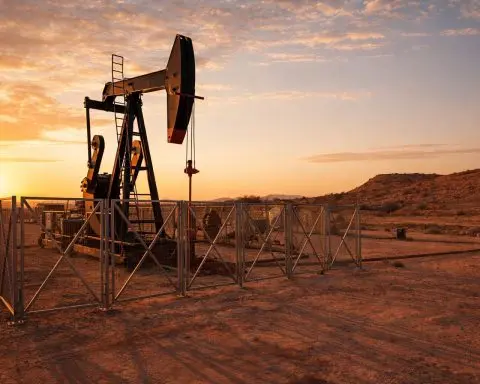
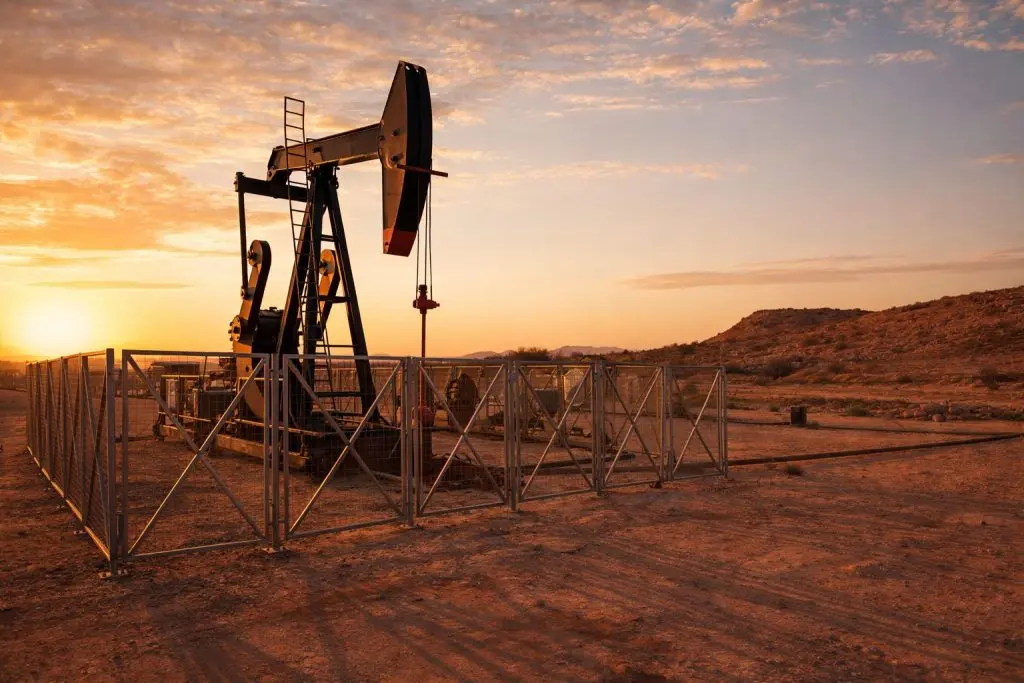
Oil took the biggest toll. Brent advanced roughly 3% to $115.98 on Monday, tallying a sharp 60% surge for the month as the conflict—ongoing since late February—widened and rattled nerves over major supply routes. The contract briefly hit $116.70, just shy of a new 52-week peak. Moneycontrol
Banks piled on further pressure after the Reserve Bank of India moved Friday to cap net open rupee positions at $100 million by April 10. That tighter leash sharply limits unhedged FX exposure. Financials slumped 15.6% in March. Traders steeled themselves for banks to unwind sizable basis trades linking the onshore and offshore rupee. Reuters
The rupee couldn’t hold its early gains, slipping to 95.21-95.24 per dollar on Monday. Barclays analysts noted the RBI’s intervention might offer some short-term relief, but flagged persistent risks from oil prices, capital outflows, and mounting stress on India’s external accounts. Reuters
Foreign investors didn’t stop pulling out. On Friday, provisional data had them dumping 4,367 crore rupees of Indian stocks, pushing this fiscal year’s equity outflow to $19.3 billion. That’s a big reason Indian shares have trailed their regional peers, even after the broader selloff. Moneycontrol
Analysts aren’t calling a bottom just yet. “It’s too early to be bottom-fishing,” said Sat Duhra, portfolio manager at Henderson Far East Income, pointing out that India remains pricey compared with some North Asian markets. VK Vijayakumar, chief investment strategist at Geojit Investments, put it this way: valuations have reached “fair” territory, but, in his words, they’re “not yet cheap.” Reuters
Jefferies’ Mahesh Nandurkar flagged a risk: if the Hormuz disruption drags into April, earnings for oil marketing firms, airlines, cement, tiles, paints and adhesives could drop more than 10%. He added that GDP growth for FY2027 might end up 50 basis points—so, half a percentage point—lower, with corporate earnings trimmed by 2% to 2.5%. Moneycontrol
Any sign of de-escalation could offer some relief. Pakistan has announced plans to host “meaningful talks” in the coming days, raising hopes of easing tensions—and maybe some pressure off oil. Still, if crude doesn’t budge from current levels or if supply lines tighten, India could be looking at the new fiscal year saddled with a weaker rupee, higher import bills, and mounting stress on banks, bonds, and rate-sensitive sectors as trading picks up again Wednesday. Moneycontrol
Safe spots were scarce. Coal India led the Nifty 50 in March, climbing 4.6% as traders moved into energy stocks. Autos and consumer durables, though, slid over 12% apiece. IT giants Tata Consultancy Services, Infosys, and Wipro all landed among the fiscal year’s laggards. Reuters