
London, March 30, 2026, 12:09 BST
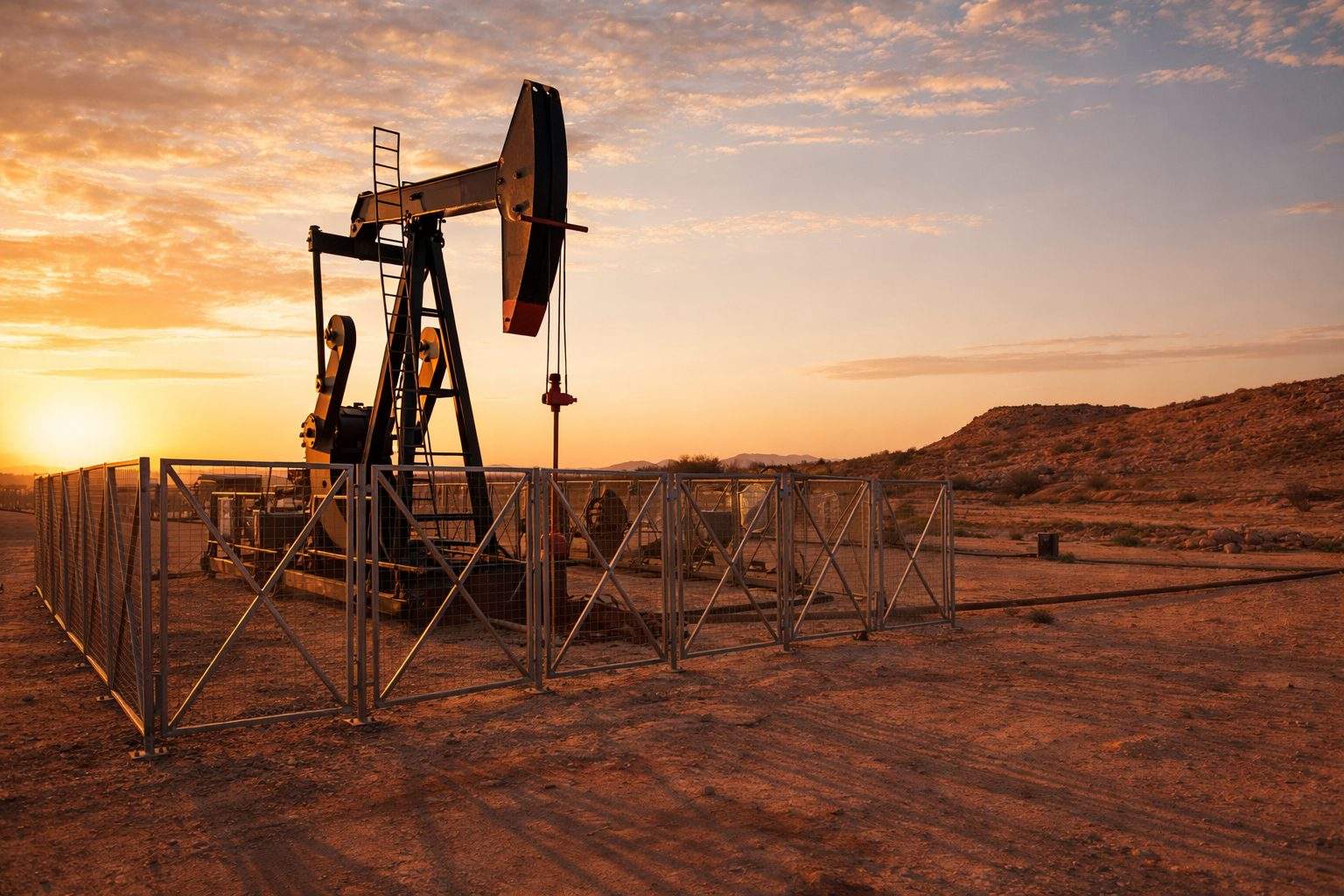
Oil climbed on Monday. Brent, the global benchmark, edged closer to $116 a barrel; U.S. West Texas Intermediate (WTI) stayed above $101. Traders watched closely after Yemen’s Houthis attacked Israel over the weekend, expanding a conflict many already worried could engulf the Gulf. Brent is now set for its steepest monthly jump since at least 1988, and WTI is tracking its strongest month since May 2020.
This shift is significant: markets aren’t just bracing for a short-lived surge anymore. Those longer-dated Brent futures topping $100 again signal that traders anticipate supply will stay tight—and that the inflation jolt could stick around longer than just a handful of sessions. Group of Seven officials and central bankers are set to hold a virtual meeting on Monday to weigh the energy fallout.
Right now, shipping is under the gun. With Iran all but sealing off the Strait of Hormuz, a key stretch that usually sees about 20% of the world’s oil and LNG pass through, global flows are being squeezed. On top of that, the Houthis are ramping up threats around the Bab el-Mandeb — the tight choke point linking the Red Sea to the Gulf of Aden — just when exporters are piling more cargo onto Red Sea lanes.
Israel reported new barrages of Iranian missiles on Monday, adding that it intercepted a pair of drones originating from Yemen. President Donald Trump, speaking about U.S.-Iran relations, said both direct and indirect talks were underway. Yet, according to the Financial Times, Trump also suggested U.S. troops could take control of Kharg Island—Iran’s key export terminal—a move that would involve deploying ground forces.
Vanda Insights’ Vandana Hari noted that most traders have given up hope for a negotiated outcome, now preparing for what she called a “sharp escalation in military hostilities.” For Eren Osman, managing director at Arbuthnot Latham, the situation is even starker: oil is “the lightning rod right now.” Reuters
Saudi Arabia has tried to loosen the pressure by rerouting crude toward Yanbu on the Red Sea. Last week, 4.658 million barrels per day flowed down that path, according to Kpler data. But now, with the conflict reaching into the Red Sea and Bab el-Mandeb, JPMorgan’s Natasha Kaneva and her team warn there’s a new flashpoint for crude and refined product risk, far beyond just the Gulf.
Consumers are starting to feel the pinch. On Monday, U.S. regular gasoline prices sat just below $4 a gallon. Bob McNally, who heads Rapidan Energy, told CNN that smaller nations—particularly across Asia—will get hit hardest; in the event things deteriorate further, he warned, it might take nothing short of a recession to “kill oil demand.” Reuters
Equities reflected the divergence. Shell and TotalEnergies advanced in Europe, energy stocks getting a boost from stronger crude. But Air France and Lufthansa headed lower, investors recalculating costs for airlines and transport-reliant firms as fuel prices climbed.
Still, a reversal can’t be ruled out. Pakistan is lining up talks between Tehran and Washington, Trump has held off on strikes against Iranian energy assets until April 6, and the latest European Union briefing flagged no immediate supply crunch—even as diesel and jet fuel markets get tighter. The risk to the downside is sharp: Bruce Kasman, global head of economics at JPMorgan, said a further month of disruption in Hormuz could push oil all the way to $150 a barrel. Morgan Stanley put out a warning too: if crude hovers in the $150-$180 range, global equity values could tumble by almost 25%.
Right now, traders are following the war, not the talks. Brent is up nearly 59% this month, with U.S. crude not far behind at 51% since the Feb. 28 start of the conflict—U.S. and Israeli forces hit Iran that day. Investors are glued to Hormuz, Kharg, and the Red Sea, watching for any hint that what looked like a short-term shock may be taking root.
Related articles: NYSE:JPM