JAKARTA, March 7, 2026, 14:38 WIB
- Indonesia’s main stock index wrapped up last week lower, with IDX market cap sliding 7.85%.
- Fitch’s downgrade of Indonesia’s outlook to negative triggered the selloff, piling onto existing concerns from Moody’s and scrutiny by MSCI.
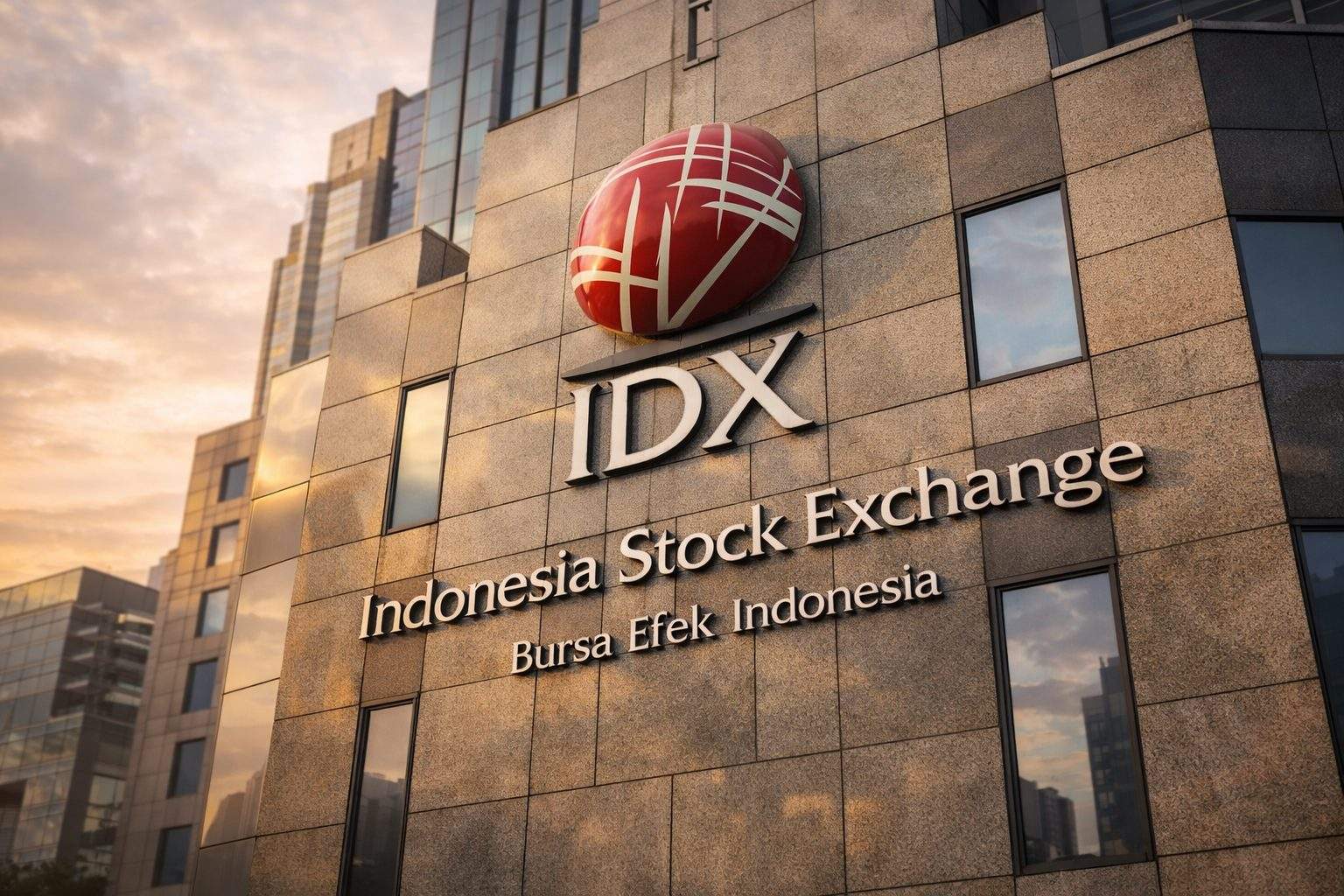
Fresh selling hit Indonesia’s stock market by the end of last week, as the Indonesia Stock Exchange reported equities finished March 2-6 in the red. Market capitalization dropped 7.85% to 13,627 trillion rupiah ($810 million). The Jakarta benchmark is already down 7.5% for the year, ranking among Asia’s laggards. IDX
This isn’t just a blip anymore. The selloff has investors factoring in a second downgrade to Indonesia’s sovereign outlook this year, jitters over President Prabowo Subianto’s fiscal plans, and the specter of an MSCI downgrade if transparency lapses aren’t addressed. Reuters
On March 4, Fitch cut Indonesia’s credit outlook to negative from stable, pointing to greater policy uncertainty and eroding confidence in government actions. Moody’s made a similar call last month. Back in January, MSCI put Indonesian equities on hold, pausing changes to its stock listings and flagging that the market might drop to frontier status as soon as May if issues around ownership and trading transparency aren’t addressed. Reuters
Flows are reflecting the strain. As of March 5, foreign investors had pulled a net $415 million from Indonesian stocks, IDX figures show, cited by Reuters. Reuters also noted that the exchange lost about $120 billion in market cap following MSCI’s January warning. IDX put foreign net selling for 2026 at 7.29 trillion rupiah. Reuters
Finance Minister Purbaya Yudhi Sadewa is urging calm, insisting Indonesia won’t let its budget deficit breach the 3% of GDP cap—even with Middle East-driven oil gains. Still, he flagged that if oil holds at $90-$92 a barrel, the deficit could hit 3.6% unless spending gets trimmed. The leeway, in his words, is minimal. Reuters
Analysts aren’t giving an enthusiastic endorsement. Trinh Nguyen, senior economist for emerging Asia at Natixis, put it bluntly: Purbaya faces a tougher task than his predecessor Sri Mulyani Indrawati when it comes to reassuring investors. On rates, DBS economist Radhika Rao flagged the rupiah’s slide as a major obstacle—Bank Indonesia is unlikely to cut in the first half, chopping out a potential prop for equities. Reuters
Market officials and the regulator are rolling out a fix: at least 15% of each company’s shares must float freely. The Financial Services Authority estimates that as much as 75% of listed names could hit that mark in the first year, part of a larger push to address MSCI’s concerns. According to Reuters, compliance from low-float companies might unlock more than $11 billion in shares for trading. Reuters
Some of the exchange’s major players could feel the impact. Barito Renewables Energy, the biggest by market cap according to Reuters, is among those set for a substantial share release if the rule goes through. In January, Goldman Sachs shifted Indonesian stocks to “underweight” as the spotlight on the market grew. Reuters
Even so, the outlook remains murky. A more stable rupiah, stronger policy cues out of Jakarta, or faster movement on free-float reforms might dial back the selling pressure. On the flip side, if oil prices stay elevated, foreign money keeps leaving, and MSCI moves ahead with a downgrade, Indonesia’s equities could be in for more turbulence before confidence finds its footing. Reuters