SAN JOSE, California, March 17, 2026, 06:10 PDT.
Late Monday, Intel announced its Xeon 6 chips will serve as host CPUs in Nvidia’s DGX Rubin NVL8, landing Intel in a fresh wave of AI server hardware revealed at Nvidia’s GTC event. The company called the host CPU “mission-critical.” Nvidia’s own specs detail each DGX Rubin NVL8 with two Xeon 6776P CPUs alongside eight Rubin GPUs. Newsroom
Timing’s key here. As AI spending pivots from building massive models to inference—letting trained models spit out answers on the fly—the CPU’s role grows. It’s the CPU handling data transfer, juggling tasks, keeping the GPUs fed. In a February interview, Creative Strategies analyst Ben Bajarin told Reuters this agent-like computing is showing up “more and more, and sometimes primarily, on the CPU.” Reuters
Intel is carving out a firmer spot in AI infrastructure, just as boundaries separating CPU and AI chip suppliers begin to fade. On Monday, Nvidia pegged the AI chip revenue pool at $1 trillion or more through 2027 and rolled out its Vera CPU. “The inference inflection has arrived,” CEO Jensen Huang declared. Last month, Intel CEO Lip-Bu Tan said the company’s sights are set on building GPUs for data centers. Reuters
Nvidia expects DGX Rubin NVL8 systems to ship in the second half of 2026, positioning them as a simpler option for customers sticking with standard server chips. On the other hand, the bigger Vera Rubin NVL72 racks feature Nvidia’s Vera CPUs—clear evidence there’s a boundary to just how far the partnership stretches. NVIDIA Blog
Despite the design win, Intel’s broader turnaround remains a hefty undertaking. Back in January, the company rolled out Panther Lake—its first mass-market chip produced with the 18A process, a step up in fabrication tech—following a wave of Lunar Lake laptops that mostly came out of TSMC. The 18A rollout is central to Intel’s effort to regain manufacturing clout and claw back market share from AMD in the PC segment. Reuters
Still, execution is far from guaranteed. Earlier this month, Reuters said Tan is reconsidering plans to open up 18A to more external customers, after previously keeping it mostly in-house at Intel. Yields remain soft, too — the percentage of chips coming off each wafer that make the grade is still dragging on margins. Reuters
Another wild card: demand. Intel back in January admitted it couldn’t keep up with AI-fueled appetite for server CPUs. Rising memory prices have only added to the pressure for PCs—HP flagged in February that the squeeze might drag down shipments well into next year. Reuters
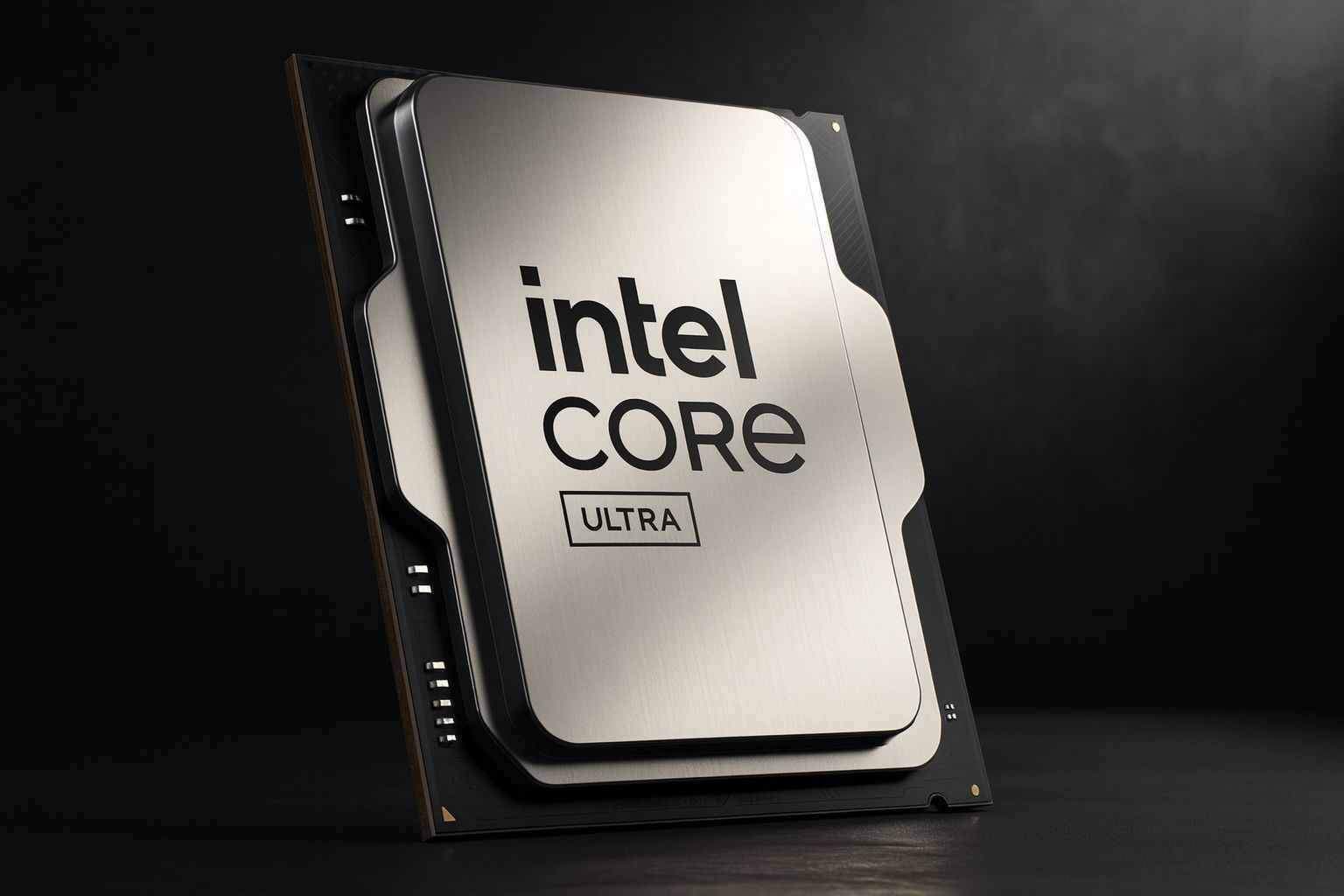
On Tuesday, Intel rolled out its Core Ultra 200HX Plus mobile chips, targeting gaming, creator, and workstation laptops. Machines from Alienware, Asus, Lenovo, and Razer are expected to hit shelves throughout the year, some as soon as Tuesday. Josh Newman, vice president with Intel’s client computing group, said these processors promise “meaningful, real-world performance gains.” Newsroom