
SANTA CLARA, California, April 24, 2026, 04:05 PDT
- Intel is looking for second-quarter revenue to land between $13.8 billion and $14.8 billion, a range that tops analyst forecasts, after posting stronger-than-expected first-quarter sales.
- Intel shares surged 28% to $85 before the bell, setting the stock up for a record-breaking open.
- Tesla is set to tap Intel’s 14A process, handing Intel Foundry its first marquee external client for the tech. Still, specifics around the project are scarce.
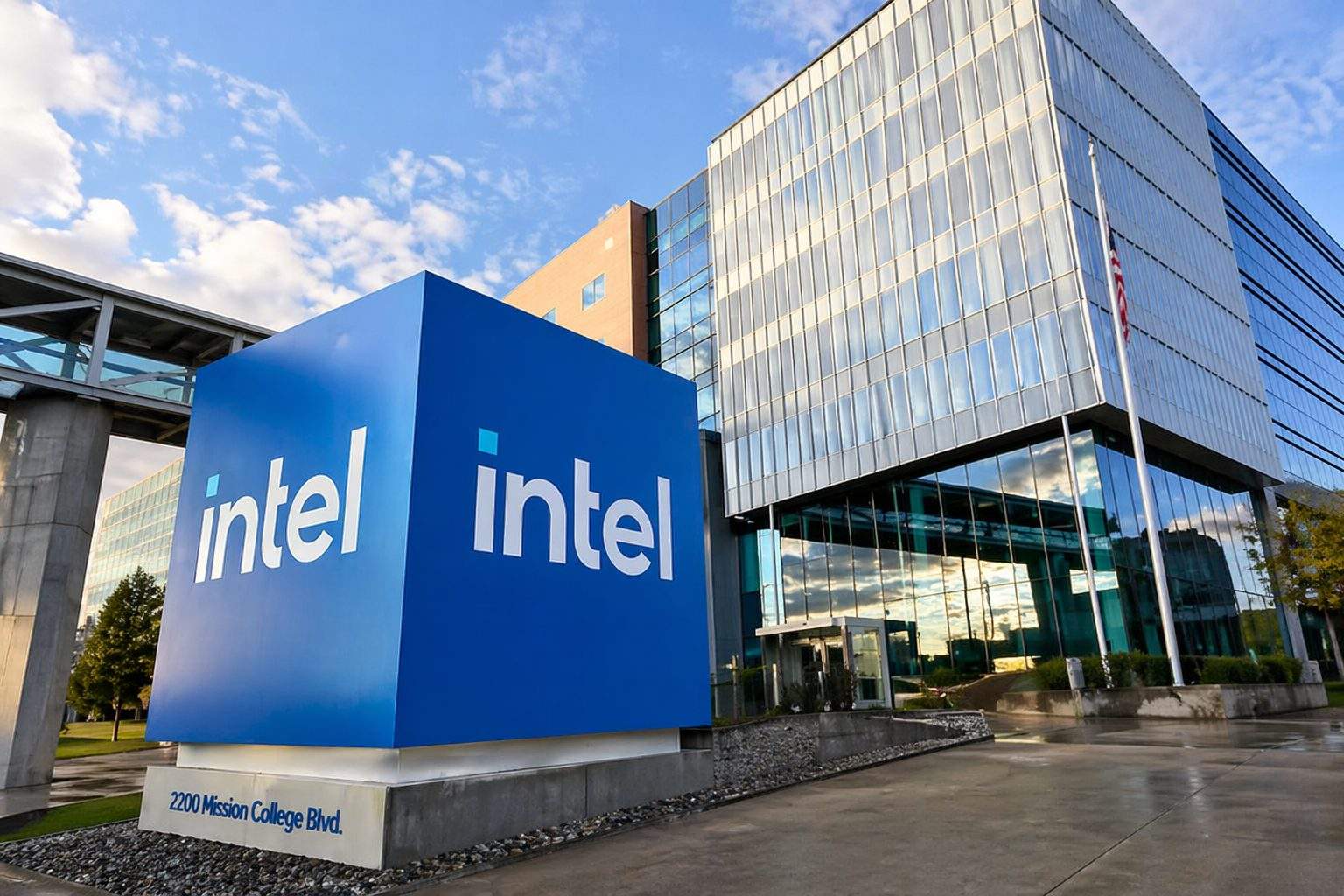
Intel shares looked poised for a record open Friday. The chipmaker had issued a forecast that beat expectations, pointing to stronger demand for its server processors as companies ramp up spending on artificial intelligence systems.
This shift is significant for Intel, which largely sat out the initial AI chip surge fueled by GPUs, the key hardware for training AI models. Now, as the focus turns to inference—the process where AI responds to user prompts—there’s fresh momentum for CPUs, the core chips powering servers and managing tasks.
Intel turned in $13.6 billion in revenue for the first quarter, a 7% bump year over year. The company disclosed a GAAP net loss of $3.7 billion, or 73 cents per share. Stripping out certain items, adjusted earnings landed at 29 cents per share, a non-GAAP figure.
The company is forecasting second-quarter revenue between $13.8 billion and $14.8 billion, and it’s guiding to adjusted earnings of 20 cents per share. That’s ahead of what analysts were looking for: LSEG data via Reuters showed revenue expectations at $13.07 billion and earnings at just 9 cents a share.
Intel CFO David Zinsner pointed to “unprecedented demand for silicon” this quarter, adding that supply execution improved. CEO Lip-Bu Tan echoed the supply-demand imbalance, noting Xeon server CPUs in particular are selling faster than the company can deliver. Intel Corporation
Intel’s data center and AI segment turned in $5.1 billion in revenue, climbing 22% over last year. The company’s client computing group—its core PC chips—generated $7.7 billion, barely edging up 1%. Intel Foundry posted $5.4 billion, marking a 16% gain.
Tan told analysts the CPU is “reasserting itself” in AI setups, while Xeon server demand is showing real momentum. He pointed out that customers are shifting back to deploying more server CPUs relative to accelerators, with the ratio tilting toward CPUs—despite GPUs still holding the key role in frontier AI. download.intel.com
There was a catch to the rebound. Intel CFO David Zinsner pointed out they’d managed to offload some finished-goods inventory, parts they didn’t expect to shift—mostly older or less advanced chips. “I am not sure we have that benefit in the second quarter,” he added. Reuters
The foundry angle picked up momentum after Tesla CEO Elon Musk said the company intends to tap Intel’s upcoming 14A process for its Terafab AI chip project in Austin, Texas. That’s a notable win for Intel as it pushes to challenge TSMC’s dominance in contract chipmaking. Still, Seaport Research Partners analyst Jay Goldberg cautioned that while the Tesla agreement isn’t on the same volume scale as Apple or Nvidia, “It can be real volumes.” Reuters
Intel Foundry’s expenses continue to weigh. Zinsner put external foundry revenue at $174 million for the quarter, but the segment posted an operating loss of $2.4 billion—driven in part by early-phase spending on Intel 18A and increased outlays on 14A as customers ran evaluations.
Here’s the catch: Intel has to keep its fabs humming, manage supply, and keep up demand, even as PC sales show signs of slipping. The company expects PC unit demand to drop by a low double-digit percentage in the second half, and flagged rising costs—memory, wafers, substrates—that could drag on demand further down the line.
Investors aren’t hesitating to pay a premium. Intel shares climbed roughly 80% this year before Friday’s anticipated surge, Reuters noted, with the stock changing hands at nearly 90 times 12-month forward earnings—higher than both AMD and Nvidia. So, the margin for error is thin if Intel misses its next ramp.
Related articles: NASDAQ:INTC