
New York, June 4, 2026, 10:04 EDT
Quantinuum raised $1.68 billion in its upsized U.S. IPO, pricing 28 million shares at $60 apiece, above the expected range. The Honeywell-backed quantum computing firm is set to start trading on Nasdaq on Thursday under the ticker QNT, giving investors direct access to the well-known name.
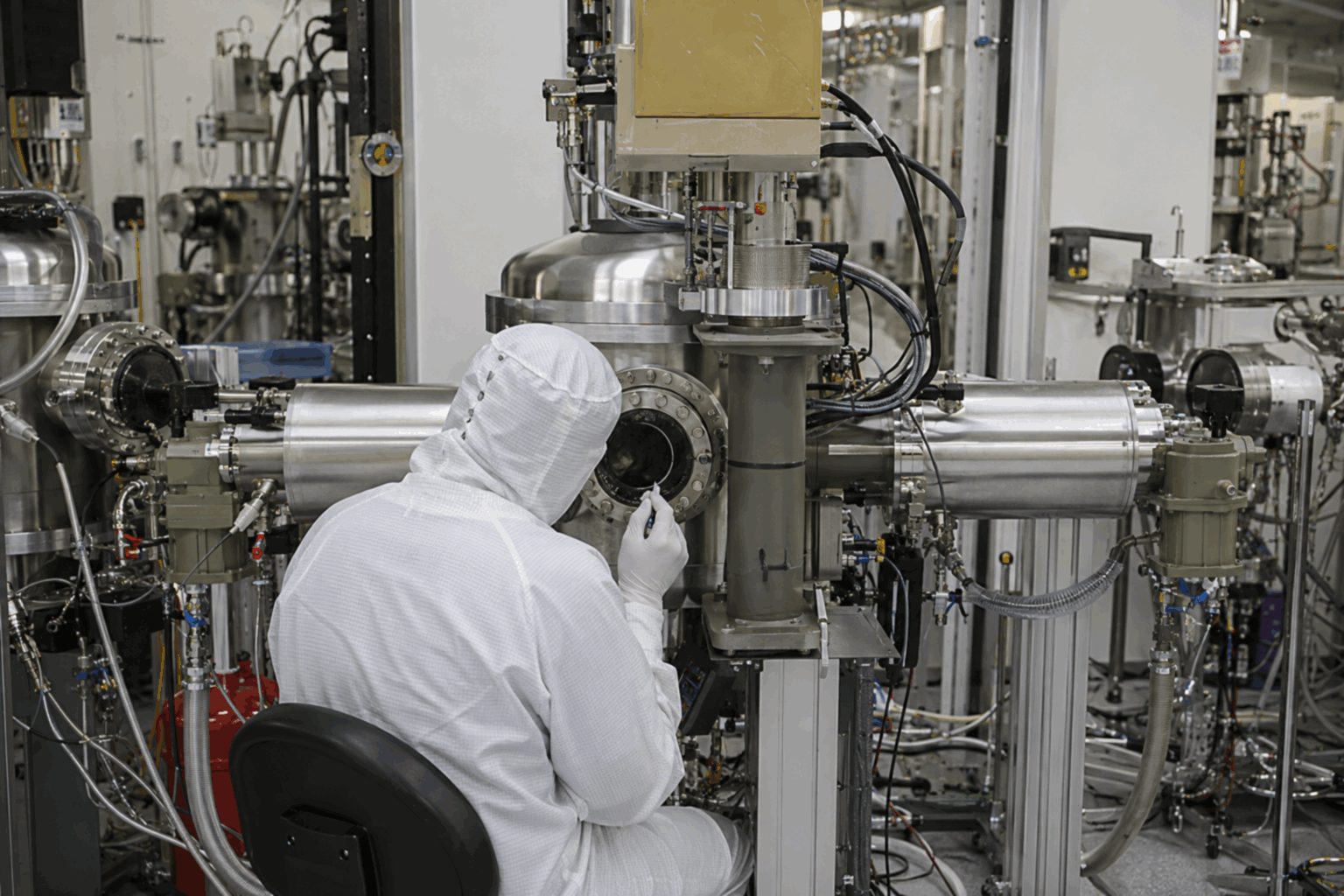
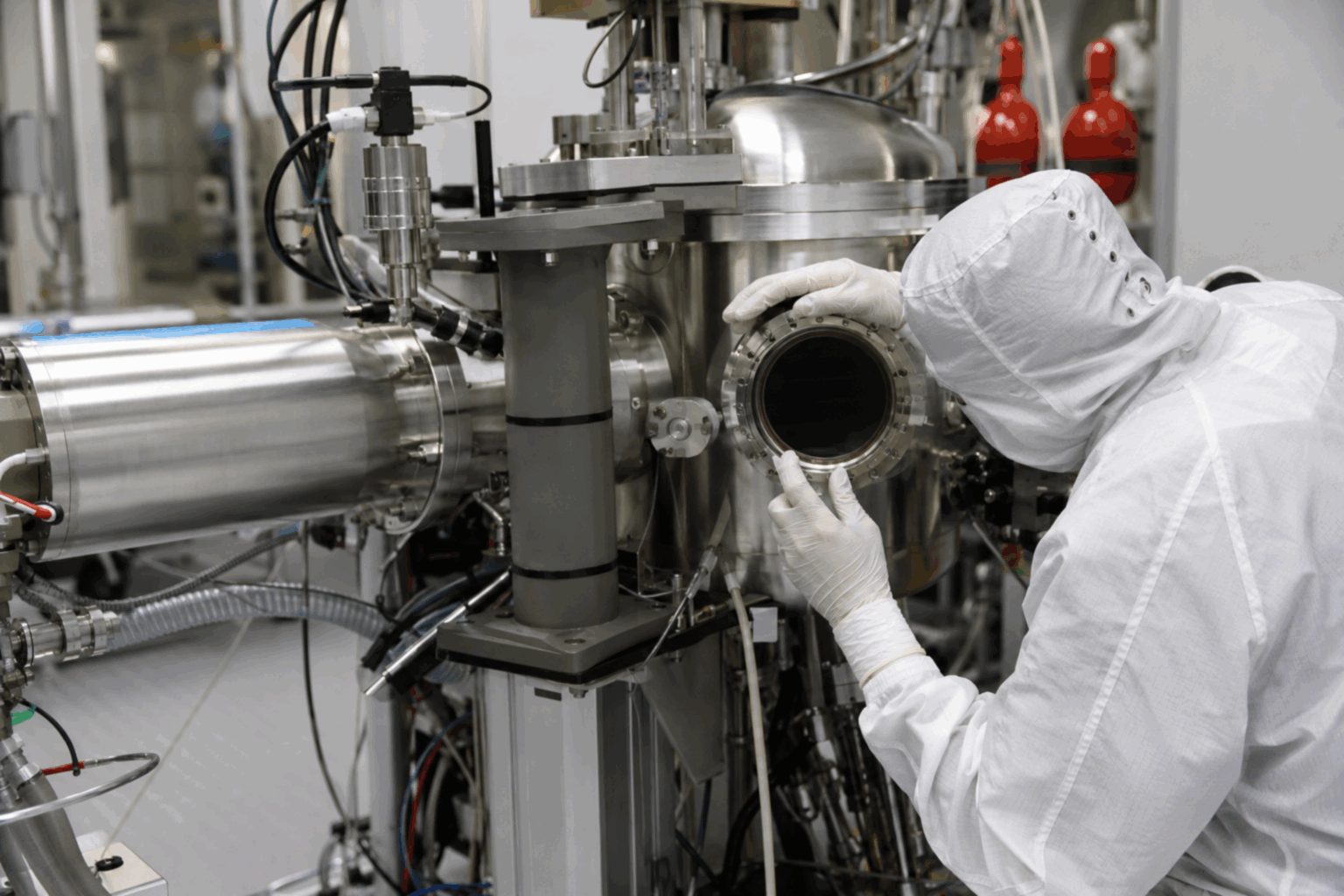
Quantum tech is getting new funding from both governments and investors, but wide market adoption is still distant. The U.S. Commerce Department last month said it has sent letters of intent for about $2 billion in proposed quantum incentives. That includes $100 million targeted for Quantinuum to help scale up fault-tolerant trapped-ion systems—machines built to correct enough errors to handle useful calculations on a steady basis.
Kat Liu at IPOX Schuster said the investment thesis is mostly about quantum computing’s “long-term potential” and where it might fit into future computing infrastructure. Liu also said U.S. backing is important, with the technology now seen as strategic for national security, AI, communications and advanced computing. Reuters
Quantinuum increased the size of its deal to 26.5 million shares at $53 to $55 earlier this week, but then priced the IPO above that range at $60. Underwriters also have a 30-day option for another 4.2 million shares. The offering should close June 5 if standard conditions are met. J.P. Morgan and Morgan Stanley are joint lead active bookrunners.
Barron’s called out Quantinuum’s decision for going with a conventional IPO instead of merging with a blank-check firm like other quantum companies. The publication called Quantinuum the first quantum pure-play—meaning a company mostly focused on quantum—to pick the IPO route.
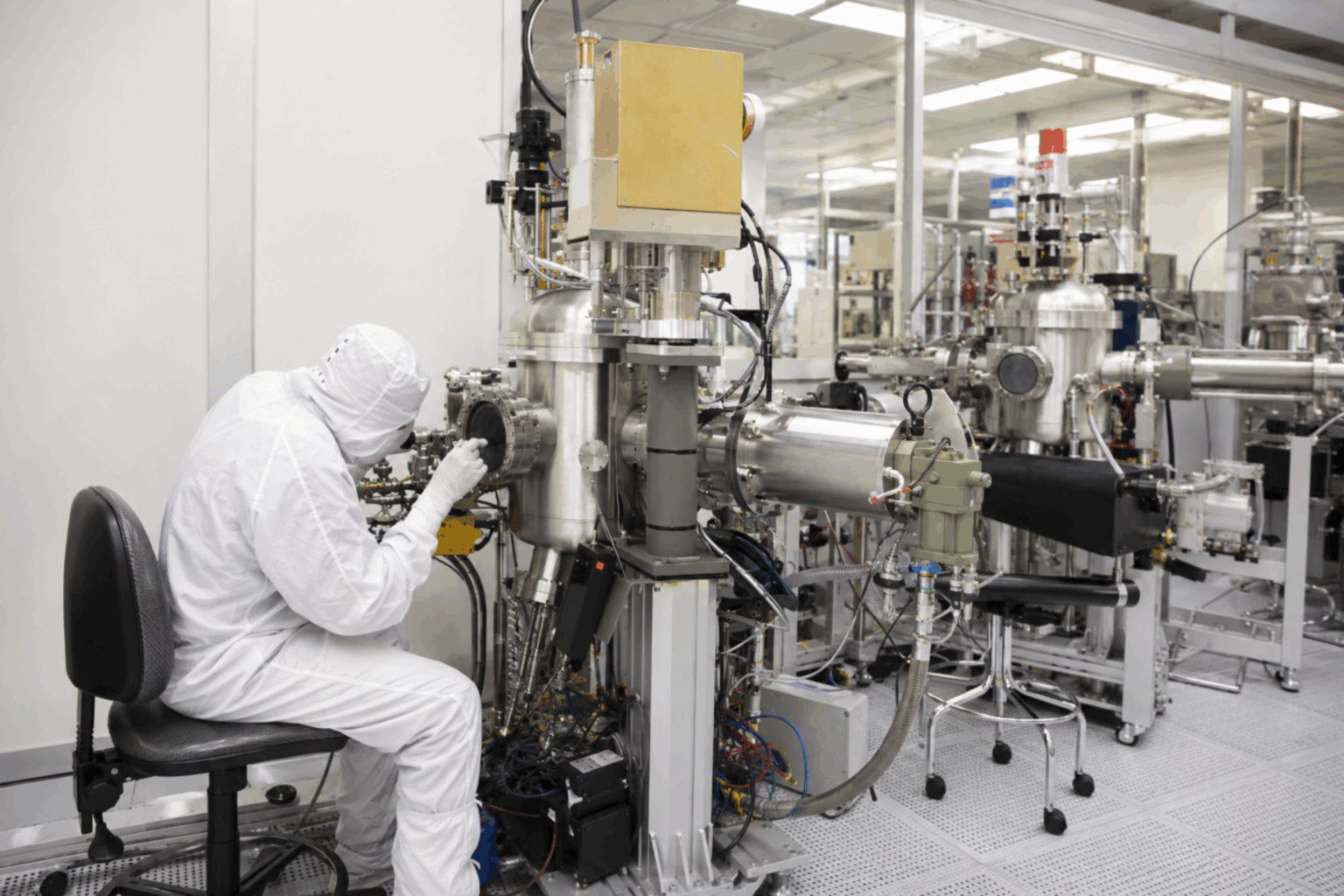
Quantinuum, set up in 2021 after Honeywell merged its quantum unit with Cambridge Quantum, builds hardware and software. The company’s hardware is based on trapped ion tech, using charged atoms to handle quantum calculations.
Quantinuum is pitching itself as a full-stack platform, offering hardware, software and developer tools for areas like materials, cybersecurity and quantum AI. “Quantum computing could unlock new possibilities” for science, industry and national priorities, Dr. Rajeeb Hazra, the company’s president and CEO, said in May. Quantinuum
Quantum stocks already have strong interest before the debut. Reuters noted IonQ shares have climbed about 52% this year, putting its market value near $25.47 billion. The Commerce Department has also listed D-Wave for planned funding of $100 million. Ahead of Quantinuum’s IPO, Seeking Alpha pointed to SEALSQ in a quantum-stock screen. On Wednesday, SEALSQ said it’s now a lead investor in Quobly’s 130 million euro round, alongside STMicroelectronics and others.
Quantinuum is still early on revenue. The company posted $30.9 million in 2025 sales and a net loss of $192.6 million. In the first quarter of 2026, revenue dropped to $5.2 million from $19.1 million a year before. Its net loss for the quarter grew to $136.6 million.
Customer concentration is a risk here. The company reported that Japan’s RIKEN made up 60% of 2025 revenue and 90% of first-quarter 2025 revenue, but dropped to just 7% in the first quarter of 2026. Edward Best, a partner at Willkie Farr & Gallagher, said investors should be watching if Quantinuum can expand its customer base and increase the size and number of commercial contracts.
Honeywell will keep its role after the IPO. Quantinuum’s filing said Honeywell and its units would end up with about half the voting power when trading starts, with Reuters putting Honeywell’s stake at about 48.1% after the deal closes.
The first day of trading is set to test investor patience in a sector known for big potential, heavy costs and unclear adoption schedules. If shares start strong, other quantum IPOs could get a lift. A weak open would raise more doubts that public markets want to pay up for tech years before real revenue arrives.

![UK Stock Market Today 24/08/2026 [UPDATE: 08:55 BST] [Gold Miners Cushion FTSE as AstraZeneca and Oil Majors Slide]](https://ts2.tech/wp-content/uploads/2026/08/UK-market-dashboard-2026-08-24-0855-480x384.jpg "UK Stock Market Today 24/08/2026 [UPDATE: 08:55 BST] [Gold Miners Cushion FTSE as AstraZeneca and Oil Majors Slide]")