
Santa Clara, April 18, 2026, 08:31 (PDT)
- Intel finished Friday at $68.50, having reached $70.32 earlier in the day. The company reports first-quarter results on April 23.
- Google, Terafab, and the latest fab developments in Ireland have all lent weight to the market’s turnaround argument.
- Target prices are up, though a cautious tone still dominates most analyst ratings.
Intel Corporation shot up to $70.32 Friday—its highest intraday mark since the dot-com peak—before settling at $68.50. Investors have latched onto momentum around the chipmaker’s AI and manufacturing turnaround. The spike put Intel just shy of its August 2000 all-time high, according to Bloomberg. “Near term catalysts” are in play, noted Gabelli Funds analyst Ryuta Makino. Ben Reitzes at Melius Research said the market is “validating” Intel’s foundry value “daily.” Advisor Perspectives
Timing is critical here. Intel drops its first-quarter numbers after the bell on April 23, turning the call into a real-time check on whether the stock’s sharp rally has outpaced what the company’s actually delivering.
This isn’t really about PCs—those are still subject to demand shifts. The real focus is on data-center chips powering AI. CPUs, or central processing units, serve as the main server chips, orchestrating various workloads. Then there’s the infrastructure processing unit, the IPU, which takes over networking, storage, and security jobs that would otherwise bog down the CPU.
Google put a customer face on the news. On April 9, Intel and Google announced plans to partner on several generations of Xeon CPUs and custom IPUs tailored for Google’s infrastructure. Intel CEO Lip-Bu Tan called for “balanced systems” to support AI, as Google’s Amin Vahdat pointed to the Xeon roadmap as a source of confidence. Newsroom
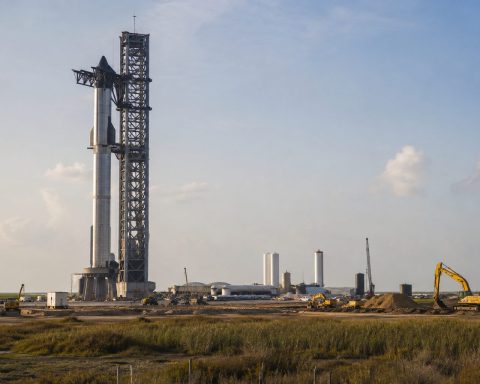
Traders have jumped on news of Elon Musk’s Terafab initiative. On April 7, Reuters said Intel plans to team up with SpaceX and Tesla in the proposed AI chip hub, producing processors meant for robotics and data centers. Tan described this move as a “step change” for logic, memory, and packaging manufacturing. Reuters
The story developed this week. On Friday, Reuters said Tesla is recruiting semiconductor engineers in Taiwan for its Terafab project, with positions focused on sub-7-nanometre and 2-nanometre-class processes. The company is also looking for talent in advanced packaging, which involves connecting or stacking chips to enhance performance.
Supplier chatter surfaced as well. According to Bloomberg News, cited by Reuters, Musk’s team reached out to Applied Materials, Tokyo Electron, and Lam Research, and also requested help from Samsung Electronics. Reuters could not immediately confirm that report. The plan, per the sources, is to kick off silicon manufacturing by 2029.
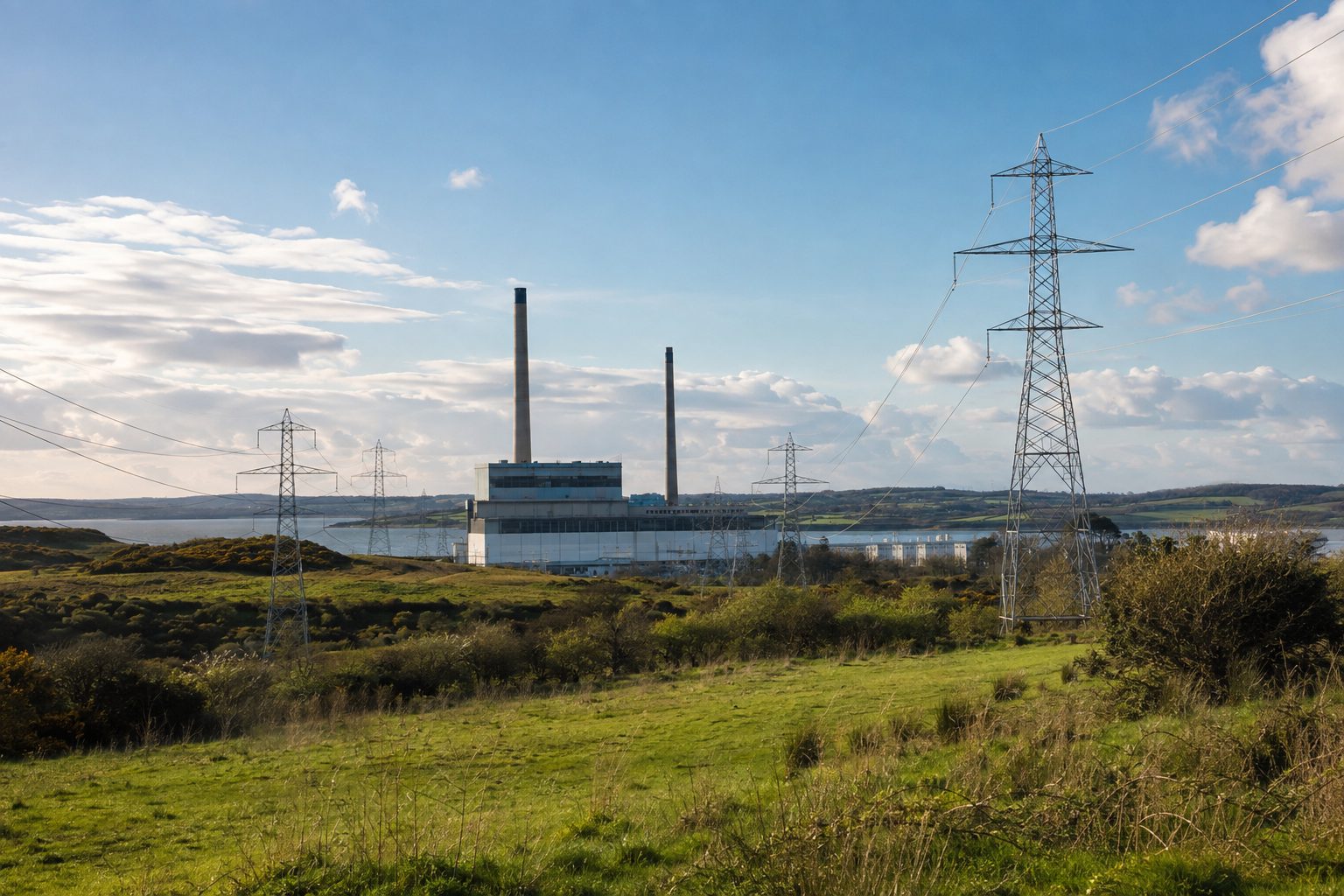
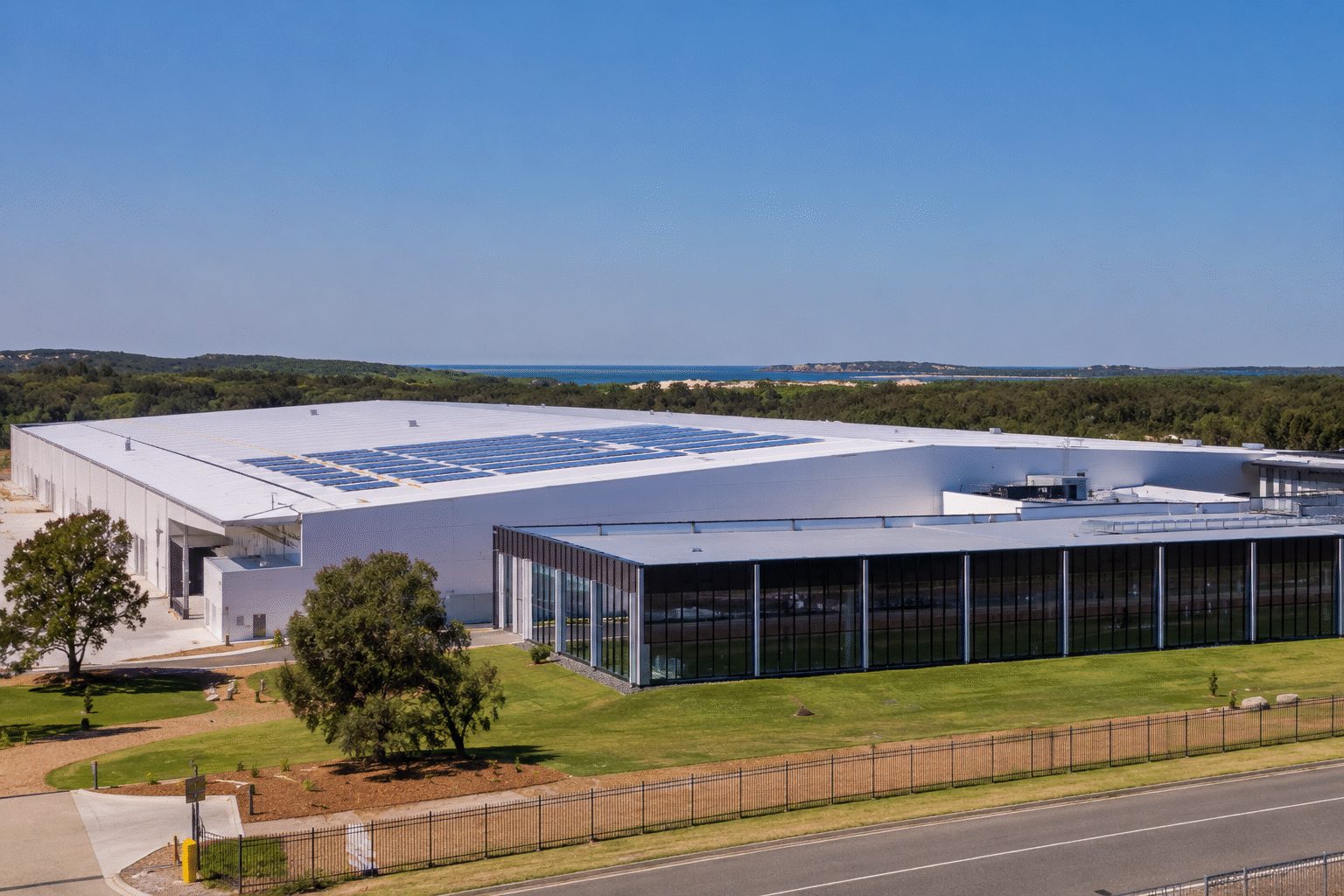
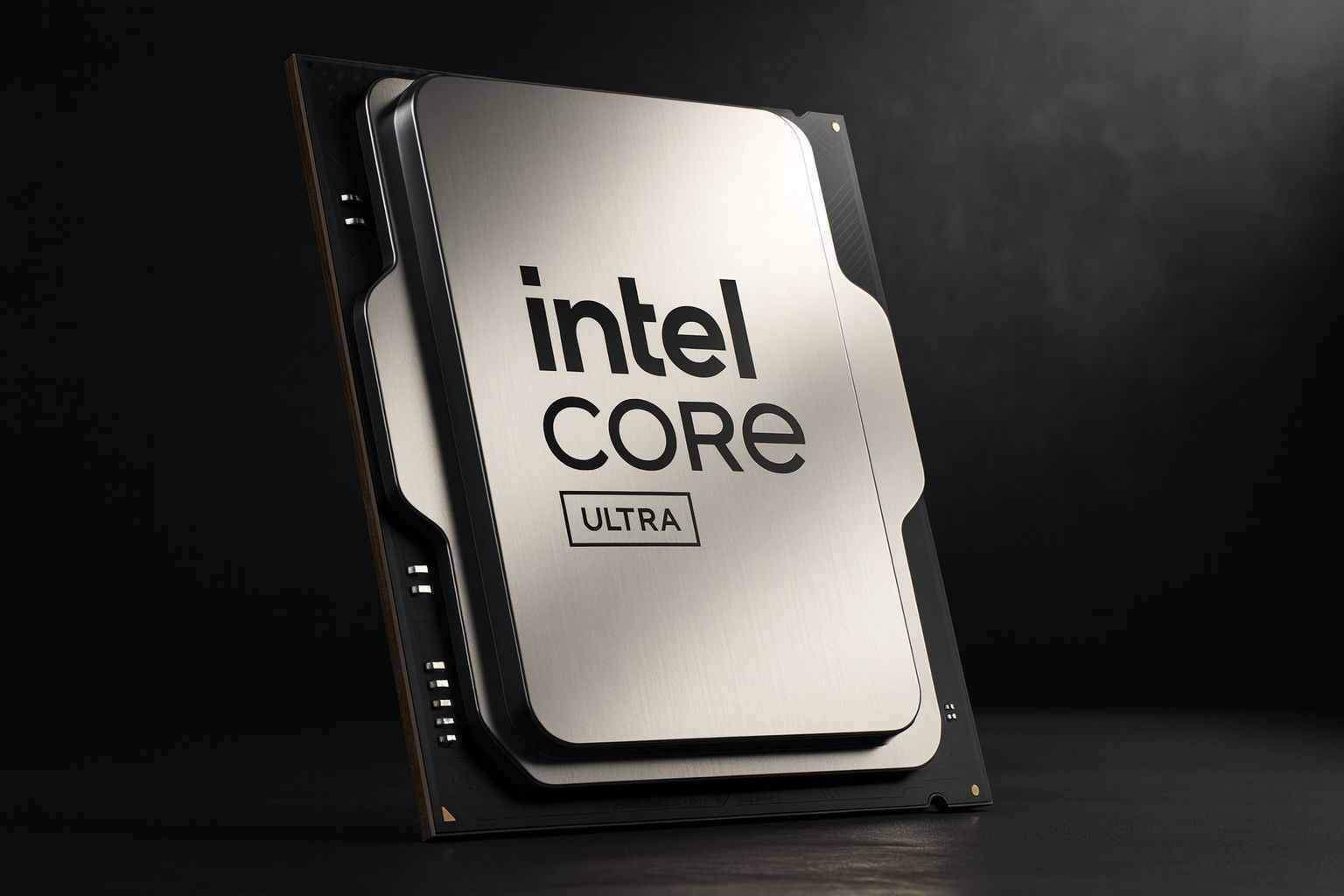
Intel is working to shore up the financial picture of its ongoing turnaround. On April 1, the company and Apollo announced Intel will repurchase Apollo’s 49% stake in their Fab 34 operation in Ireland for $14.2 billion. That deal will be paid for with a mix of cash and roughly $6.5 billion in fresh debt. Fab 34 is where Intel manufactures its Intel 4 and Intel 3 lines, including Core Ultra and Xeon 6.
Still, Wall Street hasn’t thrown its full weight behind Intel. Mizuho bumped its price target up to $59 from $48, sticking with a neutral call. Sanford C. Bernstein took its target all the way to $60 from $36, but also left its rating at market perform. According to MarketBeat, analysts are split: six say buy, 26 hold, six sell, with the average price target landing at $51.25.
The competitive landscape is brutal. Intel is scrambling to claw back share from AMD in server chips, as Nvidia’s accelerators continue to set the pace in AI hardware. TSMC still sets the standard on the manufacturing side—this week, executives said they wouldn’t take rivals lightly, but insisted there are “no shortcuts” in chipmaking. Building a new fab? That’s two to three years, TSMC said. Reuters
The runway into next week looks tight. Investors eye Xeon demand, margins, cash discipline—and want a firmer hint that foundry interest translates into actual revenue. Lacking that, Intel’s rally has little cushion for missteps.
Related articles: NASDAQ:INTC