New York, Feb 6, 2026, 10:52 ET — Regular session
- Intel shares rose about 4% in mid-morning trade, outpacing a broader chip rebound.
- A report flagged up to six-month lead times for some Intel server CPUs in China, with prices rising.
- Traders are weighing strong AI-driven demand against the risk that shortages cap shipments.
Intel shares climbed about 4% to $50.19 on Friday, tracking gains in Advanced Micro Devices and Nvidia as investors digested fresh signs that data-center demand is straining the supply chain. Reuters
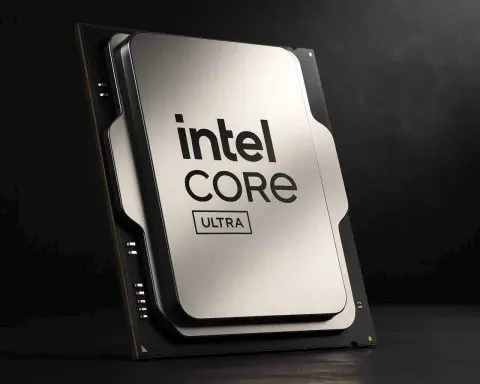
The move matters because Intel’s stock has been trading like a referendum on whether it can turn AI-era spending into steady revenue, not just headlines. Server CPUs — central processing units, the general-purpose “brains” in most servers — still sit next to AI accelerators in many racks, and tight supply usually means customers are buying.
A Reuters report said Intel has warned some customers in China of delivery lead times stretching as long as six months for certain server processors, with one source putting price increases at more than 10% “generally” for Intel’s server products in that market. China accounts for more than 20% of Intel’s overall revenue, the report said. Yahoo Finance
Intel told Reuters that rapid AI adoption had driven demand for “traditional compute,” adding that it expected “inventory at lowest level in Q1” and that it was pushing for supply improvement in the second quarter. AMD said it remained confident it can meet demand “globally,” pointing to supplier agreements including its partnership with Taiwan’s TSMC. MarketScreener
The supply story is landing as the Semiconductor Industry Association flagged a bigger backdrop: it expects global chip sales to hit $1 trillion in 2026 after $791.7 billion in 2025, up 25.6%. SIA’s John Neuffer told Reuters that orders across parts of the industry are “completely full,” even as executives debate how long the AI build-out lasts. Reuters
That bullish demand picture has not calmed markets much this week. Investors have been questioning whether the scale of AI spending is getting ahead of returns, after a rough stretch for tech shares and a broader risk-off tone. Reuters
For Intel, shortages cut both ways. Longer waits can support pricing, but they can also choke off shipments in the near term — and that is where the turnaround has stumbled before.
The downside is straightforward: if lead times stay long, big buyers can shift more workloads to AMD’s server chips, delay builds, or push harder into custom silicon. If the AI capex cycle cools suddenly, tight supply stops looking like “pricing power” and starts looking like missed sales.
Intel has said it expects supply to improve in the second quarter. Traders will be looking for any sign that lead times are shortening well before the next earnings checkpoint; Wall Street Horizon lists April 23 as an unconfirmed date for Intel’s next results. wallstreethorizon.com