
New York, Feb 6, 2026, 10:53 EST — Regular session
- Eli Lilly shares climbed about 3% following a nearly 8% drop the previous day
- FDA chief warns of crackdown on widely sold “non-approved” copycat drugs
- Attention turns to Lilly’s 2026 outlook and the April FDA decision on its oral obesity drug
Eli Lilly and Company (LLY) shares climbed about 3% on Friday, recovering part of Thursday’s steep 8% drop. The rebound came after the U.S. Food and Drug Administration indicated it would crack down on illegal copycat weight-loss drugs. The stock traded up 3% at $1,051.74. FDA Commissioner Marty Makary emphasized the agency cannot vouch for the “quality, safety or effectiveness” of these non-approved medicines. Reuters
The swing is crucial since Lilly’s value hinges on strong demand for its obesity and diabetes drugs. Investors want to gauge just how quickly lower-cost alternatives might drive prices down. Headlines are rolling in rapidly, and the stock has shifted accordingly.
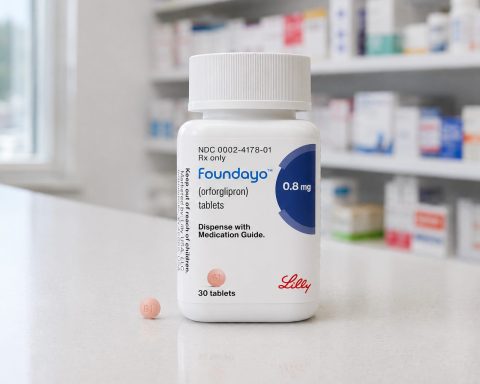
Lilly on Wednesday projected 2026 sales between $80 billion and $83 billion, with adjusted earnings of $33.50 to $35 per share—both figures beating analyst forecasts after a strong Q4 showing. CFO Lucas Montarce warned that pricing pressures “are expected to be a drag” on growth as the company awaits an FDA decision, due in April, on its oral obesity drug orforglipron. Reuters
In its earnings release, Lilly reported a 43% jump in fourth-quarter revenue, reaching $19.3 billion. Adjusted earnings rose to $7.54 per share, driven by stronger sales of Mounjaro and Zepbound. CEO David Ricks called 2025 “an important year for Lilly,” highlighting the company’s focus on new product launches and expanding access. PR Newswire
Thursday’s selloff came after Hims & Hers Health announced a $49 compounded alternative to Novo Nordisk’s new Wegovy weight-loss pill—a steep discount that rattled investors worried about branded pricing in the cash-pay market. Novo Nordisk responded, saying it’s weighing legal action. The news sent shares of both Novo and Lilly tumbling.
Some investors think the market might be overplaying every twist in the obesity-drug battle. “Lilly has continued to show that they’re the dominant player in the space,” said David Wagner, portfolio manager at Aptus Capital Advisors. Reuters
Novo’s U.S.-listed shares jumped roughly 7.7% on Friday, while Hims dropped about 6%, highlighting the rapid shift in sentiment around the weight-loss sector. Lilly and Novo hold the lion’s share of the GLP-1 drug market — a class targeting hormones for diabetes and weight management — but pricing and access have become the central points of contention.
Insurance coverage is another flashpoint. Starting April 1, CVS Health’s Caremark pharmacy benefit unit plans to swap out Amgen’s Prolia and Lilly’s Forteo on certain preferred drug lists, replacing them with cheaper biosimilars and generics. The company claims this will slash costs by over 50% per prescription. It’s worth noting biosimilars are close copies of biotech drugs but not exact duplicates.
The pricing battle is nowhere near finished. Should compounded pills remain widespread, or if insurers and pharmacy middlemen intensify their push for lower-cost options, Lilly’s margins might face even greater pressure than investors have priced in so far.
Investors are on edge for clear FDA moves regarding copycats, alongside new clues on timing and pricing ahead of the April orforglipron verdict. Following volatile trading this week, traders are gauging if Friday’s rebound marks a turnaround or simply a breather before the next news breaks.
Related articles: NYSE:LLY