New York, February 28, 2026, 05:44 EST — The market is shut for the day.
- After the weekend strikes, oil and inflation have taken center stage again. Freshly hot price data has already chipped away at rate-cut hopes.
- Energy managed to stay firm through the close Friday. Airlines, though, dropped sharply while crude pushed higher.
- Next up: oil and stock futures kick back into gear, followed by the return of U.S. cash trading on Monday.
Israel announced a “pre-emptive” strike against Iran on Saturday, while the New York Times said U.S. forces were also carrying out attacks, leaving Wall Street unable to react until markets reopen. Reuters reported blasts in Tehran and noted that Israel closed its airspace to civilian traffic. Reuters
Heading into the strikes, the focus was squarely on crude. Brent finished Friday at $72.48 a barrel, while U.S. West Texas Intermediate closed at $67.02—both benchmarks gaining almost 3% for the session. Traders had already started baking in the potential for supply disruptions near the Strait of Hormuz, which handles roughly one-fifth of global oil shipments. “Uncertainty prevails, fear is pushing prices higher today,” said Tamas Varga at PVM. Reuters
Stocks slid Friday, with the Dow losing 521.28 points, or 1.05%. The S&P 500 dropped 0.43%, while the Nasdaq shed 0.92%. Investors grappled with geopolitical tensions and frustration that inflation is proving more persistent than hoped. “Classic risk-off,” is how Ryan Detrick, chief market strategist at Carson Group, described the session — a rotation out of growth shares into safer ground. Markets are now pricing in a 94.1% probability the Federal Reserve will keep rates steady in March, CME’s FedWatch tool showed. Reuters
Oil traders are watching more than just conflict headlines. According to two sources speaking to Reuters, OPEC+—the coalition that includes Russia—could weigh a bigger output hike than initially expected when it meets this Sunday. Saudi Arabia and the UAE, both major producers, had already ramped up exports ahead of the strike. Reuters
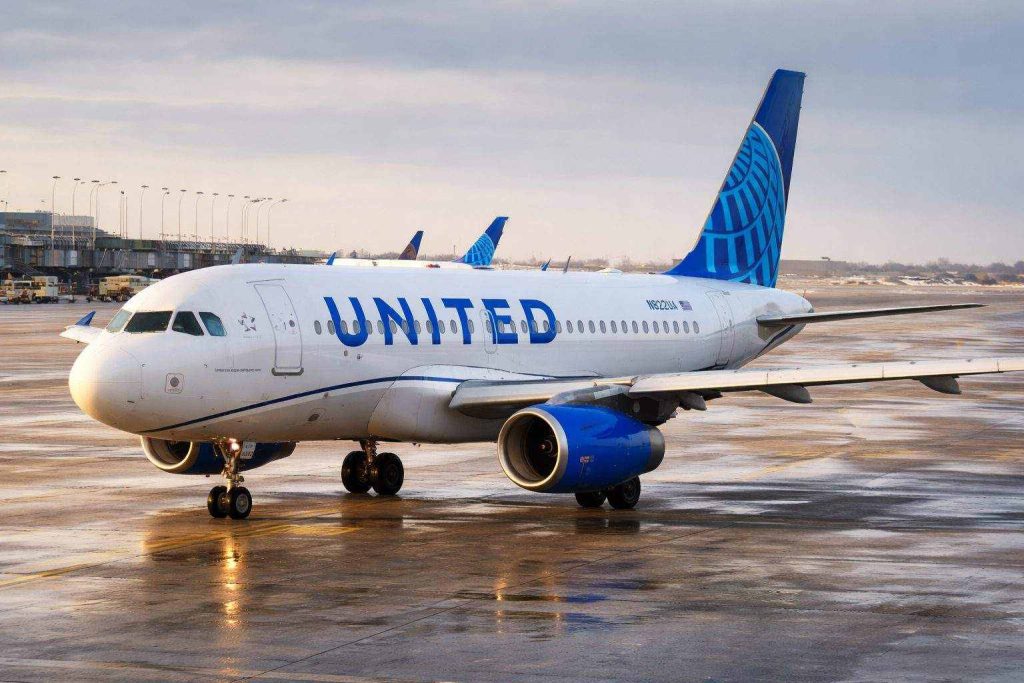
Friday saw airlines feeling the pressure early, with higher fuel expenses hammering stocks without delay. United Airlines tumbled 8.4%. Delta Air Lines wasn’t far behind, down 6.6%. American Airlines retreated 6.2%, and Southwest Airlines shed 3.3%, according to Barron’s. Barron’s
The Iran shock rippled through an uneasy market, with Big Tech and AI spending already under the microscope. Nvidia slid as traders processed its earnings numbers. Block surged, after it slashed almost half its staff and doubled down on AI tools. Netflix shares picked up, dropping its interest in Warner Bros. Discovery, according to the AP. AP News
Oil market forecasts keep getting more scattered. Barclays is flagging a possible jump in Brent to $80 a barrel—if the U.S. and Iran end up disrupting supply. But the bank also warns that crude prices could slip by a few dollars just as quickly, should tensions ease and production stays steady. Reuters
Stocks face a clear risk if oil prices keep climbing: a sustained jump in crude could push inflation higher, prompting the Fed to maintain tight policy, which would pressure both spending and corporate margins. On the flip side, if the oil shock turns out brief and doesn’t disrupt supply, markets could move past it quickly, shifting the focus right back to earnings and rates.
Markets face another headline risk as traders keep an ear out for a political cue. President Donald Trump was set to speak on the strikes Saturday morning, according to Axios—a development that could sway trading as investors react to each move in the U.S.-Iran standoff. Investing.com
All eyes now turn to Sunday’s OPEC+ decision, with oil likely to make its first move as futures reopen. U.S. stocks won’t see fresh cash trading until Monday, March 2.