
Dubai, Feb 28, 2026, 14:52 GST — Market closed
Saturday’s U.S. and Israeli strikes on Iran snapped weeks of uneasy diplomacy, pulling markets back into the conflict investors had been warily watching. With exchanges closed for now, travel and transport stocks—often hit hard by jet fuel costs and unexpected delays—look poised for a rocky Monday open.
Crude sits at the center of it all. Iran ranks as OPEC’s third-biggest producer, running roughly 3.3 million barrels of crude a day, and adds another 1.3 million bpd in condensates and other liquids. That’s around 4.5% of the world’s oil. Any sign of disruption hits costs immediately for airlines, shipping firms, and other major fuel buyers.
Airlines began scrapping and diverting flights throughout the Middle East on Saturday, leaving Iranian and Iraqi airspace deserted on Flightradar24 maps. Lufthansa and Wizz Air both said they would steer clear of certain routes and regions at least through March 7, illustrating how fast the conflict is disrupting operations and pushing up expenses.
Shares in Europe’s major airlines were already under pressure before the latest flare-up: Lufthansa slipped 3.6% on Friday, shares of Air France-KLM dropped 6.4%, IAG shed 7.4%, and Wizz Air tumbled 8.7%. Oil prices surged and risk appetite dried up, setting the tone for how investors will react if crude jumps again.
Ryanair shares dropped 2.4% on Friday, with rising oil prices dragging down the sector, according to the Irish Times. IAG slipped too, despite topping yearly profit forecasts—a clear signal that big-picture worries can easily eclipse upbeat results.
Oil caught a strong bid to close out the week. Brent finished Friday at $72.48 a barrel, up $1.73, or 2.45%. U.S. WTI jumped $1.81, or 2.78%, settling at $67.02. “Uncertainty prevails, fear is pushing prices higher,” said PVM’s Tamas Varga. The U.S. and Iran have agreed to keep indirect negotiations going, with technical talks planned next week in Vienna. Still, Price Futures Group’s Phil Flynn noted traders are impatient for an “endgame.” Reuters
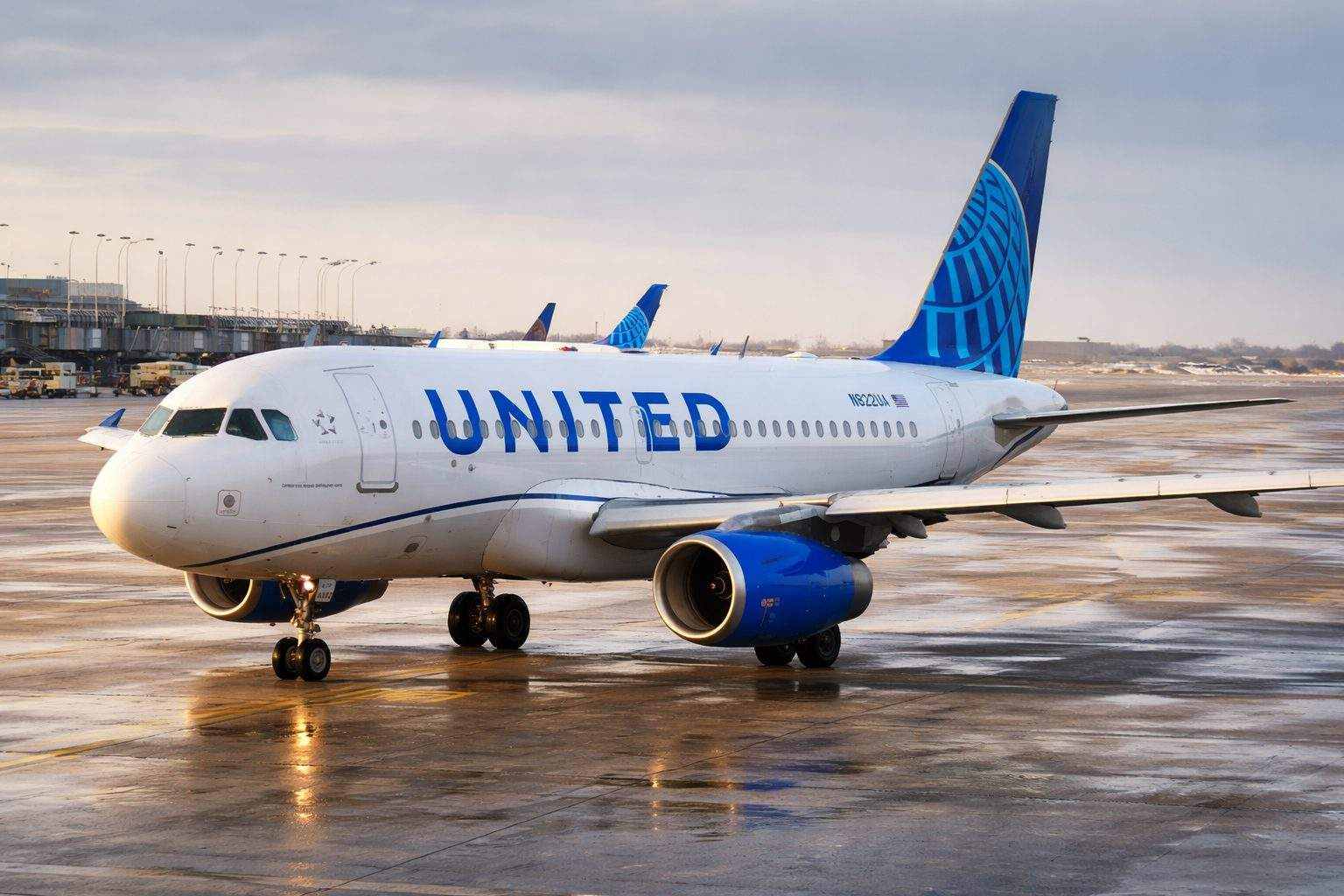
United Airlines tumbled 8.4% in U.S. trading Friday, Delta was down 6.6%, American Airlines shed 6.2%, and Southwest slipped 3.3%. The U.S. Global Jets ETF tracked the group lower, off 4%, according to Barron’s. Analyst Daniel McKenzie at Seaport Research Partners cautioned the latest escalation could “erode” 2026 earnings expectations—an old worry for the sector when oil spikes and routes turn shaky. Barron’s
Freight markets aren’t immune to pressure: chartering a VLCC—those massive crude tankers—on the Middle East-China route just topped $200,000 a day on Thursday. Shipping industry group BIMCO warned that any trouble in the Strait of Hormuz could threaten around 30% of the world’s seaborne oil flows.
Economists and analysts polled by Reuters this month bumped up their 2026 Brent forecast to $63.85 a barrel, with WTI seen at $60.38. But the survey highlights a $4 to $10 “geopolitical risk premium” now baked into prices—traders’ hedge against possible supply hits. Julius Baer’s Norbert Rucker sees the Iran-driven jitters as short-lived, citing a likely oil glut later this year. Reuters
Supply policy takes the spotlight. OPEC+ is set to meet Sunday at 1100 GMT, with the group possibly eyeing a bigger output hike for April than the previously discussed 137,000 barrels per day, according to two sources familiar with the negotiations. The sources also said Saudi Arabia and the UAE had already boosted exports, bracing for potential fallout from the Iran strike.
The bearish outcome isn’t set in stone. Barclays figures Brent may slide by $3 to $5 a barrel if there’s no hit to supply and Iran’s reaction ends up weaker than its words. But the bank also flagged that a supply loss of just 1 million bpd could quickly upend the “supply glut” narrative and send Brent to $80. Reuters
Politics, not earnings, will steer the next move: President Donald Trump plans a Saturday morning address, Axios said, quoting a U.S. official, with U.S. strikes in Iran ongoing. Traders are keyed in on what Trump says about how long and how far this could go, before turning to the OPEC+ decision Sunday and bracing for Monday, when oil and airline risk gets repriced.
Related articles: NASDAQ:UAL