
NEW YORK, July 26, 2026, 10:05 EDT — Trading has ended for the day in U.S. markets.
- IREN ended Friday at $37.07, falling 8.7% on the day, but advanced 10.3% over the week.
- New deals totaling $2.8 billion pushed its AI cloud ARR goal past $4 billion for the year end, with approximately 85% already secured.
- Results from hyperscalers and the Federal Reserve’s July 28-29 meeting bring the next major challenges for the week.
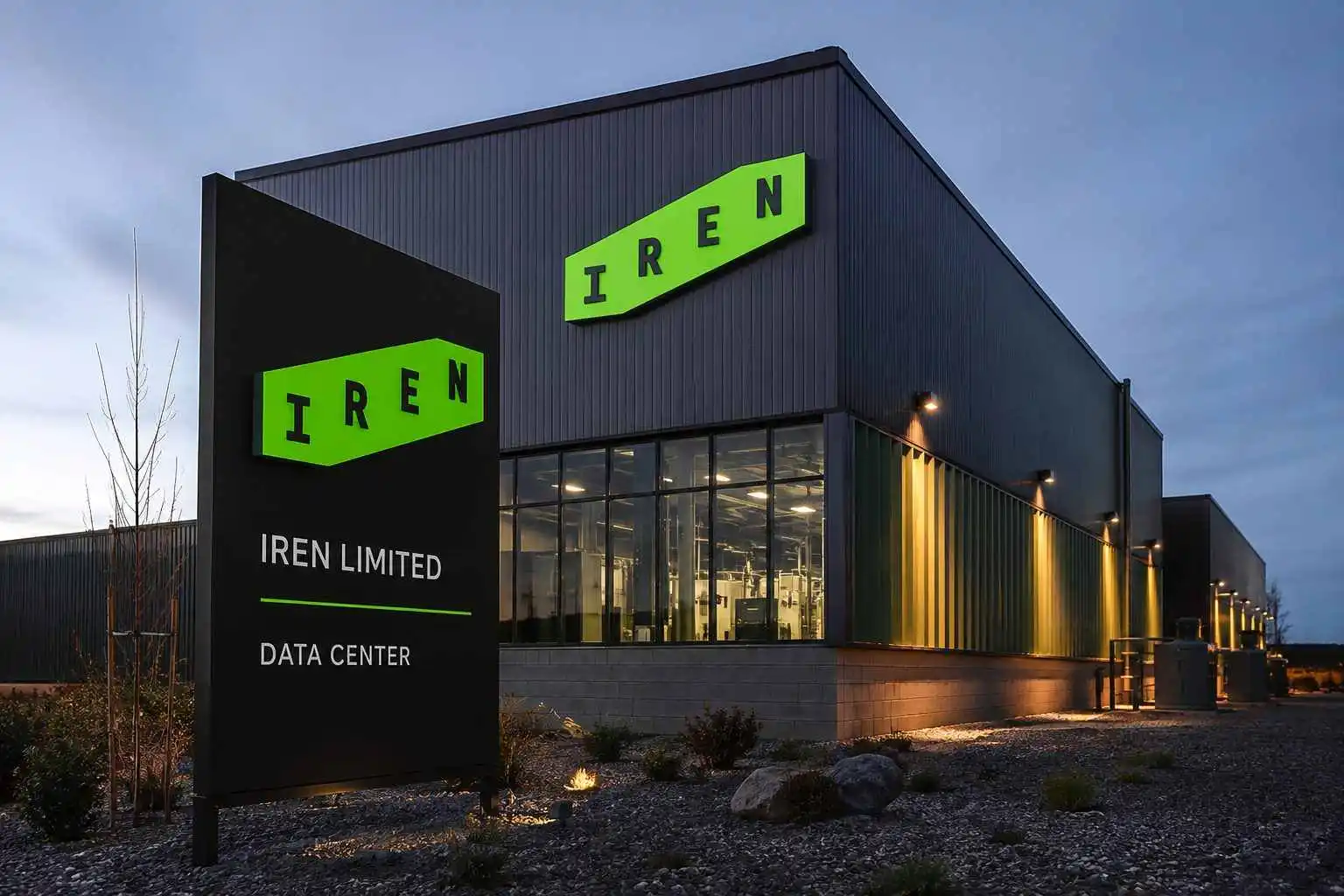
IREN Limited NASDAQ:IREN ended trading on Friday at $37.07, falling 8.65%. However, the stock remains up 10.3% since its close on July 17.
IREN finished roughly 12 percentage points above the Nasdaq, which declined 2% over the week.
The outcome is significant. Investors reduced their positions in AI infrastructure on Friday, yet IREN’s contract-fueled increase on Monday remained intact.
IREN surged 19.6% to $40.20 on Monday after securing $2.8 billion in new long-term cloud-service agreements with AI developers.
On Monday, the stock rose by $6.58 per share compared to the prior close. By Friday, $3.45 of that gain persisted. Closing price data indicates IREN held onto about 52% of the original rise.
Trading activity was also markedly different. Monday saw a volume of 93.3 million shares, compared to 34.6 million on Friday. The Friday total represented just 37% of Monday’s number.
| AI infrastructure company | Friday close | Friday move |
|---|---|---|
| IREN Limited NASDAQ:IREN | $37.07 | down 8.7% |
| Nebius Group NASDAQ:NBIS | $187.77 | down 14.9% |
| CoreWeave NASDAQ:CRWV | $71.88 | down 11.4% |
| Applied Digital NASDAQ:APLD | $27.19 | down 9.0% |
| Hut 8 NASDAQ:HUT | $109.99 | down 6.6% |
Friday’s moves were based on closing prices and reported daily variations.
IREN’s decline was smaller than Nebius and CoreWeave but greater than Hut 8, indicating a widespread sector de-risking instead of a move driven solely by company-specific factors.
The Nasdaq fell as concerns grew among investors about the returns on soaring AI investment. Peter Andersen, chief executive of Andersen Capital Management, stated: “The fear of missing out is becoming more like a fear of massive overbuilding.” Reuters
IREN’s agreements act as a stabilizing factor. Using the stated 85% coverage rate on the $4 billion target suggests contracts secure a minimum of $3.4 billion in annualized run-rate.
The figure does not represent revenue already booked. IREN describes ARR as a non-GAAP operating metric calculated from year-end GPU capacity, pricing, and annualized utilization. The metric also factors in commissioning, testing, and customer acceptance.
Funding conditions have become more favorable. Around 45% of the GPU capital expenditure connected to recent deals is covered by customer prepayments. The average duration of contracts across the portfolio is about four years.
Preliminary, unaudited: As of June 30, IREN’s cash and equivalents stood at approximately $7.6 billion, including $1.7 billion in restricted cash related to Microsoft financing.
Co-CEO Daniel Roberts said the company’s AI Cloud platform, built vertically integrated, is expanding rapidly. He pointed to the delivery of 480 megawatts in 2026 and a goal of reaching 1.2 gigawatts in 2027.
Large AI buyers are up next for market scrutiny. Microsoft NASDAQ:MSFT, Amazon.com NASDAQ:AMZN, and Meta Platforms NASDAQ:META are set to announce results this week, drawing investor attention to capital expenditures and profitability. Microsoft is listed as an IREN customer.
The Federal Reserve is scheduled to hold a meeting on July 28-29. LSEG data referenced by Reuters showed futures late Friday were pricing in a 38% probability of a quarter-point rate hike. An increase in rates would raise the valuation threshold for infrastructure stocks with rapid growth.
Risks: IREN’s objective relies on prompt data-center completion and GPU uptake. Any delays, softer pricing, or reduced utilization could stop the contracted run-rate from being realized as revenue.
Confirmed demand drove performance this week. IREN’s next step is to turn those agreements into active capacity and revenue-producing sales.