
New York, May 16, 2026, 05:15 EDT
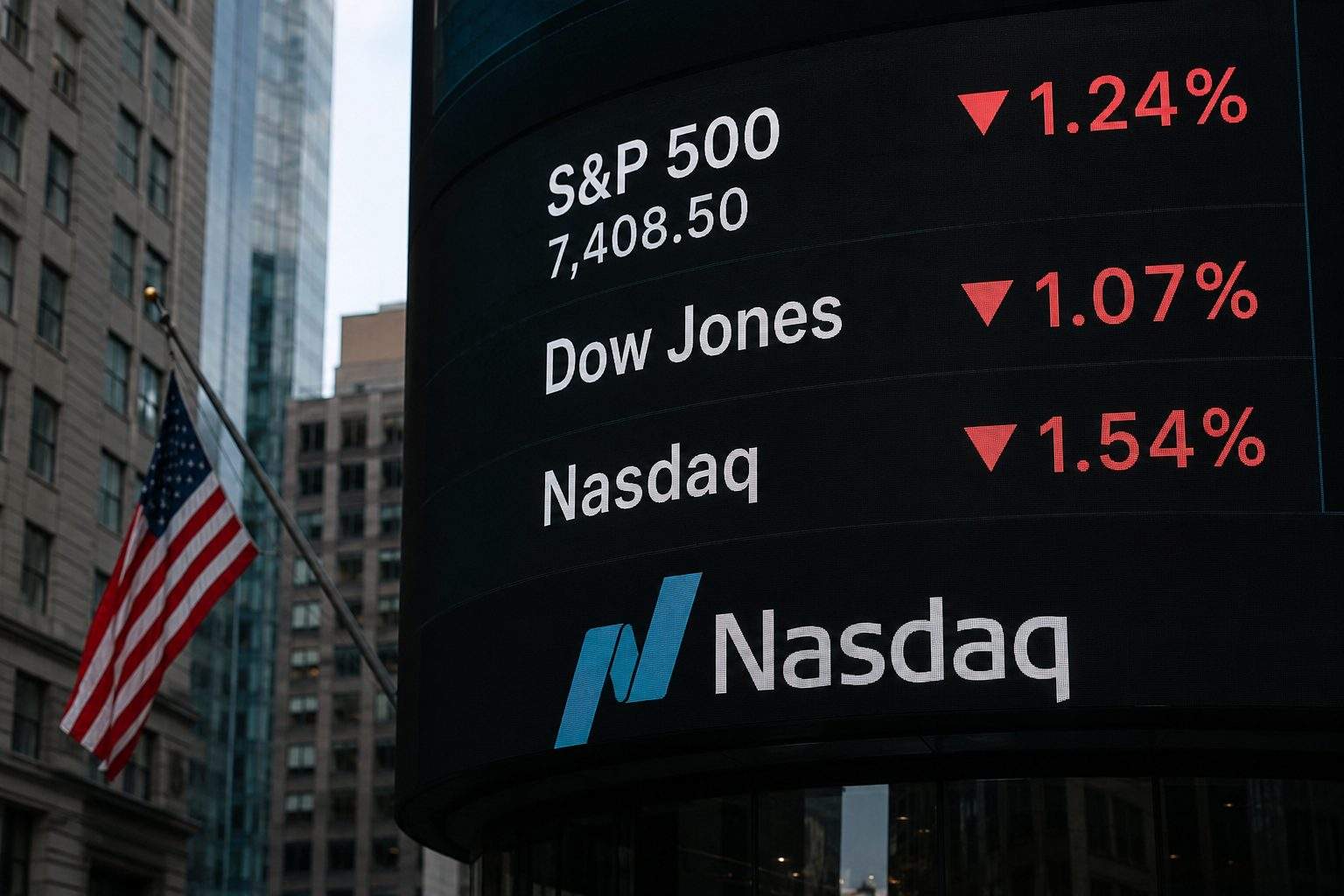
U.S. stocks fell Friday, ending their record run as inflation edged back into view for Wall Street. The S&P 500 slipped 1.24% to 7,408.50. The Dow lost 1.07%. The Nasdaq gave up 1.54%. Chip stocks were weaker, and the number of declining stocks outpaced advancers as breadth turned negative. “The market had gotten way ahead of itself” on the AI trade, said Kenny Polcari, chief market strategist at Slatestone Wealth. Reuters
Bond yields surged, with the 10-year Treasury reaching 4.599%, back to where it was in May 2025. The 30-year yield rose to 5.131%. Oil prices climbed over 3% as Strait of Hormuz concerns returned. Stocks struggled against higher yields, particularly pricey tech shares, since bonds look safer now. “Bond investors are starting to price in the risk that a quick energy-price reversal isn’t going to happen,” said Mike Sanders, head of fixed income at Madison Investments. Reuters
S&P 500 stayed above correction territory Friday. A correction is a drop of 10% or more from its previous high. That would put the index near 6,667 and cut gains made since spring. If it gets there, investors may start watching earnings more than hopes for lower rates.
Inflation figures landed mostly as expected. Consumer prices rose 3.8% in the year to April, posting the quickest annual increase since May 2023. Much of the monthly bump came from higher energy costs, which made up over 40% of the gain. Producer prices were up 1.4% in April and surged 6.0% year-on-year, the highest yearly leap since December 2022.
Markets are still betting the Fed stays on hold for now. Polymarket odds put a 98% chance of no change at the June meeting. Polymarket also prices in 94% odds against a move in July, and 81% for September. Kalshi shows its June combo market at 64% for no change with no dissents.
Stock bulls aren’t getting the setup they want. Investors want the Fed to keep rates on hold, but inflation is still running hot. Boston Fed President Susan Collins said this week that more rate hikes aren’t her main forecast, though she “could envision a scenario” where the Fed might have to tighten again to reach its 2% inflation target. Reuters
Profits are the big thing holding off a correction. Reuters, citing LSEG data, said S&P 500 first-quarter earnings jumped 28.2% from last year, and 2026 full-year earnings are expected to rise 22.6%. Deutsche Bank’s Binky Chadha called the growth “arguably the strongest in two decades,” if you exclude special items. Reuters
AI spending is keeping support in place. According to Reuters, five AI hyperscalers are expected to put $751 billion into capex by 2026, so the upside goes past software—hardware, electricals, and construction all see the lift. But Friday saw leaders lose ground. The Philadelphia semiconductor index fell 4%. Nvidia, AMD, and Intel ended lower.
U.S. manufacturing output rose 0.6% in April, the strongest monthly increase in more than a year, with higher car and tech orders leading the move. Michael Gapen, chief economist at Morgan Stanley, said manufacturing is steady for now, but he still sees downside risk from supply and cost concerns. The economic outlook remains mixed.
Downside risk is back on traders’ radar. High oil prices, supplier delays getting worse, and inflation numbers still running strong could force the Fed to stay aggressive on prices. But if the Strait of Hormuz reopens and energy prices ease, yields could fall, and Friday’s drop might look like just another dip in a bull run, not the start of a bigger slide.
Traders are following a handful of markers like the 10-year yield, crude prices, chip stocks, and market breadth. Earnings stay important. Their impact might grow in the days ahead.
Next, traders are watching upcoming big company earnings to see whether Friday’s selloff was just quick positioning or the start of something more. “Earnings are the lifeblood of this rally,” said Michael Arone, chief investment strategist at State Street Investment Management, earlier this month. That’s still true, but now it could also be where the risk sits. Reuters
Related articles: Stock Market