
TOKYO, August 25, 2026, 05:42 JST — Cash markets in Tokyo remained shut before Tuesday’s session, while the most recent official Osaka futures figures were from 22:00 JST on Monday.
- At least 37 people were injured when a magnitude 5.9 earthquake struck near Tokyo.
- Interruptions to rail and power services were short-lived. There were no tsunami alerts or nuclear irregularities reported.
- On Monday, the TOPIX gained 0.15%, as the Nikkei, which is concentrated in technology stocks, dropped 0.74%.
- An intense earthquake in the Tokyo area could lead to insured losses between $130 billion and $150 billion.
A 5.9 magnitude earthquake close to Tokyo left at least 37 injured, halted train operations and broke a water pipe. Despite this, Japan’s broader stock market advanced on Monday, delivering an early, strikingly clear investor response.
Around 02:00 JST on Sunday, an earthquake hit the southern part of Ibaraki prefecture. The epicentre was located approximately 70 kilometres below the surface. Officials said there was no tsunami threat and confirmed no irregularities at nuclear facilities.
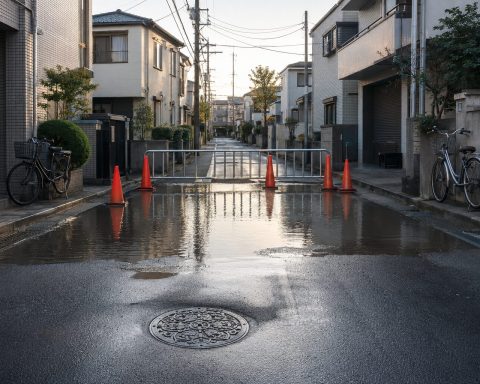
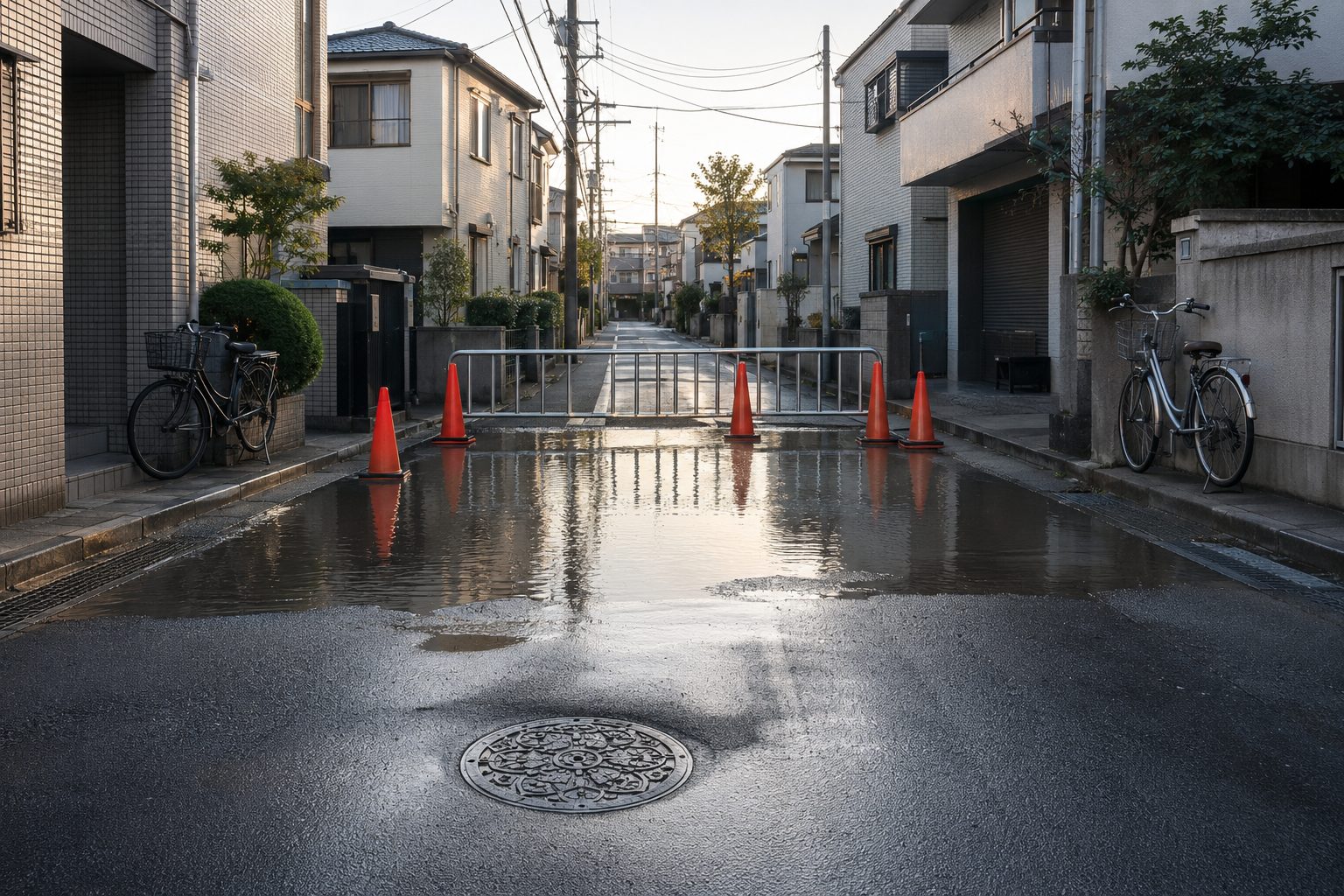
Express train routes connecting Tokyo and Narita airport experienced delays. There were also reports of localized power outages. Shinkansen operations continued without disruption, and a burst pipe in Koto ward, Tokyo, was fixed.
The Japan Meteorological Agency has cautioned that comparable tremors may be felt for around one week. This maintains heightened operational risk in place over the forthcoming trading sessions.
| Measure | Verified reading | Investor meaning |
|---|---|---|
| Earthquake magnitude | 5.9 JMA; 5.8 USGS | Significant local impact, less severe than July’s M7.1 quake |
| Depth | About 70 km | Widespread tremors, little surface destruction documented |
| Injuries | At least 37 | Casualties reported, but no major disaster |
| Nikkei 225, Aug. 24 close | 65,528.09; -0.74% | Chip-focused benchmark underperformed |
| TOPIX, Aug. 24 close | 4,073.29; +0.15% | Market broadly averted widespread selling |
| Prime-market breadth | 841 up; 658 down; 51 flat | Advances observed across numerous stocks |
Monday’s trading session did not show signs of widespread panic selling. The Nikkei 225 fell by 488.27 points, closing at 65,528.09. Meanwhile, the TOPIX rose by six points, with 841 Prime Market stocks ending higher.
Tech stocks led declines ahead of Nvidia’s NASDAQ:NVDA upcoming results this week. Higher Japanese bond yields contributed to the downward pressure. Insurers also underperformed, though market reports did not directly link this weakness to the earthquake.
Wataru Akiyama, equity strategist at Nomura Securities, described worries about semiconductor profitability as “little more than a pretext or trigger for selling.” He said there had been no shift in the earnings growth outlook for AI and chip stocks. Reuters via Business Recorder
After-hours trading supported the limited-risk view. At 22:00 JST Monday, September Nikkei futures were at 65,510, down just 18.09 points from the cash close. TOPIX futures finished 0.79 point below the cash close.
The July event is notable for comparison. A 7.1 magnitude earthquake in Kyushu disrupted both auto and semiconductor output. According to standard magnitude-energy scaling, that quake released around 63 times greater seismic energy than Sunday’s magnitude 5.9 event.
Markets are able to account for two realities simultaneously. The short-term impact seems contained. However, Tokyo’s density of people, infrastructure, and insured assets maintains a significant tail risk.
Swiss Re calculates that insured losses from a major earthquake in the Tokyo region could total between $130 billion and $150 billion, surpassing any previously recorded insured loss from a single event. The figure is based on a stress scenario and does not represent a forecast for this earthquake.
Japan’s financial sector has conducted drills for such disruptions. In May, the Bank of Japan and local market players checked business continuity plans and backup measures for the Tokyo area.
Risks: The market outlook could shift rapidly if there is a significant aftershock, undetected damage to infrastructure, or additional transport disruptions. Tuesday’s cash session will provide the first comprehensive test once authorities finish further inspections.
Related articles: Stock Market