
Memphis, Tennessee, June 19, 2026, 17:03 CDT
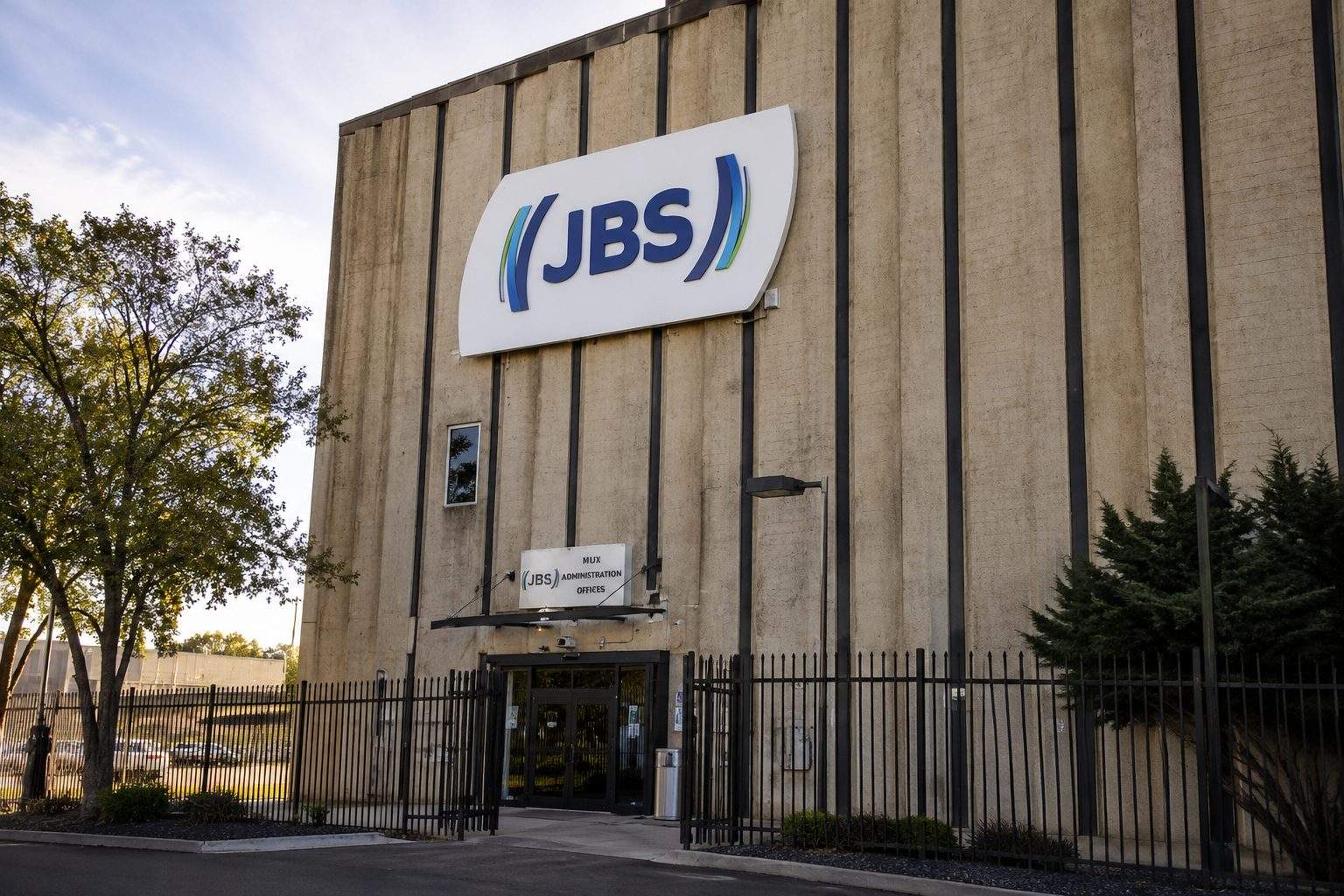
- JBS USA is shutting down its Souderton, Pennsylvania, beef plant, along with a value-added facility in Memphis. State and local filings list 1,693 jobs affected by the closures.
- Beef and veal prices are still high, and USDA numbers show cattle supplies in feedlots are tight, putting strain on packers and consumers. The cuts come as this pressure continues.
- Analysts are pointing to weak packer margins as the reason for the move. They also note that with less capacity, the industry could run into trouble if the U.S. cattle herd begins to expand again.
JBS USA will close its beef plant in Souderton, Pennsylvania, and its value-added meat site in Memphis, as tight cattle supplies push meatpackers to adjust operations. Production from both facilities is set to relocate within the JBS network, the company said.
Timing is key with beef already pricey. According to USDA’s Economic Research Service, beef and veal cost 14.8% more in April compared to last year. The group expects another 12.1% jump for 2026, blaming fewer cattle and steady demand.
Cattle on feed totaled 11.7 million head as of June 1, 2% higher than a year ago, according to USDA NASS data reported by DTN. But May placements were down 10%, and marketings dropped 12%. That put May marketings at their second-lowest level for the month since the data started in 1996.
JBS is set to shut down its Empire Packing facility in Memphis at 1837 Harbor Avenue on Aug. 14, Action News 5 said. The move will impact 208 workers. The meat-processing plant started operations in 1987 and JBS acquired it in 2020.
Pennsylvania is seeing a bigger impact. The state’s WARN notice put the number of JBS Souderton layoffs at 1,485 in Montgomery County, with jobs to end Aug. 14.
JBS USA CEO Wesley Batista Filho said shutting down the plants was not easy, since it “directly affect[s] our team members and communities.” JBS is offering workers a chance to apply for other jobs in the company and will have on-site support for transitions. GlobeNewswire
RFD-TV reports the Souderton facility processes about 2,000 head of cattle daily. Market analyst Brian Hoops told the network packers are running out of options. “They can either slow their kills down, or they can shut some plants down,” Hoops said. RFD-TV
JBS has been signaling trouble in its U.S. beef business. In May, the company posted $21.6 billion in net revenue for the first quarter, with net income of $221 million. But its U.S. beef unit reported a negative EBITDA of $230 million and margin of minus 3.2%, hit by tighter cattle supply and higher procurement costs. EBITDA, or earnings before interest, taxes, depreciation and amortization, is used to measure core profitability.
Tyson Foods already shut its Lexington, Nebraska, beef plant and scaled back at Amarillo, Texas, joining other big operators making moves. Cargill has decided to keep its U.S. beef plants running for now. Reuters says Tyson, JBS, Cargill and National Beef together handle about 85% of U.S. grain-fed cattle, so even a small change from one company can have a big impact on ranchers, workers and buyers.
The industry could be cutting too much, analysts warn. Brad Kooima told RFD-TV that more packer capacity might go offline if current conditions stick, though improved moisture in Texas could help producers restart herd growth. Still, if herd rebuilding gets going, plants that closed won’t reopen fast.
JBS is shifting capital to plants and products it thinks are better placed. The company said it has put significant investment into Texas, Georgia and Iowa. Earlier this year, JBS combined its beef and case-ready businesses into a single, more integrated unit.
Pilgrim’s Pride, run by JBS, is shifting strategy in poultry with a roughly $75 million investment into Ellijay, Georgia, and shutting harvesting in Chattanooga, Tennessee. The closure hits 348 jobs. CEO Fabio Sandri said the company wants to align operations with shifts in consumer demand.