
CHICAGO, June 20, 2026, 08:07 (CDT)
- JBS USA will shut down a beef plant in Pennsylvania and close a Memphis meat-processing facility. The move comes as the industry deals with tight cattle supplies.
- Beef prices are still high at the store, and cattle costs are squeezing packers. The cuts come as that pressure stays on.
- Some analysts think the impact on supply may be short-lived. Still, lost capacity could become an issue if ranchers end up rebuilding herds quicker than forecast.
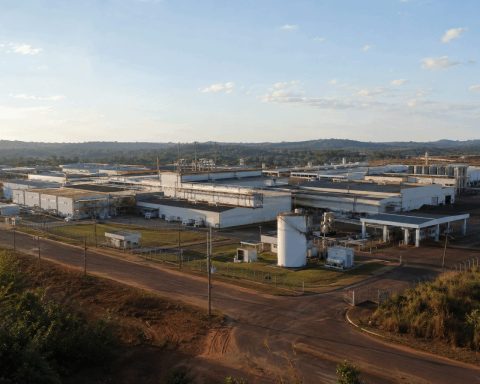
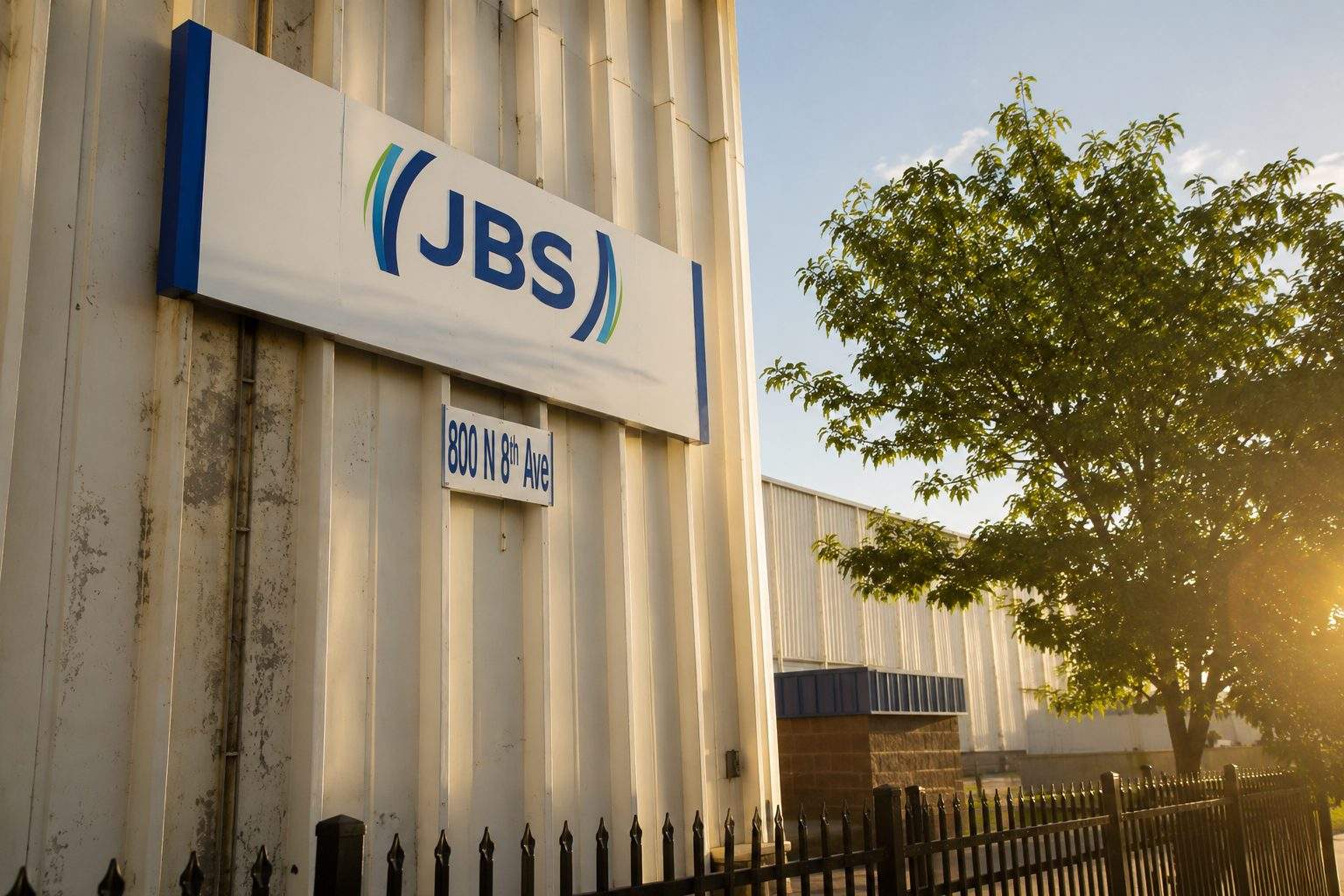
JBS USA is set to close two U.S. meat plants as it trims operations amid tight cattle supplies and squeezed margins. The company will shutter its Souderton, Pennsylvania, beef plant, which processes about 2,000 cattle daily. JBS also plans to close its Empire Packing facility in Memphis, which handles meat cutting, packing and preparation for grocers and restaurants.
Timing is key as the U.S. cattle supply isn’t steady. USDA said large feedlots held 11.7 million cattle and calves as of June 1, a 2% rise year over year. Placements in May dropped 10% and marketings were down 12%, marking the second-lowest May figure since the series started in 1996.
Beef prices keep climbing for consumers. The USDA’s Economic Research Service said beef and veal prices jumped 14.8% in April from the year before and sees another 12.1% increase in 2026. Farm-level cattle prices rose 17.7% from April 2025, lifted by a shrinking herd.
Job losses hit hard and nearby. A Pennsylvania WARN notice shows 1,485 workers at JBS Souderton out of work starting Aug. 14. In Memphis, 208 jobs go at the Empire Packing plant on Harbor Avenue, according to local reports.
JBS called the step a restructuring, saying it was not pulling back from U.S. food production. CEO Wesley Batista Filho said these decisions are “never easy.” The company said impacted workers would get support and could seek other jobs at JBS. Production at those sites is set to move to other parts of the company’s network. JBS Foods Group
It’s not about sluggish beef demand. The problem is the cattle cycle numbers: a smaller herd, pricier live cattle, and plants designed for bigger throughputs. According to USDA, the U.S. cattle inventory was 86.2 million as of Jan. 1. Beef cows dropped 1%. The calf crop for 2025 is down 2%.
Market analyst Brian Hoops said the Souderton closure points to packer margins being “deeply in the red.” Brad Kooima, another analyst, warned more capacity could be on the line if things don’t change, saying it didn’t take much to imagine the sector “lose another plant.” RFD-TV
JBS numbers point to pressure on profits. Brazil’s JBS, the top meatpacker globally, saw net profit fall 56% to $221 million in the first quarter, Reuters said last month. North American beef came in with negative adjusted EBITDA of $267 million, even though revenue climbed.
The change comes as the industry stays tightly held. Tyson Foods recently closed a beef plant in Nebraska and is reducing operations in Amarillo, Texas. Cargill says it’s not planning to shut any U.S. beef plants for now. According to Reuters, JBS, Cargill, Tyson, and National Beef handle about 85% of U.S. grain-fed cattle slaughter.
A direct line from plant closures to bare meat shelves misses the mark. S&P Global doesn’t expect the Souderton closure to move lean beef trimming prices much, citing plenty of slaughter capacity still in the market. Still, it may limit regional access for some non-fed cattle and cull cows, S&P said.
Workers and towns feel the impact right away. Ranchers get fewer bids and may face longer trips with fewer plants open. For shoppers, they might not see empty shelves, but beef prices could stay high; Mid-West Farm Report said beef demand remains solid, even as slaughter numbers lagged the previous week and last year’s pace.
The next sign will be if this is just trimming or if the sector is headed for a bigger capacity reset. If cattle supplies hold tight, packers can cut shifts or shut down plants that aren’t making the grade. But if ranchers start rebuilding herds, the industry could end up missing the hooks it took out.