
AMSTERDAM, June 20, 2026, 16:02 CEST
- Bloomberg said U.S. Commerce Secretary Howard Lutnick flagged to ASML that one of its main chipmaking machines might already be in China.
- ASML said it has not shipped any extreme ultraviolet lithography machines or EUV-specific parts to China.
- The issue comes up while Washington is urging allies to ramp up controls on tools for making advanced AI chips.
ASML is under new scrutiny in the U.S. after reports surfaced that China could have one of the company’s most advanced chipmaking tools. The move throws Europe’s biggest tech name back into the spotlight as Washington presses efforts to block Chinese access to high-end artificial intelligence hardware.
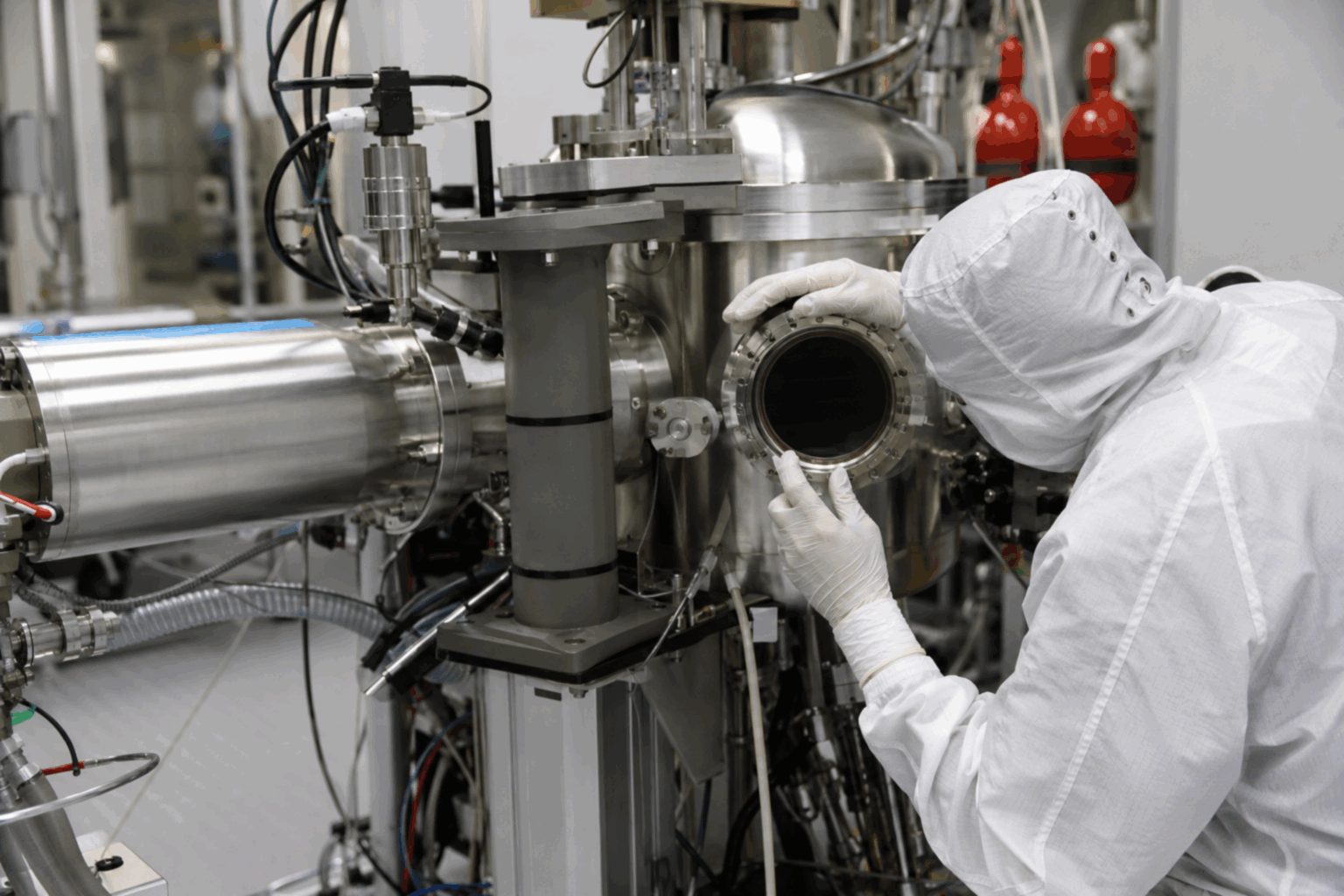
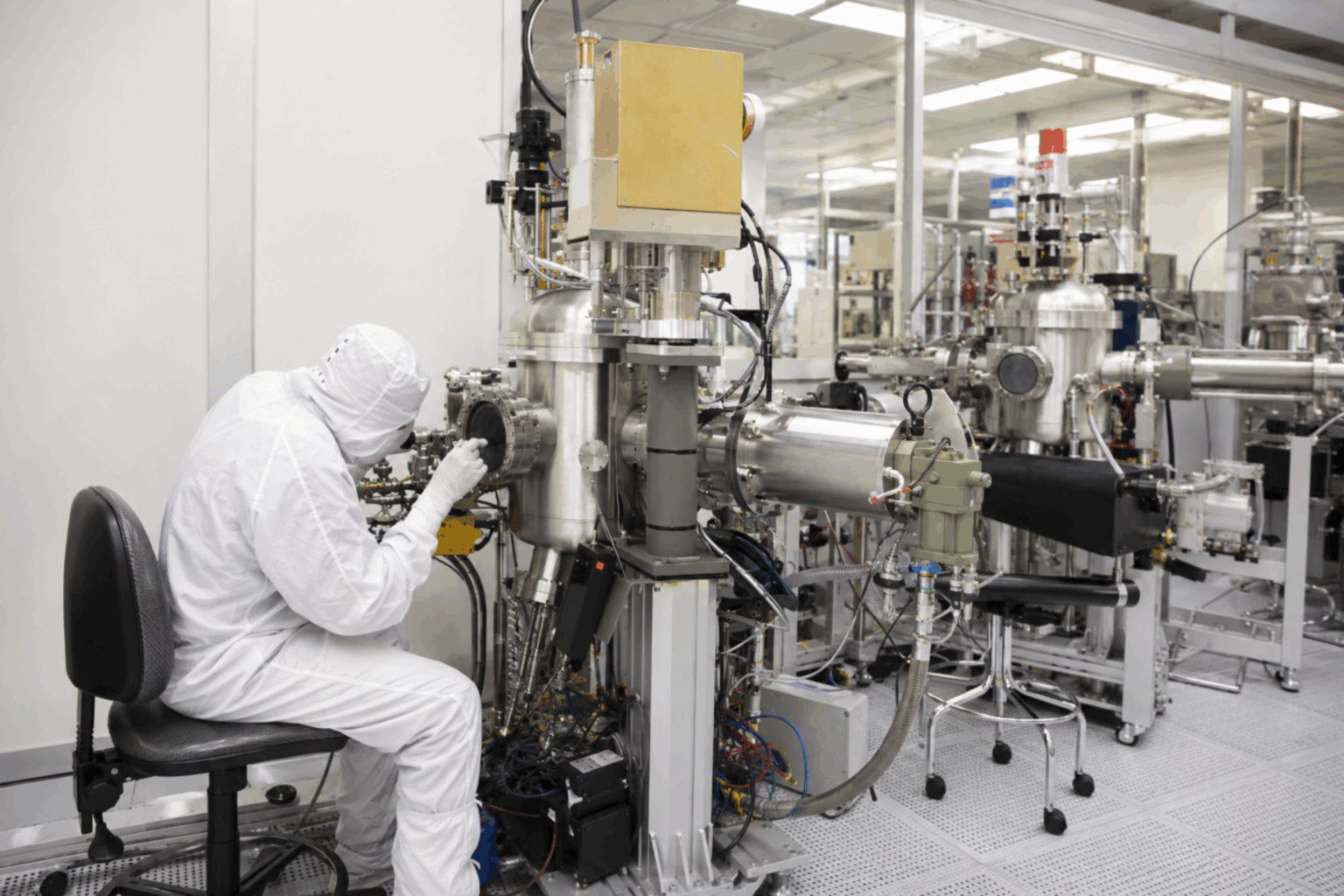
ASML said it has not shipped any extreme ultraviolet lithography machines, or any parts made specifically for those machines, to China. The company responded after Bloomberg said Commerce Secretary Howard Lutnick brought up the matter in talks with senior ASML executives. EUV machines use short-wavelength light to create the smallest features on chips and are needed for top-end processors.
Timing is key here since U.S. export curbs rely on allies backing them up, not just American law. ASML is based in the Netherlands, Tokyo Electron is Japanese. The U.S. has its own tool firms, including Applied Materials, Lam Research and KLA. Washington has pushed for years that different rules between these countries let China find workarounds.
China still can’t get EUV tools, blocking Huawei Technologies as it tries to compete with Nvidia in AI chips. TSMC relies on EUV gear to build top-tier processors for Nvidia, Apple and others, so any signs of an end-run here would hit supply chains, not just trade rules.
ASML pushed back, telling Reuters it has “never shipped an EUV machine to China” and said it hasn’t sent “any component, module or equipment specially designed to be used in an EUV machine” to China, either. The company said it has changed its business as export rules changed. Reuters
The Dutch Foreign Ministry said exports of semiconductor equipment are regulated by European dual-use rules plus extra Dutch curbs. “All equipment, components and technology that explicitly fall under these rules require a licence,” the ministry said. It also said it strictly enforces these rules. Reuters
ASML put out a document in Washington called “No indication of any ASML EUV System in China,” Bloomberg reported, with the story picked up by The Straits Times and The Edge. The document listed 314 EUV machines running globally, 26 scrapped, and zero in China. The Straits Times
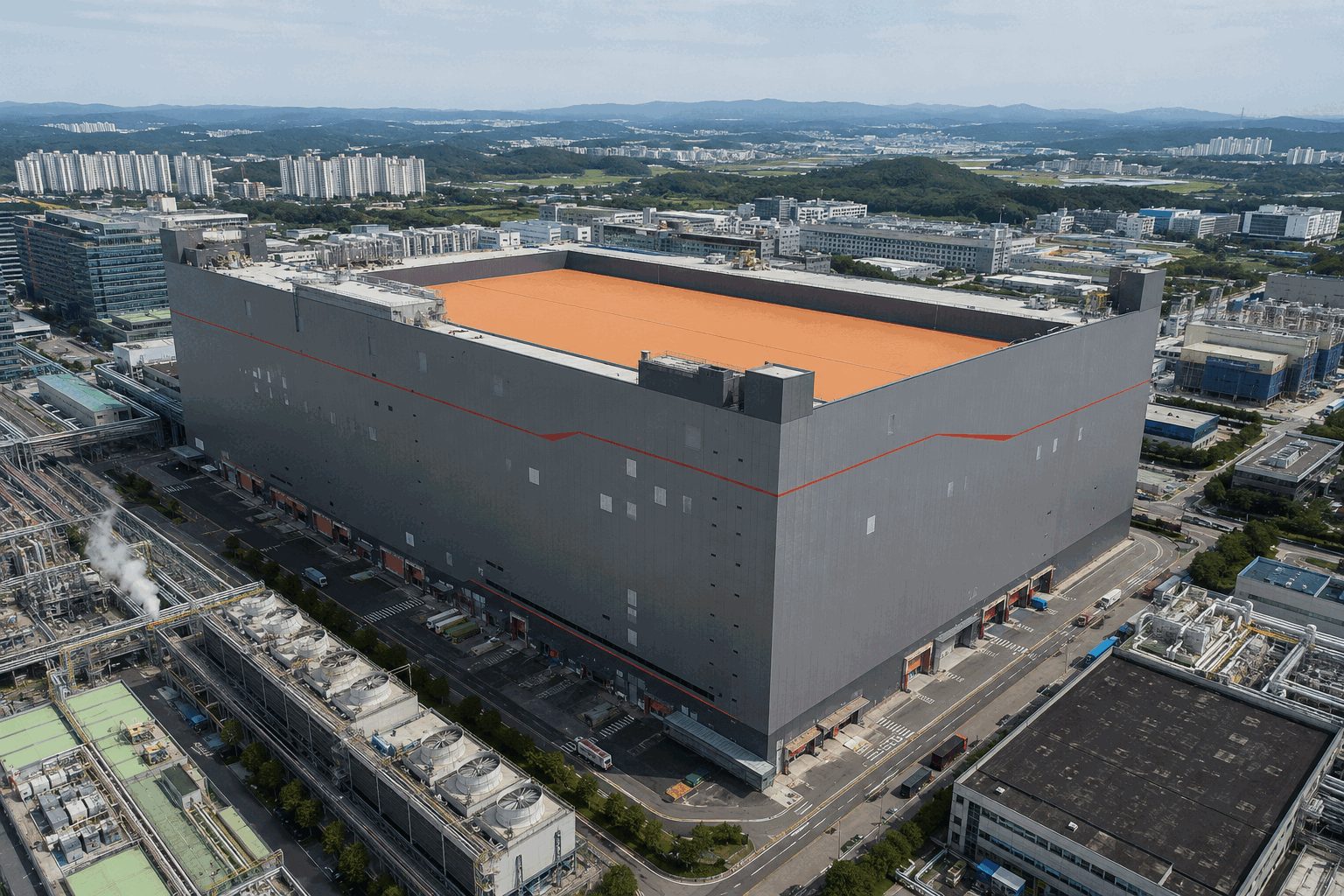
ASML keeps repeating its main point: the machines aren’t easy to move or hide. The company argues the units are few, need regular maintenance, and customers can’t shift them around without ASML being there. Reuters says ASML’s top-end EUV models are the size of a school bus and weigh in at 180 tons.
Still, the claim is tough to settle. Bloomberg said the Commerce Department didn’t say if it had proof that an EUV system is in China, and ASML is on the hook to show it isn’t. Uncertainty like that sticks. Even a suspicion that isn’t proven can drive policy.
ASML shares dropped up to 2.7% in Amsterdam on Friday, but the stock is still up around 78% this year, according to The Edge. Barron’s reported the shares were down 0.5% after the news, saying investors seemed to see the reaction as limited and not a major shift for the AI-equipment trade.
Bloomberg Intelligence’s Masahiro Wakasugi said in a note that U.S. worries about Chinese chipmakers getting ASML’s advanced tools “might have little impact on its sales.” ASML hasn’t shipped EUV systems to China, and Wakasugi points out that producing advanced chips would also take other highly restricted foreign gear. The Edge Malaysia
Political risks are rising. Lawmakers in the U.S. are pushing a bipartisan bill that would pressure allies to line up more closely with American export curbs, and it could block shipments of ASML’s immersion deep ultraviolet tools to China. These are less advanced than EUV systems, but still matter for Chinese fabs. ASML is counting on China for about 20% of its 2026 revenue, so if controls go further, they would hit business harder than the existing EUV restrictions.
The U.S. could also be worried about China making headway with older chipmaking tools, not just a leaked ASML machine. Chinese fabs have worked to push deep ultraviolet equipment further by stacking on more complex production steps. Back in December, Reuters said Chinese scientists managed to build a prototype EUV machine with help from former ASML engineers.
ASML has to keep selling where it can under current rules, and try to show Washington that controls, service limits and machine tracking will work. The U.S. faces a question of turning suspicion into proof. For now, the argument leaves a key monopoly in limbo.

![US Stock Market Today 08/24/2026 [UPDATE: 02:06 EDT] [Memory Rout Accelerates as Micron and Sandisk Losses Double]](https://ts2.tech/wp-content/uploads/2026/08/US-market-dashboard-2026-08-24-0203-480x384.jpg "US Stock Market Today 08/24/2026 [UPDATE: 02:06 EDT] [Memory Rout Accelerates as Micron and Sandisk Losses Double]")