New York, Jan 13, 2026, 17:36 EST — After-hours
- JPMorgan shares dropped in after-hours trading following the release of their fourth-quarter results.
- Attention centers on Apple Card-related reserves and a dip in investment banking fees.
- Investors eye peer bank earnings on Jan. 14 ahead of the Fed’s late-January meeting.
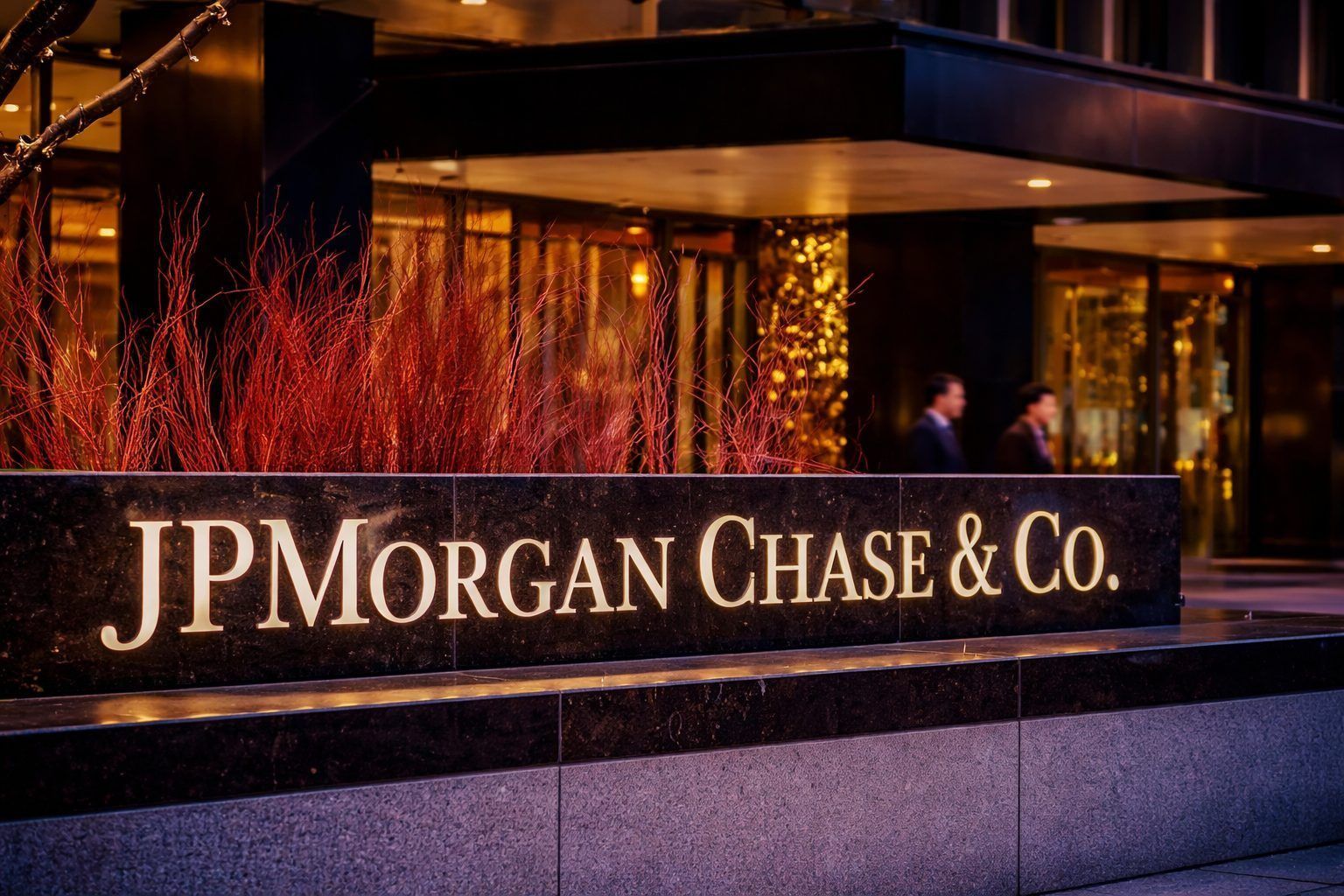
Shares of JPMorgan Chase & Co. fell roughly 4.2% in after-hours trading Tuesday, slipping to $310.90. The bank’s quarterly results reignited concerns around credit-card performance and dealmaking activity.
This matters because JPMorgan is the largest U.S. lender, and its results often shape investor sentiment across the sector. Traders are sorting which segments benefit from volatile markets versus those that rely on a steady deal flow and supportive interest rates.
Politics remains a key concern, alongside profits. President Donald Trump’s plan to cap credit card interest rates for one year has rattled bank investors. JPMorgan executives say such a move might push lenders to cut back on credit instead of lowering costs. “It would be very bad for consumers, very bad for the economy,” Chief Financial Officer Jeremy Barnum told reporters during the bank’s earnings call. Reuters
JPMorgan posted $13.0 billion in net income for the fourth quarter, translating to $4.63 per share. The bank carved out a $2.2 billion credit reserve linked to a forward purchase commitment on the Apple credit card portfolio. Without that reserve, net income climbed to $14.7 billion, or $5.23 per share. Revenue hit $45.8 billion, with markets revenue up 17%. The firm returned $7.9 billion via net share buybacks and handed out a $1.50-per-share dividend.
Net interest income — the difference between earnings on loans and investments and payments to depositors — jumped 7% this quarter to $25.1 billion. JPMorgan projects 2026 interest income excluding markets to hit around $95 billion. Investment banking fees dropped 5%, missing forecasts. Argus Research’s Stephen Biggar described the fee decline as “a bit disappointing” but highlighted quicker average loan growth as a more promising indicator for lending momentum. Reuters
Jamie Dimon aimed to simplify the broader view, saying the economy remains resilient despite markets constantly shifting expectations on rates. He also pointed to “sticky inflation” and “elevated asset prices” as risks that investors might be underestimating.
The Apple Card move presents a double-edged sword for the stock. It might generate fresh balances and fees down the line, yet the reserve buildup highlights that credit card expansion isn’t without cost—especially if regulators or lawmakers begin scrutinizing card pricing as a policy issue.
The downside scenario is straightforward: if a rate cap takes hold, banks might tighten credit card offerings, rewards programs could shift, and credit losses might increase if consumers slow spending at a bad time. Plus, if investment banking remains sluggish beyond forecasts, a strong trading quarter might turn out to be a one-off instead of the norm.
On Wednesday, results roll in from big banks like Bank of America, Wells Fargo, and Citigroup. Then, the Federal Reserve’s policy meeting on Jan. 27-28 will set the tone for interest rates, a key factor in banks’ earnings forecasts for 2026.