New York, Jan 12, 2026, 17:17 EST — After-hours
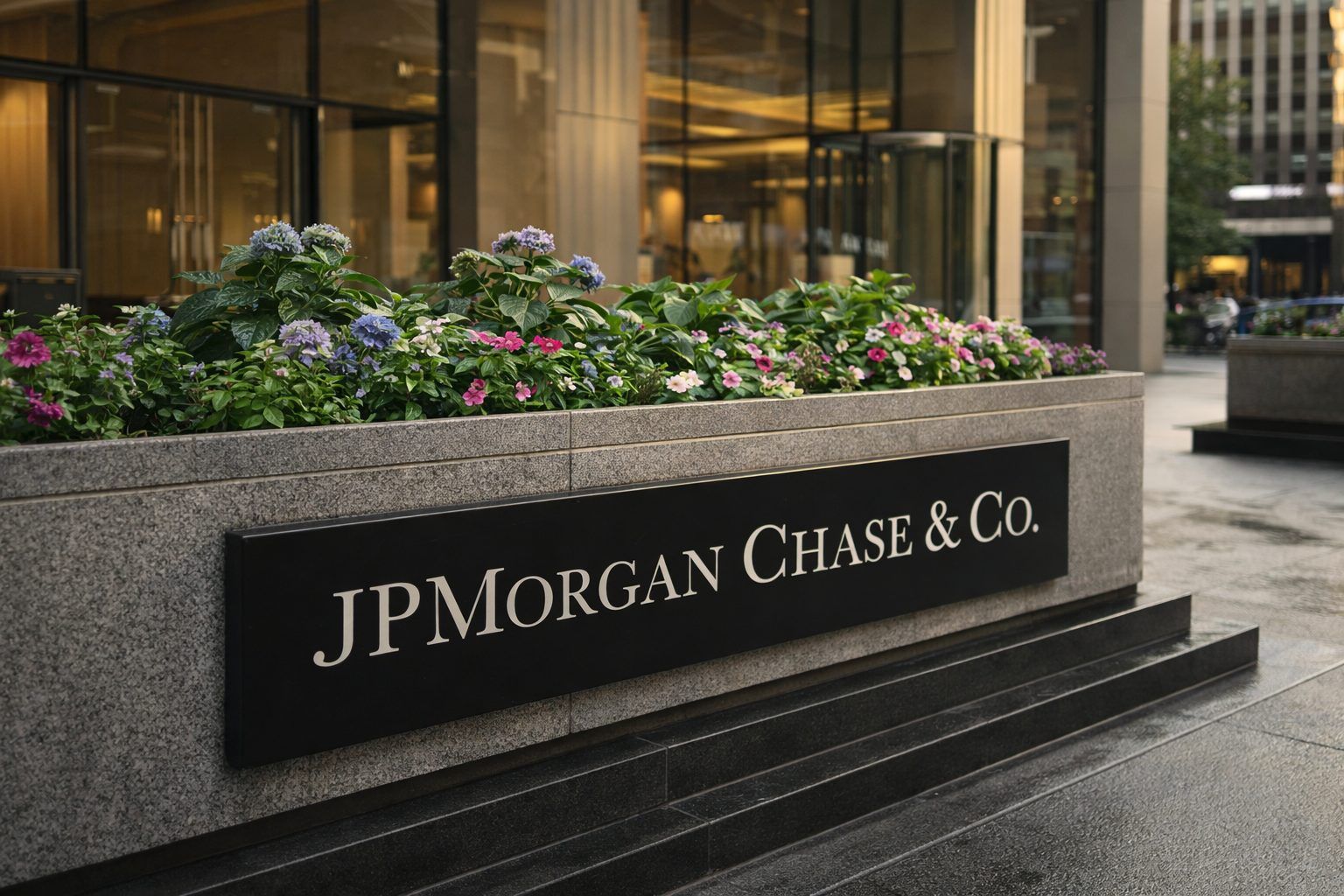
Shares of JPMorgan Chase & Co slipped Monday following President Donald Trump’s call for a one-year 10% cap on credit-card interest rates starting Jan. 20, stirring fears over a crucial revenue stream for major banks. JPM fell 1.5% in after-hours, closing at $324.49 after hitting a low of $317.34 during the day. Bank of America dropped 1.6%, while Citigroup slid 3.7% in early trade. UBS analysts noted that such a cap would require “an Act of Congress” to become reality. Reuters
The news hit just before JPMorgan’s fourth-quarter earnings, due at 7:00 a.m. ET Tuesday, followed by a Q&A with executives at 8:30 a.m. As the first of the big U.S. banks to report, JPMorgan’s results will offer clues on consumer credit trends and interest rate forecasts.
A 10% cap would sharply reduce current credit-card rates — the average annual percentage rate (APR) on all accounts stood at 20.97% in November, per Federal Reserve data. Since cards are unsecured loans, these high rates cover defaults and fund rewards programs. Any effort to limit rates would quickly pressure earnings forecasts.
Bank groups and card networks quickly pushed back, warning the plan would slash credit access, especially for higher-risk borrowers. The Electronic Payments Coalition said nearly every card tied to a credit score under 740 — roughly 82% to 88% of accounts — would face closures or severe limits. Its executive chairman, Richard Hunt, called the cap a “one-size-fits-all” approach. Morningstar analyst Michael Miller described the proposal as “mostly a call to action.” Meanwhile, a Vanderbilt Policy Accelerator study estimated consumer savings could reach $100 billion annually; the center’s Brian Shearer noted credit-card “profit margins are absolutely massive.” Reuters
JPMorgan, with its sizable U.S. card portfolio, faces fresh challenges amid the political turmoil. The bank must balance growth and reward spending, all while containing credit losses as customers juggle balances with steep interest rates.
Investors will watch closely for early hints that customers are stretching, focusing on delinquencies and charge-offs—the portion of loans deemed uncollectable. They’ll also keep an eye on the provision for credit losses, the funds reserved for possible defaults.
Net interest income — the gap between earnings on loans and costs on deposits — remains a key factor behind bank stocks. It tends to react sharply to changes in rate outlooks. If JPM executives signal any strain on card yields or a slowdown in consumer demand, JPM stock could move fast.
There’s a downside risk too: should the cap gain political momentum, lenders might clamp down on lending standards and slash rewards, dragging down volumes and fee income. If it fizzles out as just empty rhetoric, the sector will refocus on credit costs and investment-banking fees.
Tuesday brings another immediate hurdle: the U.S. consumer price index report for December, set for release at 8:30 a.m. ET. This data could jolt Treasury yields and shake up bank valuations.
JPMorgan shareholders are now eyeing Tuesday’s earnings report and any fresh updates from Washington on the approach to a cap before Jan. 20.