Johannesburg, March 7, 2026, 09:31 SAST
- JSE All-Share dropped about 9% for the week, pulling back after notching a record high just days earlier
- The rand slid, while long bond yields surged, with investors favoring the dollar as a haven.
- FirstRand delivered an 11% bump in half-year earnings, though investors shifted to a defensive stance.
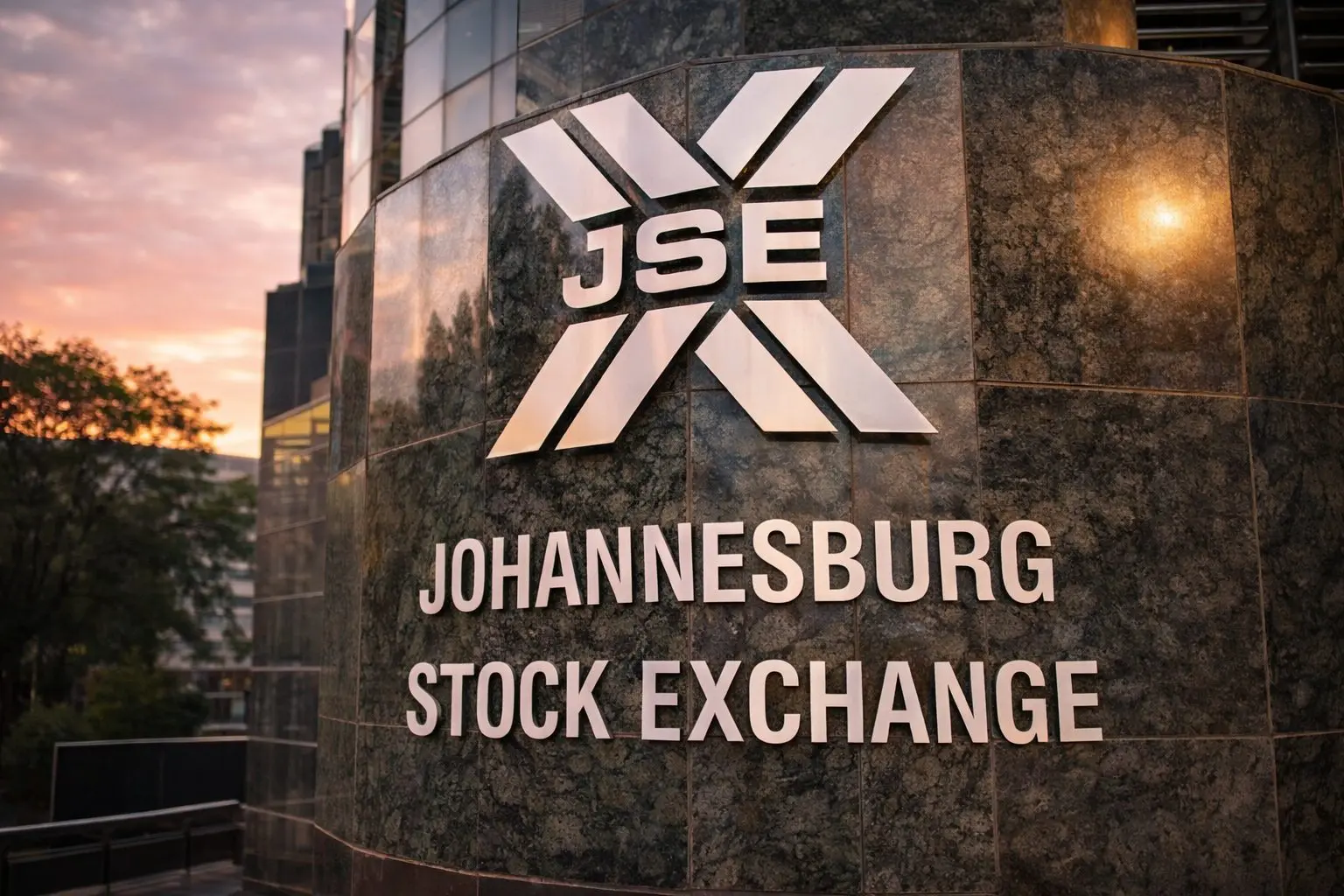
South African equities tumbled last week, with the FTSE/JSE All Share (.JALSH) settling at 116,583 on Friday—a drop of roughly 9.2% from the previous week’s close. The Top 40 blue-chip index wrapped up at 108,597, marking a 9.7% weekly slide. Earlier in the week, the All Share had touched 129,339 before retreating, according to data. Investing.com
The broader rush out of risk assets picked up as violence in the Middle East intensified, putting a bid under oil and driving investors to the dollar. Friday saw the rand slip to 16.72 per dollar, the Top-40 index off nearly 2% for the day, and yields on the 2035 government bond spiking 19.5 basis points to 8.435%. “Like many emerging market currencies, the rand has been weighed down by rising global risk aversion and higher oil prices,” said Andre Cilliers, currency strategist at TreasuryONE. Reuters
Oil’s persistent strength piled pressure on the currency market this week, pushing traders toward a “risk-off” stance in emerging markets. By Thursday, the rand had shed about 4% since Monday. ETM Analytics flagged in a note that pricier oil would continue to squeeze South Africa’s terms of trade—that is, the balance between what the country earns on exports and spends on imports. Reuters
South Africa relies heavily on imported crude and refined fuel. When oil prices spike, that pushes up the current account deficit and stirs inflation. The rand’s weakness amplifies it, making imports pricier almost instantly.
Banks stood out among local indicators. FirstRand, South Africa’s No. 2 lender by assets, posted an 11% gain in adjusted half-year profits and bumped its interim payout by 18%, crediting stronger revenue and better loan performance, the company said. Reuters
Life Healthcare said in a filing that clients of Lazard Asset Management now hold a combined 16.2782% of its ordinary shares—enough to require a formal disclosure under South African large-shareholding rules. Moneyweb
The JSE took governance action, slapping Mantengu with a public censure. The bourse said Mantengu didn’t issue a cautionary announcement after confidential, price-sensitive information was compromised—a key misstep. A cautionary is intended to alert investors to tread lightly during sensitive talks or uncertainty. Engineering News
Policy risk wasn’t far off. South African Reserve Bank Governor Lesetja Kganyago told Reuters the central bank plans to overhaul its risk scenarios ahead of the March 26 rate decision, pointing to the oil shock’s impact on inflation. “Now the previous adverse scenario … is gone,” he said. “We will come up with a completely new one.” Reuters
The global surge in oil prices has shaken bond markets and swung rate expectations, creating fresh headwinds for emerging-market assets dependent on reliable international funding. “Energy price inflation is generally shorter term in nature. But that’s going to hit headline inflation hard,” said Thomas Urano, co-chief investment officer at Sage Advisory. Reuters
Still, the paths ahead look split. Should the conflict ease and oil prices retreat, the rand might steady, opening a bit of space for domestic rates and equities. But if oil holds these levels and the currency slides more, markets could start baking in more persistent inflation and a rougher trajectory for South Africa’s rates.