
NEW YORK, May 11, 2026, 17:02 (EDT)
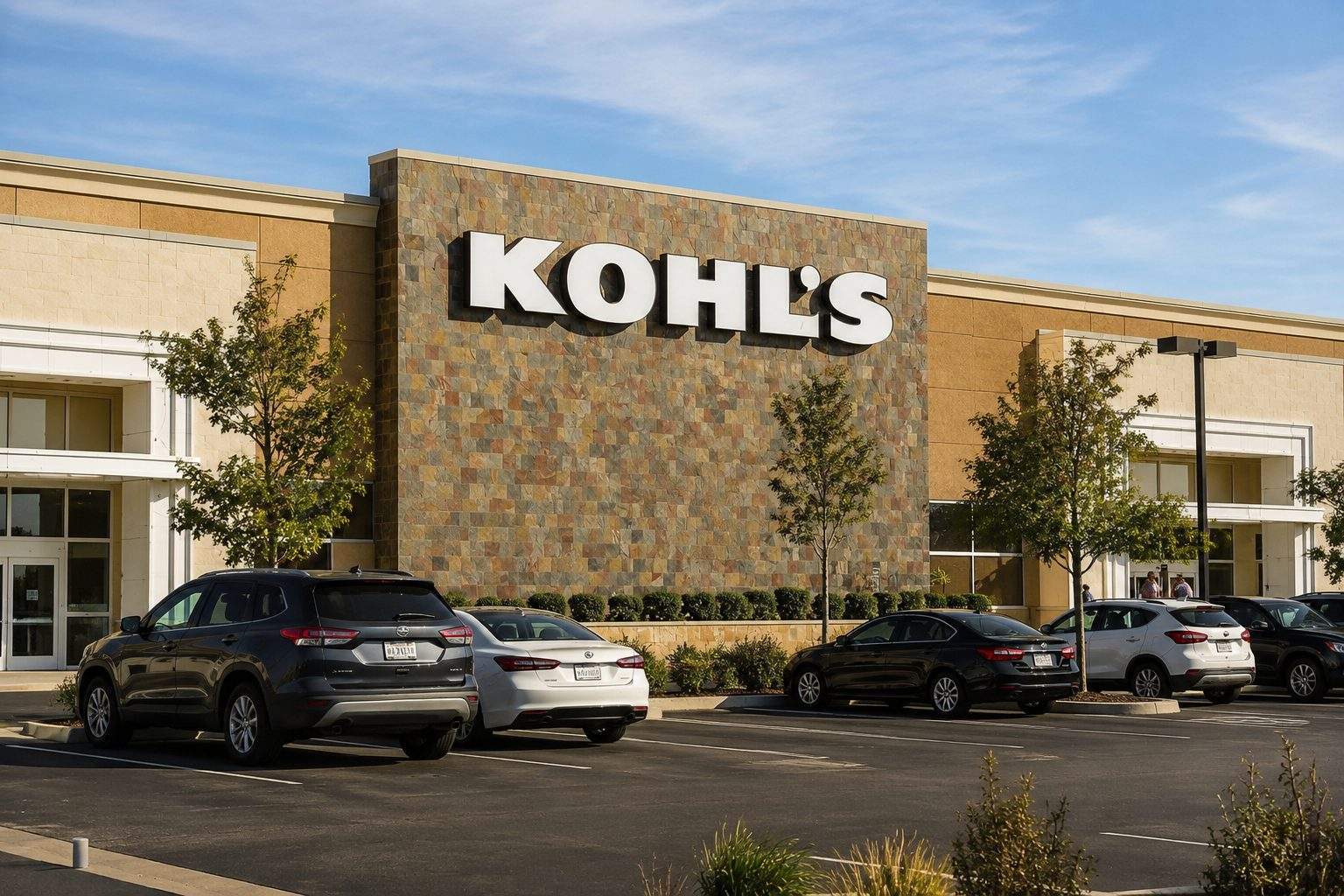
Kohl’s Corporation tumbled late Monday, sliding roughly 9.8% to $13.09 and hitting an intraday low of $12.88. The selloff came as the department-store chain faced fresh pressure from tighter household budgets, even as the broader U.S. market eked out small gains.
Fuel prices are back in focus, putting pressure on retailers that depend on shoppers’ willingness to spend on nonessentials. According to a StockStory report featured on TradingView, Kohl’s shares dropped as investors grew uneasy—rising gas costs could eat into the cash consumers have left for things like clothing and home goods.
On May 11, AAA listed the average price of regular gas in the U.S. at $4.520 per gallon, a jump from $4.135 just a month ago and well above $3.135 a year back. That difference isn’t just a statistic for Kohl’s—it hits exactly the sort of households the retailer counts on returning to its stores and shopping online.
U.S. stocks ended in positive territory—S&P 500 gained 0.19%, the Dow also advanced 0.19%, while the Nasdaq edged up 0.10%, according to Reuters. Terry Sandven, chief equity strategist at U.S. Bank Wealth Management, pointed out investors are tracking for “any change in consumer spending behavior” following “elevated prices at the gas pump.” Reuters
It wasn’t just Kohl’s feeling the heat. Target dropped 5.44% Monday, Walmart slid 2.18%, and TJX shares moved lower as well, MarketWatch data show. The selling stretched across consumer names, but Kohl’s took the hardest hit.
Kohl’s isn’t working with much of a cushion these days. Back in March, the retailer reported fourth-quarter net sales slid 3.9%, while comparable sales—those from stores and online channels open long enough to be counted—fell 2.8%. Looking out to fiscal 2026, Kohl’s projected net and comparable sales anywhere from a 2% decline to flat. Adjusted diluted earnings per share are pegged between $1.00 and $1.60, a range that strips out certain items.
Chief Executive Michael J. Bender acknowledged there’s “important work still ahead,” despite Kohl’s finishing 2025 better off than it started. That comment takes on new weight after Monday’s selloff, which rattled investors’ willingness to wait for results. Kohl’s Investor Relations
After Kohl’s posted its March numbers, David Silverman, senior director at Fitch Ratings, highlighted gains in profit, pointing to tighter inventory and cost measures. Still, he noted, the retailer hadn’t shown it could steady its share of the market. “The ending has not yet been told,” Silverman wrote of Kohl’s latest chapter. Reuters
Kohl’s is betting on tweaks to its product mix, sharper pricing and quality, and improvements across stores, web and app—the “omni-channel” pitch. These are retail fundamentals, not instant fixes, and progress could be slow with consumers feeling the pinch. Kohl’s Investor Relations
Monday’s move could easily snap back if fuel prices back off or if fresh retail reports reveal shoppers aren’t pulling back after all. The real trouble? Softer foot traffic, heavier markdowns, and squeezed margins—a tough setup for Kohl’s as it tries to convince the market its turnaround story is sticking.
Kohl’s lines up its first-quarter 2026 earnings call for May 28. On deck: proof that gains in early-year apparel and cost discipline haven’t slipped, even with the recent uptick in household fuel prices.
Related articles: Stock Market