NEW YORK, Jan 10, 2026, 08:12 (EST)
Schrödinger announced it will integrate Eli Lilly’s TuneLab, an AI-driven drug discovery platform, into its LiveDesign software. This move offers biotech teams direct access to Lilly’s predictive models. “LiveDesign will be a priority platform partner for TuneLab workflows,” said Pat Lorton, Schrödinger’s software chief. FinancialContent
The deal comes as drugmakers ramp up AI efforts to speed candidate identification and detect safety concerns earlier—a push gaining momentum amid regulatory pressure to reduce animal testing. LiveDesign aids chemists in designing compounds and forecasting properties like absorption and distribution, key to understanding how drugs enter and move through the body. Schrödinger plans to launch TuneLab to current LiveDesign users in Q1, expanding to new clients in Q2, said Karen Akinsanya, the company’s chief strategy officer. Lilly expects broader adoption to improve the models: “More biotechs using the models means more diverse training data,” noted Aliza Apple, global head of Lilly TuneLab. Reuters
Revvity, known for its lab tools and software, announced it will offer TuneLab through its Signals platform as part of Signals Xynthetica. Lilly and Revvity are jointly financing access for select users, covering software and modeling credits. To protect proprietary research, they’re using “federated learning,” which trains AI on distributed datasets without centralizing raw data, Revvity explained. “Federated learning represents one of the most powerful paths forward for AI in drug discovery,” said Kevin Willoe, president of Revvity Signals. Business Wire
On Thursday, Benchling announced a deal with Lilly to integrate TuneLab models into its platform, which serves over 1,300 biotech firms. The move allows scientists to run antibody and small molecule predictions within their existing workflows. “Lilly chose Benchling … because we’re where scientists already work,” said Sajith Wickramasekara, Benchling’s CEO and co-founder. Benchling flagged survey data showing many AI projects stall due to lack of clean datasets and missing security infrastructure needed for scaling. Benchling
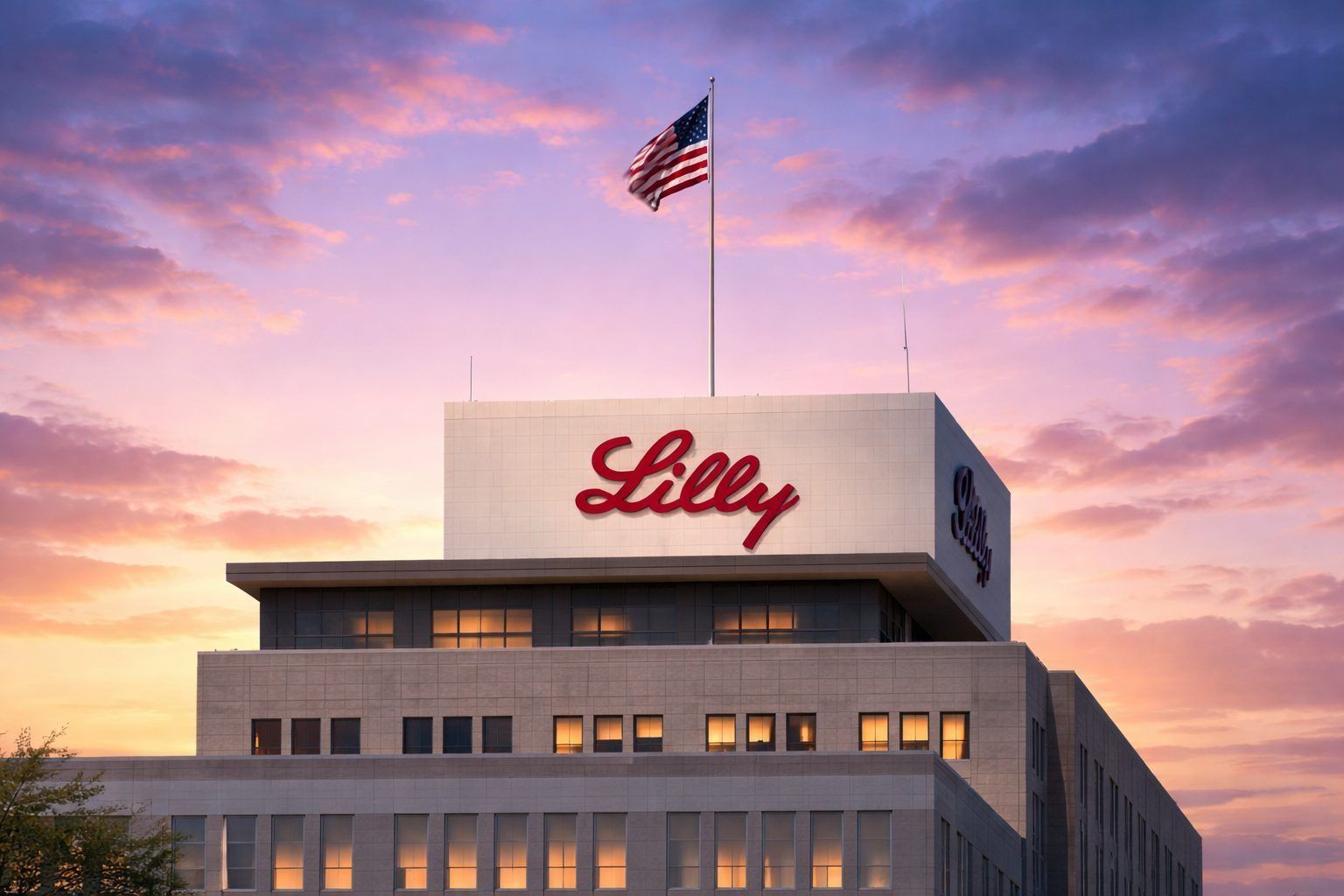
On Friday, Lilly unveiled collaborations with Schrödinger and Revvity, integrating both software companies into its TuneLab ecosystem, Seeking Alpha reported. Seeking Alpha
BigHat Biosciences announced Thursday it will team up with Lilly on TuneLab to enhance antibody “developability” models — covering factors like stability and large-scale manufacturability. “Current AI/ML models for antibody developability have limited ability to generalize to new sequences,” said BigHat CEO Peyton Greenside. BioSpace
Wider access doesn’t guarantee better drugs. AI models might perform well on known data but falter with new chemistry. Federated networks improve only when enough partners provide the right data—without a privacy breach scaring them off.
Lilly is betting that integrating TuneLab into the software scientists already rely on will boost real-world results and keep model improvements coming. Schrödinger, Revvity, and Benchling see it as a way to make their platforms more indispensable as discovery teams increase spending on data-heavy workflows.
–