London, March 3, 2026, 08:33 GMT — Regular session
- Lloyds shares dropped at the open in London, with UK bank stocks still facing selling pressure.
- Interest-rate expectations remain under the microscope as oil-fueled inflation jitters persist.
- Investors eye UK fiscal hints alongside bond yields, hunting for the next move.
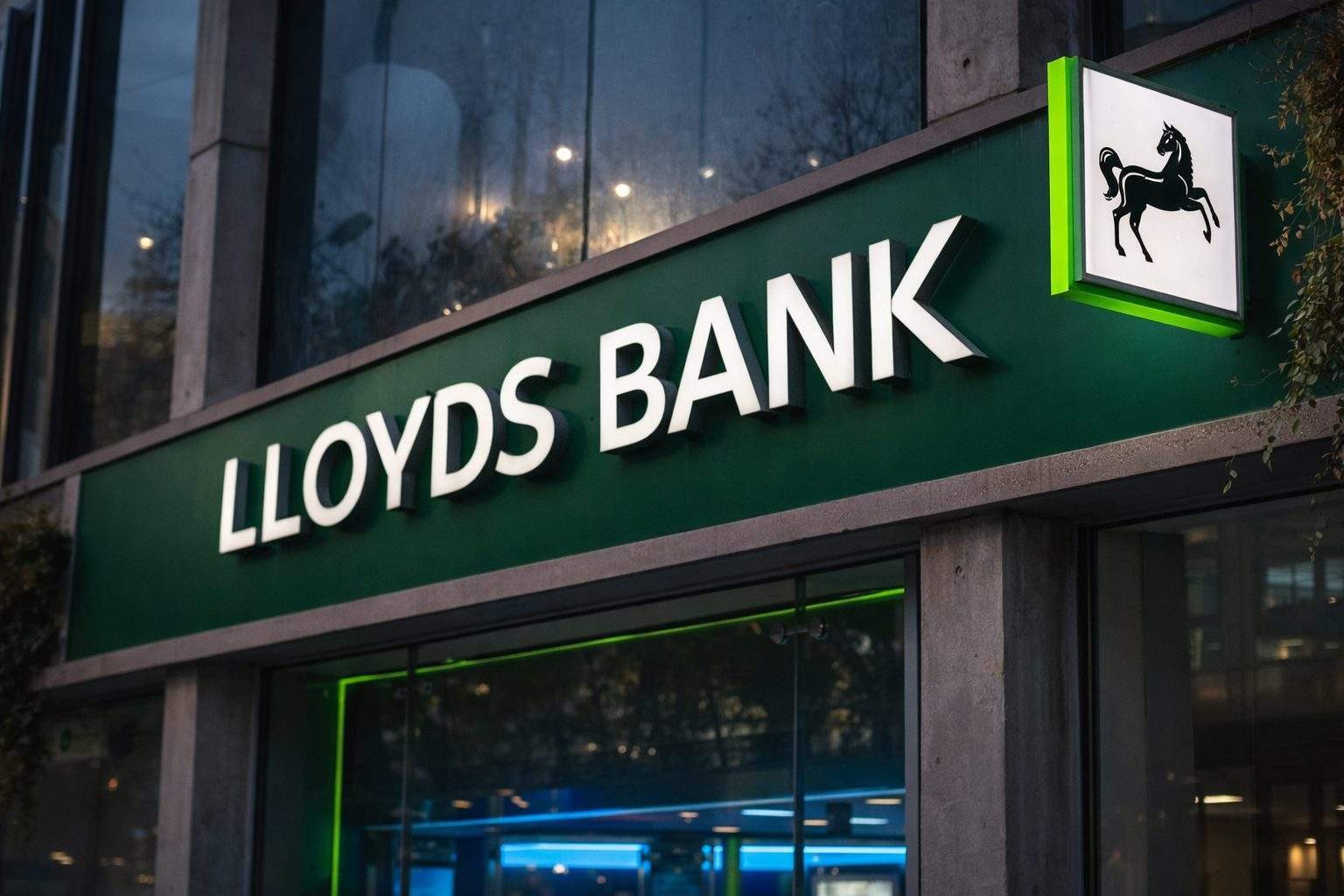
Shares of Lloyds Banking Group (LLOY.L) slipped over 2% in early Tuesday trading in London, deepening the downturn hitting UK banks. The stock dropped 2.06% to 97.86 pence, hitting a session low of 97.78, having ended Monday at 99.92, according to London Stock Exchange data.
This shift is notable: bank stocks are getting yanked around by the same macro trends pushing oil, bonds, and currencies, rather than on the back of some new Lloyds news. Once the bigger picture shifts, investors get busy recalculating growth, default odds, and when to expect rate cuts.
Lloyds feels the impact more than most. The bank leans heavily on the UK, and with its sizeable mortgage portfolio, changes in Bank Rate swiftly shape both lending appetite and what its borrowers can handle.
UK stocks dropped sharply Monday as a global wave of selling swept through markets, triggered by mounting tensions in the Middle East. Oil surged nearly 7%, driving investors into safe-haven territory, according to Reuters. Dan Coatsworth, head of markets at AJ Bell, flagged the risk of fresh inflation concerns if the turmoil drags on, saying that could dent hopes for rate cuts soon. As it stands, traders see just a 52% chance of a Bank of England cut in March—down from roughly 78% last week, Reuters noted.
The UK’s policy diary is getting attention. Finance minister Rachel Reeves is likely to stick to a cautious tone in Tuesday’s budget update, aiming not to rattle bond investors who are already jittery over inflation, according to a Reuters preview. “If anything, she will probably be trying to keep the Spring Forecast as dialled back as possible,” said Ken Egan, director of European sovereign credit at Kroll Bond Rating Agency. Henry Cook, a senior economist at MUFG Bank, noted Reeves has “won a fair amount of credibility” with markets. Reuters
Debate over interest rates hasn’t quieted at the Bank of England. On Monday, policymaker Alan Taylor highlighted the risk of “deficient demand” and suggested the economy might eventually require looser policy, according to Reuters. Reuters
Lloyds was in the market again on Monday, snapping up 28,174,401 ordinary shares, according to fresh company filings. Prices ranged from 98.52 pence up to 100.15 pence, with the volume-weighted average landing at 99.4738 pence. The bank intends to cancel all the shares it bought back.
Lloyds disclosed in a separate filing that it issued 220,314,633 new shares from Jan. 19 through Feb. 27, fulfilling obligations for employee share plans. That bumps the total share count to 59,029,409,081 as of Feb. 27. According to the company, these new shares are “fully fungible” with the existing stock—they trade under identical terms. SEC
Buybacks boost earnings per share by cutting the share count; issuing shares to employees does the opposite. But at this point, neither factor is steering the story—the stock is moving more like a rate-and-risk proxy.
Still, there’s no guarantee things only get worse from here. A prolonged energy shock might squeeze consumers, with rising bad debts a real risk as mortgage demand cools. On top of that, a sudden downturn forcing faster rate cuts could tighten banks’ loan margins.
Gilts are on the radar for investors; their yields set the tone for borrowing costs in Britain. Oil’s the other key chart—its moves hit inflation forecasts fast, and that puts pressure straight on the Bank of England.
The Bank of England’s policy decision and minutes hit on March 19—next up on the calendar. Markets are watching to see if pared-back rate cut expectations hold through another choppy period for energy and bonds.