
SYDNEY, Jan 31, 2026, 17:21 (AEDT) — Market closed.
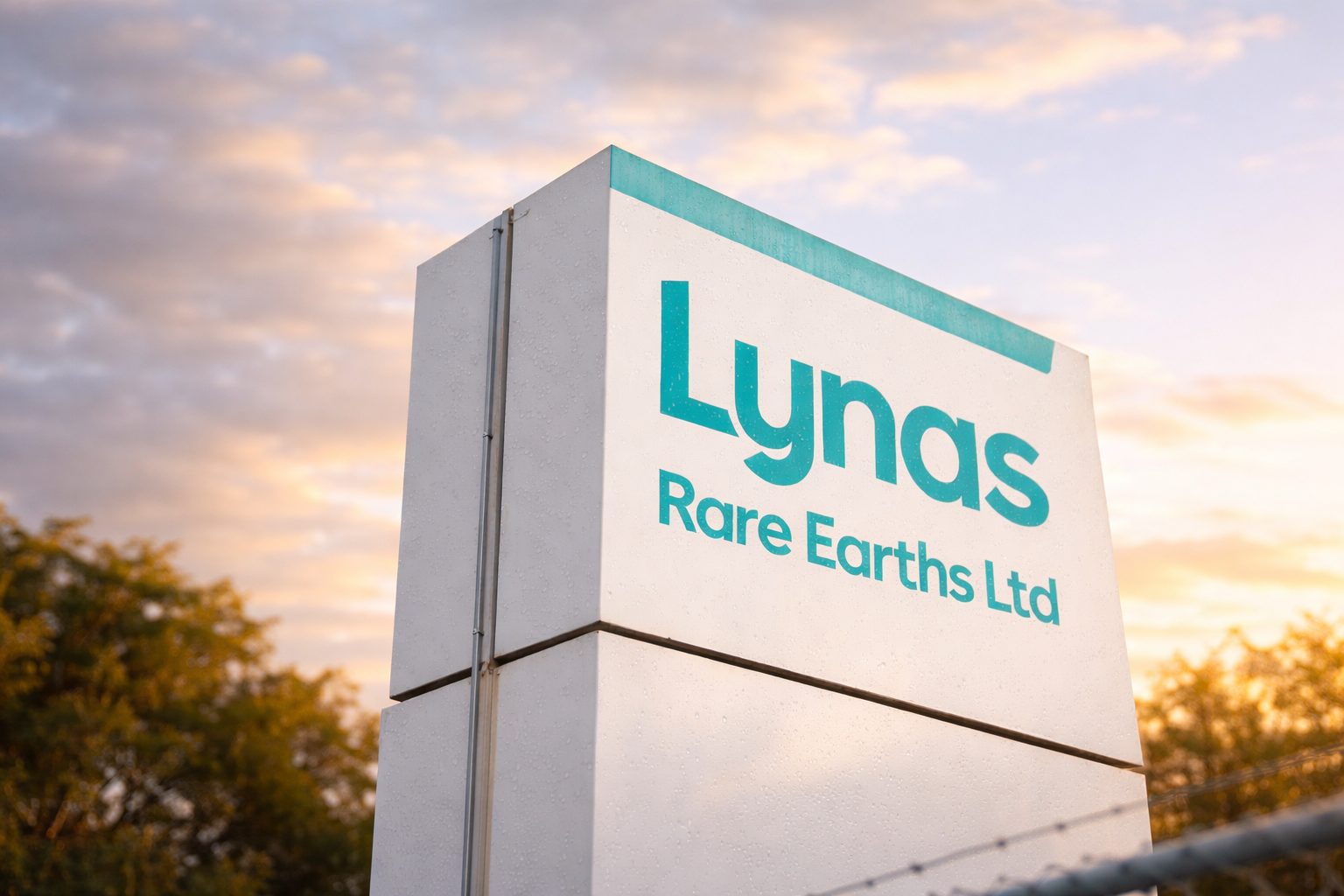
Lynas Rare Earths shares slipped 4.5% to A$14.90 on Friday, extending their two-day decline to roughly 8% ahead of next week’s trading session.
The drop came after the US altered its position on backing critical-minerals projects, dragging down Australian rare-earth stocks. Madeleine King confirmed Australia would stick to its critical-minerals plan, featuring a A$1.2 billion strategic reserve set for completion in the latter half of 2026. The government is still considering “floor price” mechanisms. Reuters
This is significant since rare earth prices function as much under policy influence as market forces. A “price floor” sets a government-backed minimum price, helping stabilize cash flow for producers and smoothing the path for financing new mines.
Lynas, positioned at the heart of the non-China supply chain, reacts sharply to these policy shifts. Investors are scrambling to figure out if backing will pivot away from price guarantees toward other measures — or simply disappear.
At a recent closed-door meeting, two top U.S. Department of Energy officials told minerals industry leaders not to count on government price support, Reuters reported. Audrey Robertson, an assistant secretary, was quoted as saying, “We’re not here to prop you guys up.” The department later denied the report as “false,” and a U.S. official highlighted potential Section 232 trade measures—a national-security tariff law—as an alternative tool. Canaccord Genuity’s analyst Reg Spencer described the ensuing sell-off as “overdone,” while MP Materials confirmed there had been no change to its price-floor contract. Reuters
Since the market was closed over the weekend, the key issue now is if Friday’s drop will trigger more selling once the Australian Securities Exchange reopens. Rare-earth stocks often jump on policy news, only to pull back sharply afterward.
Lynas kicked off with a mix of firmer prices and patchy volumes. In its quarterly report ending Dec. 31, the company posted gross sales revenue of A$201.9 million, with an average selling price of A$85.60 per kg for rare earth products. Total rare earth oxide output hit 2,382 tonnes, held back by power outages at Kalgoorlie and scheduled maintenance in Malaysia. The firm also held A$1.03 billion in cash and short-term deposits, and it’s working on an off-grid power fix to stabilise energy at Kalgoorlie as it pushes ahead with its Mt Weld expansion.
The risk picture is complicated. Should Washington toughen its stance and rare earth prices drop, the sector might face a downward re-rating. Lynas remains vulnerable to power reliability issues and unpredictable production fluctuations.
Traders are now focused on whether the U.S. will follow through on its messaging, and if Canberra’s discussions about stockpiles and price controls will lead to concrete timelines and contracts. Such details could shift sentiment sharply, even before any physical tonnes change hands.
Monday’s open, Feb. 2, will be telling as Lynas and its rivals weigh any weekend policy chatter. The market then decides if Friday’s drop was just a shake-out or the beginning of a deeper slide.
Related articles: NYSE:MP