Sydney, Jan 7, 2026, 16:56 AEDT — Market closed
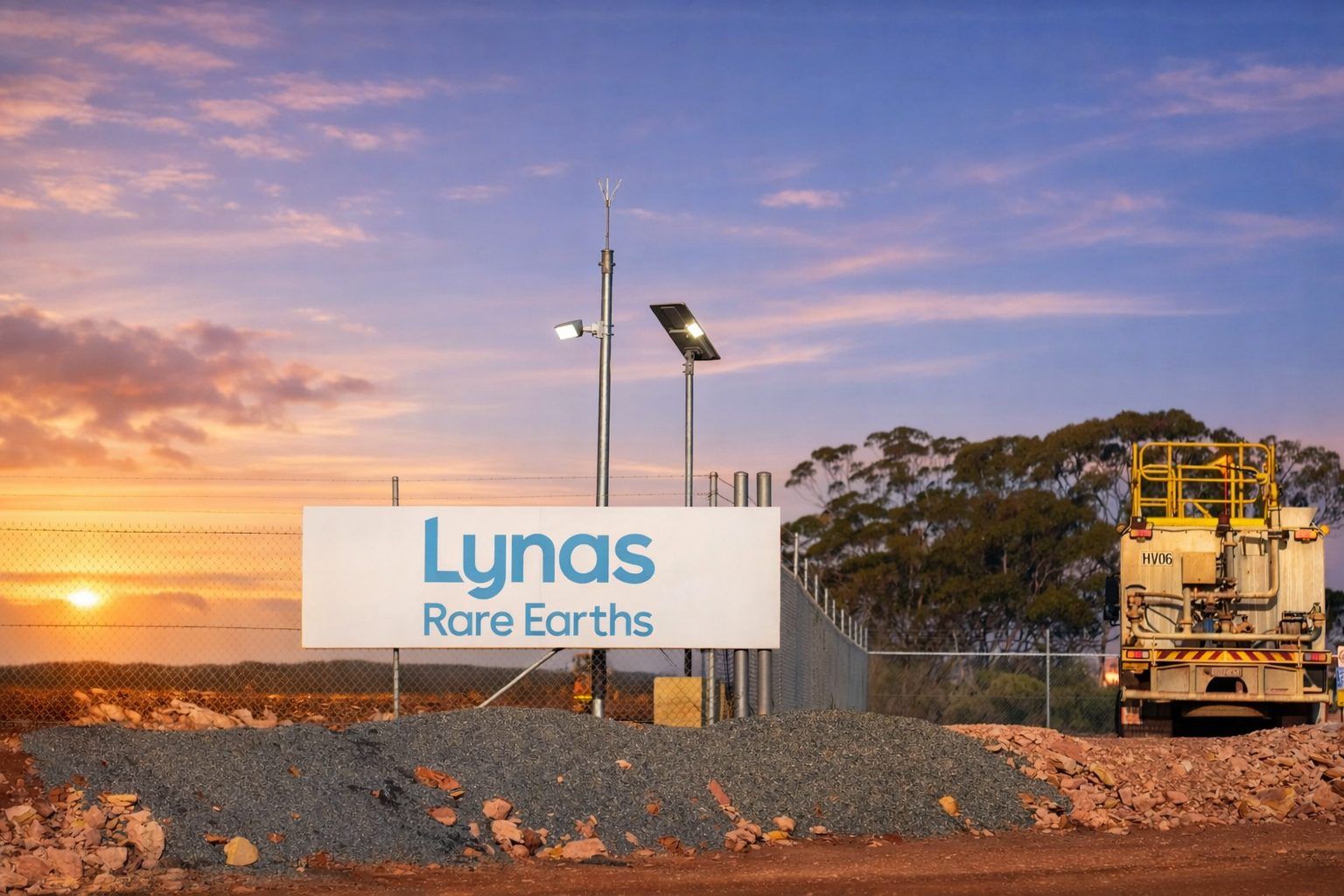
Lynas Rare Earths Limited shares jumped 14.5% on Wednesday to end at A$15.06, after new Chinese export controls on Japan pushed investors toward non-Chinese rare earth suppliers. Australia’s S&P/ASX 200 closed up 0.15%. Investing.com+1
The sharp move shows how quickly geopolitics is back in the driver’s seat for rare-earth stocks. Rare earths are a group of metals used in magnets for electric vehicles, wind turbines and defence equipment, and China dominates global processing.
China’s commerce ministry said on Tuesday it was banning exports of “dual-use” items to Japan for military use, effective immediately. Dual-use items are goods, software or technologies with both civilian and military applications, and can include rare earth elements used in drones and chips. Reuters
Japan’s Chief Cabinet Secretary Minoru Kihara called the measures “absolutely unacceptable and deeply regrettable” on Wednesday and said it was unclear what items would be targeted. Nomura Research Institute economist Takahide Kiuchi wrote that a three-month curb like that seen in 2010 could cost Japanese businesses 660 billion yen ($4.21 billion) and shave 0.11% off annual GDP; a year-long ban would knock 0.43% off GDP, he said. Reuters
The flare-up comes ahead of a Jan. 12 meeting in Washington where G7 finance ministers are set to discuss rare earth supplies, including possible price floors aimed at supporting investment outside China, three sources familiar with the matter said. The talks add to a policy push to build supply chains that rely less on China. Reuters
Lynas mines rare-earth ore at Mt Weld in Western Australia and processes it in Australia and Malaysia, selling products such as neodymium-praseodymium (NdPr) oxide used in permanent magnets. The praseodymium-neodymium oxide benchmark was up about 1.5% on Wednesday to around $77,843 a metric ton, according to Metal.com data. Metal.com
Moves elsewhere pointed to a wider re-pricing of supply risk: U.S.-listed MP Materials shares were up about 2% in after-hours trading.
But the rally rests on unanswered questions about how far the curbs will run, because Beijing has not listed the specific exports caught by the ban. Kihara said the impact on Japanese industry was yet to be determined, adding Tokyo would examine details and “consider any necessary responses,” CNN reported. KTVZ