
Sydney, Feb 20, 2026, 16:58 AEDT — Market shut its doors.
- Macquarie shares slipped, underperforming a Sydney session that was mostly flat to slightly weaker.
- Fresh focus on funding and capital after a new A$1.25 billion subordinated notes issue.
- Next week, traders are eyeing risk appetite, credit markets, and the steady stream of earnings reports.
Macquarie Group Ltd dropped 1.6% to close at A$219.39 on Friday, with shares dipping to A$218.05 at their lowest during what turned out to be a rough session for Aussie financial stocks.
Investors weighed a new capital-markets filing: Macquarie Bank has tapped markets for A$1.25 billion in subordinated notes, which will bolster its Tier 2 regulatory capital. The issue splits into A$400 million of fixed-to-floating rate notes and A$850 million in floating-rate notes, both maturing August 2036. Notably, both tranches are set up to convert into Macquarie Group shares if a “non-viability” event occurs. TipRanks
Risk appetite was missing. “Today feels like a good day to stay out of trouble,” said Brent Donnelly, president of Spectra Markets, with traders eyeing fresh anxiety over private-credit liquidity and escalating Middle East tensions. Reuters
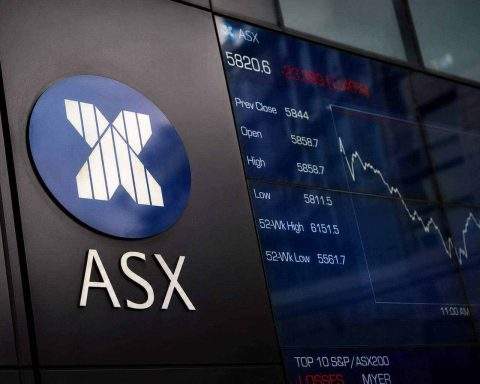
Australian shares slipped, the S&P/ASX 200 edging down 0.05% by the close. Not much cushioning for individual laggards today.
Bank stocks kept up their momentum through late February, with the S&P/ASX 200 Financials index pushing higher since the month began and hovering near all-time highs. Earnings season gave the sector a lift, even as some volatility lingered, according to a Market Index live wrap.
Tier 2 capital counts as a cushion that regulators let banks include in their capital requirements, though it ranks behind senior debt when it comes time for repayment. Put simply: it takes losses ahead of regular bank bonds if regulators intervene—that risk pushes investors to look for a higher yield.
The “cleansing notice” mainly affects the mechanics behind the scenes. It’s a disclosure move that lets any shares issued down the line — should the notes convert — trade freely without needing a new prospectus, which helps keep secondary-market liquidity flowing.
Equity holders get a complicated picture here. Yes, the notes give banks extra regulatory capital breathing room, but they also bulk up liabilities and highlight funding costs—right as markets grow edgy over credit and liquidity risks.
Macquarie’s got its full-year results lined up for May 8. Investors are watching for shares to go ex-dividend on May 18, with the dividend record date falling the next day, May 19, per the company’s investor calendar.
The risk is clear enough—wider credit spreads or a further pullback in risk appetite can hit bank capital instruments fast. That kind of move usually drags down financial stocks too, even if the spark comes from overseas.
As Monday trading kicks off, market participants are eyeing any signs the risk-off mood might let up. Bank funding markets will draw scrutiny, particularly after the deal, while investors weigh if reporting-season news drives flows toward—or out of—Australia’s top financial stocks.
Related articles: ASX:MQG