
Montevideo, May 7, 2026, 18:02 (UYT)
- MercadoLibre reported a 15.6% drop in first-quarter net profit to $417 million, with increased outlays for logistics, credit, and free shipping pressuring results. Revenue climbed 49%, reaching $8.8 billion.
- Gross merchandise value jumped 42% to $19 billion, with Mercado Pago users and credit both continuing to grow.
- MELI slipped roughly 4% after hours, erasing some regular-session gains, as traders zeroed in on the earnings shortfall.
MercadoLibre dropped in after-hours trading Thursday, as the Latin American e-commerce and fintech firm posted a first-quarter profit decline. That overshadowed a 49% surge in revenue, which still beat Wall Street’s forecasts. Results for the quarter ended March 31 landed after U.S. markets closed.
MercadoLibre is pressing investors to stomach lighter short-term profits as it pours money into expanding its dominance in e-commerce, payments, and lending. The stakes are higher now; recent selling has been fueled by worries over competitive threats, Latin American macro jitters, and thinner margins from ramped-up spending.
Net profit landed at $417 million, a 15.6% drop from the same period last year and short of what analysts were looking for, according to Reuters. Revenue, on the other hand, climbed to $8.8 billion—topping the $8.3 billion consensus and posting the fastest growth pace since Q2 2022.
Earnings per share landed at $8.23, falling short of the $8.50 analysts polled by FactSet had predicted and sliding from $9.74 in the same period last year, according to MarketScreener. Revenue, however, reached $8.85 billion, topping the FactSet consensus of $8.29 billion.
MercadoLibre pointed to increased costs tied to logistics, credit growth, and free shipping as the main drivers weighing on profit. “Opportunity is worth it,” said Leandro Cuccioli, senior vice president of investor relations, in comments to Reuters. The call: trade off current profit for a larger slice of the market down the road. Reuters
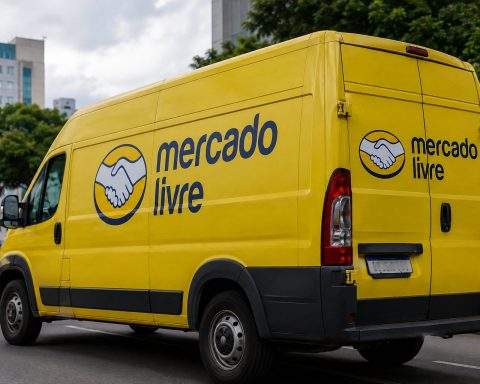
Brazil powered the gains. After dropping the free-shipping threshold in that market last year—a change Cuccioli called “here to stay”—unique buyers surged 32% year-over-year, marking the sharpest jump in five years. Items sold shot up 56%. Reuters
Mercado Pago, the company’s fintech unit—covering everything from payments to digital accounts and lending—kept up its rapid expansion. Monthly active users jumped 29% to 83 million. Net revenue for Mercado Pago hit $4 billion, a 51% increase. Customer assets on the platform soared 77%, closing in on $20 billion.
The loan book stands out as the main risk. MercadoLibre’s credit portfolio ballooned 87% to $14.6 billion, with its credit card segment jumping past double to $6.6 billion after issuing 2.7 million new cards. But if default rates climb or funding costs turn unfavorable, Mercado Pago’s growth could quickly reverse course.
Artificial intelligence didn’t dominate the headlines, but it showed up in the numbers. MercadoLibre pointed to AI as boosting conversion rates—turning browsers into buyers—in both Brazil and Mexico, according to Seeking Alpha. Before that, a Zacks preview distributed by Yahoo called attention to AI-powered campaign tools at Mercado Ads as something investors shouldn’t ignore.
Competition here is very real. MercadoLibre is up against Amazon.com and Temu, run by PDD Holdings, for a slice of the online retail market. Nu Holdings stands out as a main competitor on the digital finance side. But Derrick Irwin, who co-heads intrinsic emerging markets equity at Allspring Global Investments, told Barron’s he still sees MercadoLibre’s “long-term growth drivers remain intact.” For Vontobel’s Ryan Kerley, the company’s higher spend amounts to a “deliberate investment cycle.” Barron’s
James Friedman at Susquehanna stuck with his $2,400 price target before the numbers came out, Barron’s noted, calling the setup before earnings “good.” Still, after the report, investors seemed unconvinced—the market wants more assurance that growing expenses won’t drag margins down for longer. Barron’s
Cuccioli told Reuters the company isn’t looking at an IPO for Mercado Pago. That means payments, savings, and credit stay bundled inside MercadoLibre’s public equity narrative — a story now under pressure, with revenue jumping but profits sliding the other direction.
Related articles: NASDAQ:MELI