
NEW YORK, May 18, 2026, 14:05 EDT
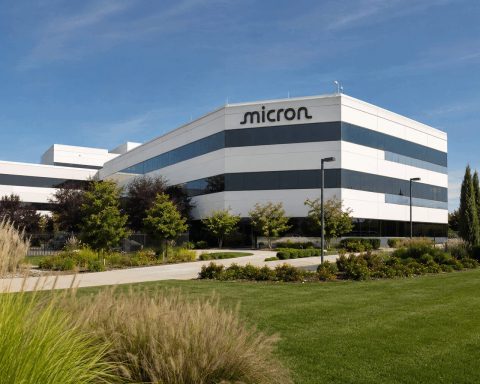
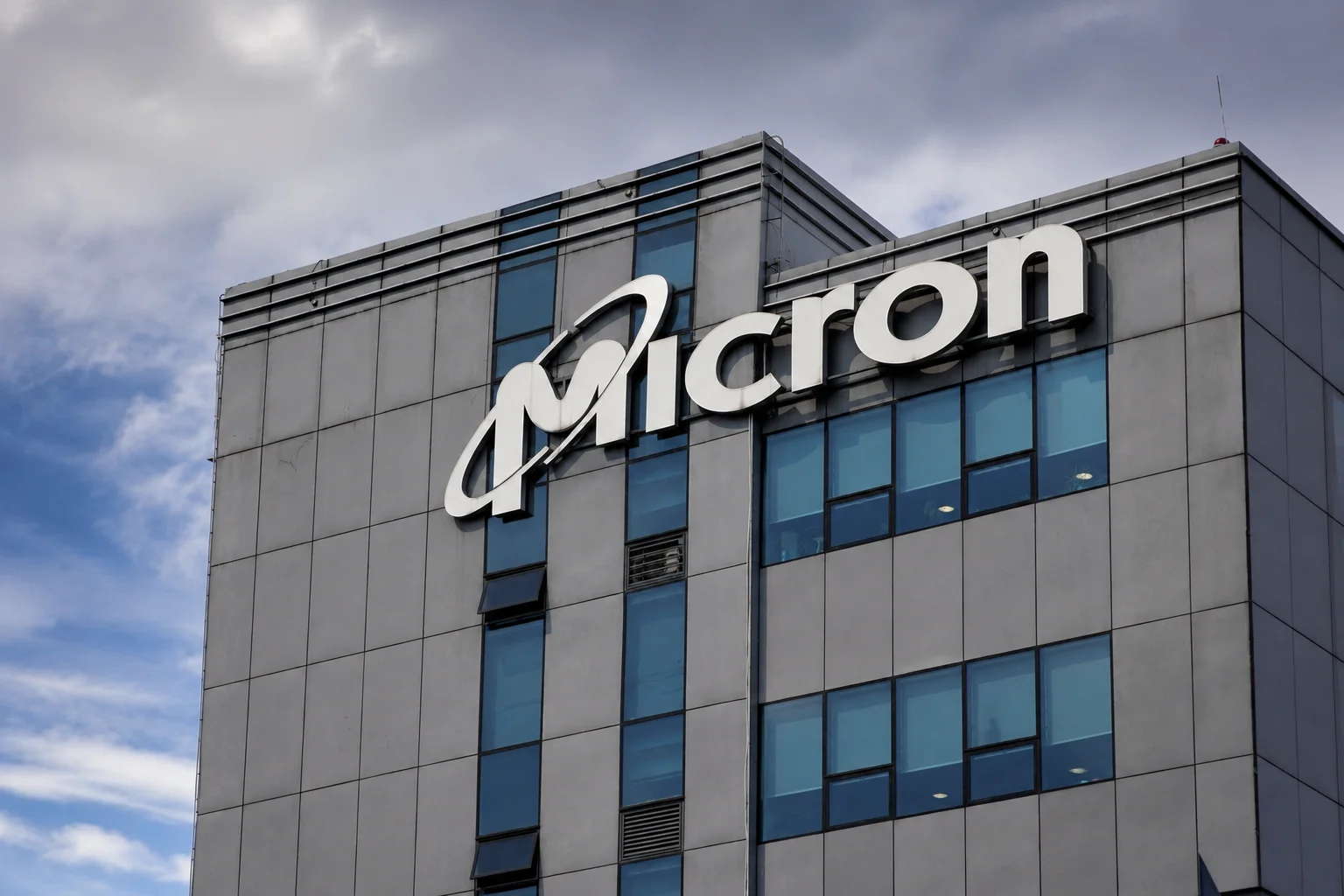
Micron Technology shares fell 6.4% to $678.30 in early afternoon trading on Monday, giving up an opening gain and touching a session low of $677.96 as investors cut exposure to one of the year’s hottest semiconductor trades. The stock opened at $749.24 after closing Friday at $724.66.
The drop matters because Micron sits at the center of the artificial-intelligence memory shortage, where tight supply has lifted prices and earnings expectations. It came on a weaker day for chips, with the Philadelphia semiconductor index down more than 2%, while Treasury yields — market rates on U.S. government debt that help set borrowing costs — climbed; Adam Turnquist, chief technical strategist at LPL Financial, said investors were asking “how much of an impact” rates and oil would have on markets. Reuters
Samsung Electronics and its union plan to resume talks on Tuesday to avert an 18-day strike set to start Thursday, Reuters reported. More than 45,000 workers could join the walkout at the world’s largest memory-chip maker, with the dispute tied to bonuses after a surge in profits from AI demand.
For Micron, the signal is messy. A Samsung strike could tighten supply of memory chips — components that store data in servers, phones and PCs — and support prices. Barron’s reported that Jefferies estimated a walkout could disrupt about 3% of global memory-chip production, while Micron’s shares were down more than 5% by midday after a 6.6% fall on Friday.
The competitive backdrop is narrow and intense. SK Hynix, Samsung and Micron have all told customers they are working on multi-year supply deals as big technology companies rush to secure memory capacity; Reuters reported this month that some customers had offered to invest in SK Hynix production lines, underscoring how scarce supply has become.
Micron’s own numbers explain why the stock had become crowded. In March, the company forecast fiscal third-quarter revenue of $33.5 billion, plus or minus $750 million, and non-GAAP diluted earnings of $19.15 a share, plus or minus 40 cents. It also guided for gross margin — profit left after production costs — of about 81%.
Analysts have been chasing the move higher. TD Cowen analyst Krish Sankar raised his Micron price target to $660 from $550 in late April and kept a Buy rating, with TheStreet citing him as writing that the stock’s “next leg” was about durability rather than another earnings surprise. TheStreet
Pressure was not limited to Micron. Nvidia fell 1.9%, Advanced Micro Devices lost about 2.0% and Broadcom dropped 1.6%, keeping the selloff tied to the wider AI-chip trade rather than one memory name alone.
Oliver Pursche, senior vice president and adviser at Wealthspire Advisors, told Reuters that uncertainty over Taiwan partly explained the chip selloff, given its importance to semiconductors, and added that investors were also taking “profits.” Nvidia’s results this week are another test for a sector that has run hard on AI infrastructure spending. Reuters
But the downside case is still clear: if Samsung reaches a deal, the supply-squeeze premium may fade; if a strike spreads disruption through customers and quality checks, the broader chip chain could suffer; and if yields keep rising, investors may pay less for future earnings from high-growth semiconductor names.
For now, Micron is trading less like a quiet memory supplier and more like a live gauge of the AI buildout. The next turn is likely to come from Seoul, where Samsung talks resume Tuesday, or from Nvidia’s earnings later in the week.
Related articles: NASDAQ:MU