
New York, June 7, 2026, 18:02 (EDT)
- Walmart rose 0.97% on Friday and gained about 2.7% for the week, even as the S&P 500 slid 2.64% in a broad selloff.
- The weekend setup puts focus on Monday’s reopening, fuel-price pressure on shoppers, and Walmart’s push into AI-backed delivery.
- Investors also face a valuation risk: Walmart trades at about 42 times earnings, leaving less room for disappointment.
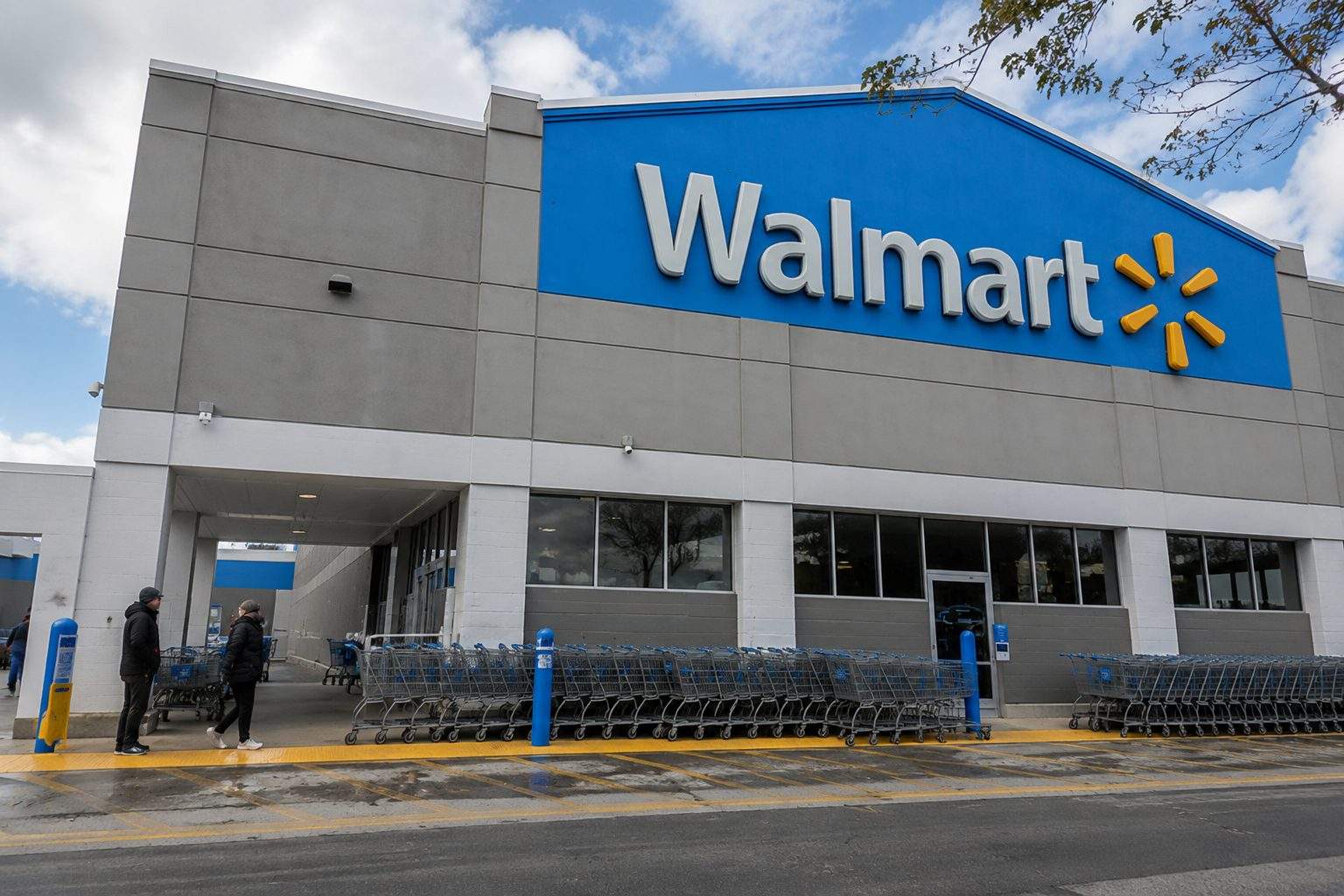
Walmart Inc. shares ended last week higher while Wall Street sold off, giving the retailer a defensive look as investors moved past a sharp technology-led break in the market. The stock closed Friday at $118.88, up 0.97% on the day and about 2.7% above the previous Friday’s close.
U.S. stock trading was closed Sunday, with Nasdaq’s regular session running Monday through Friday from 9:30 a.m. to 4:00 p.m. Eastern time. That makes Monday’s open the next test of whether Walmart’s gain was a one-day haven trade or a sturdier bet on groceries, value and automation.
The timing matters. Wall Street’s nine-week rally broke Friday after stronger-than-expected U.S. jobs data hit hopes for easier Federal Reserve policy, with the S&P 500 down 2.64%, the Dow off 1.35% and the Nasdaq down 4.18%. Consumer staples — companies that sell everyday goods such as food and household items — led sector gainers as technology shares sank.
Walmart’s own story is not just “cheap groceries” anymore. The company said first-quarter revenue rose 7.3%, global eCommerce sales increased 26%, and Walmart U.S. comparable sales — sales from stores and digital channels open at least a year — rose 4.1%, excluding fuel. Walmart News & Leadership
The retailer is leaning harder into automation and artificial intelligence, or software that can perform tasks that usually need human judgment. Walmart said about half of its U.S. eCommerce fulfillment center volume is automated, and it said digital growth was being helped by stores and clubs used as fulfillment points.
That strategy drew scrutiny last week. Walmart shareholders rejected a proposal asking for a report on how AI is affecting workers, Reuters reported. Josh Allen, Walmart’s head of frontline training, said the company’s AI approach stresses “responsible use and human judgment,” adding that AI learning should “build confidence, not pressure.” Reuters
At the company’s annual meeting, Walmart said about 89.88% of outstanding shares were represented and investors approved all company-backed proposals, including the election of 11 directors. Chief Executive John Furner told shareholders Walmart was “well positioned for what comes next,” a short line investors may read against the larger handoff to a more tech-heavy retail model. Walmart News & Leadership
Competition is pressing the point. Walmart added Subway meals to its express delivery service and plans to expand the offering to about 1,400 stores by late summer, part of its fight with Amazon for faster delivery. Tracy Poulliot, Walmart’s executive vice president of U.S. e-commerce and marketing, called Subway “a great starting point.” Reuters
Amazon, meanwhile, has moved Prime Day to June 23-26, keeping the sale at four days and putting more focus on groceries and fast delivery. Target remains a closer bricks-and-mortar comparison, while Costco and Walmart’s Sam’s Club are drawing shoppers to cheaper fuel as gasoline costs pinch household budgets.
Fuel is the awkward piece in the bull case. Walmart Chief Financial Officer John David Rainey told analysts that Walmart and Sam’s Club customers bought less than 10 gallons of fuel per trip for the first time since 2022; “That’s an indication of stress,” he said. AP News
Analysts are watching whether that stress turns into lost spending. Michael Gunther, senior vice president at Consumer Edge, told Reuters consumers are “clearly shifting behavior,” and said high gas prices through summer and back-to-school could pressure discretionary spending, meaning nonessential purchases such as apparel and home goods. Reuters
But the trade can still go wrong. Walmart’s share price implies a price-to-earnings ratio of about 41.7, meaning investors pay nearly $42 for each $1 of trailing earnings, and that leaves the stock exposed if fuel costs, food inflation or AI labor pushback eat into margins.
For the week ahead, the question is narrow: whether investors keep paying a premium for Walmart’s mix of value retail, automation and delivery speed after Friday’s market jolt. A steadier tape could help. Another jump in yields or oil prices would make the stock’s defensive badge harder to carry.
Related articles: NYSE:WMT