
New York, May 31, 2026, 16:04 (EDT)
- Walmart ended a holiday-shortened week down about 3.8%, capped by a 2.65% Friday drop to $115.75.
- The stock lagged a record-setting Wall Street session as investors sold some consumer-staples names.
- The week ahead turns on fuel costs, U.S. economic data and how much margin protection Walmart can show.
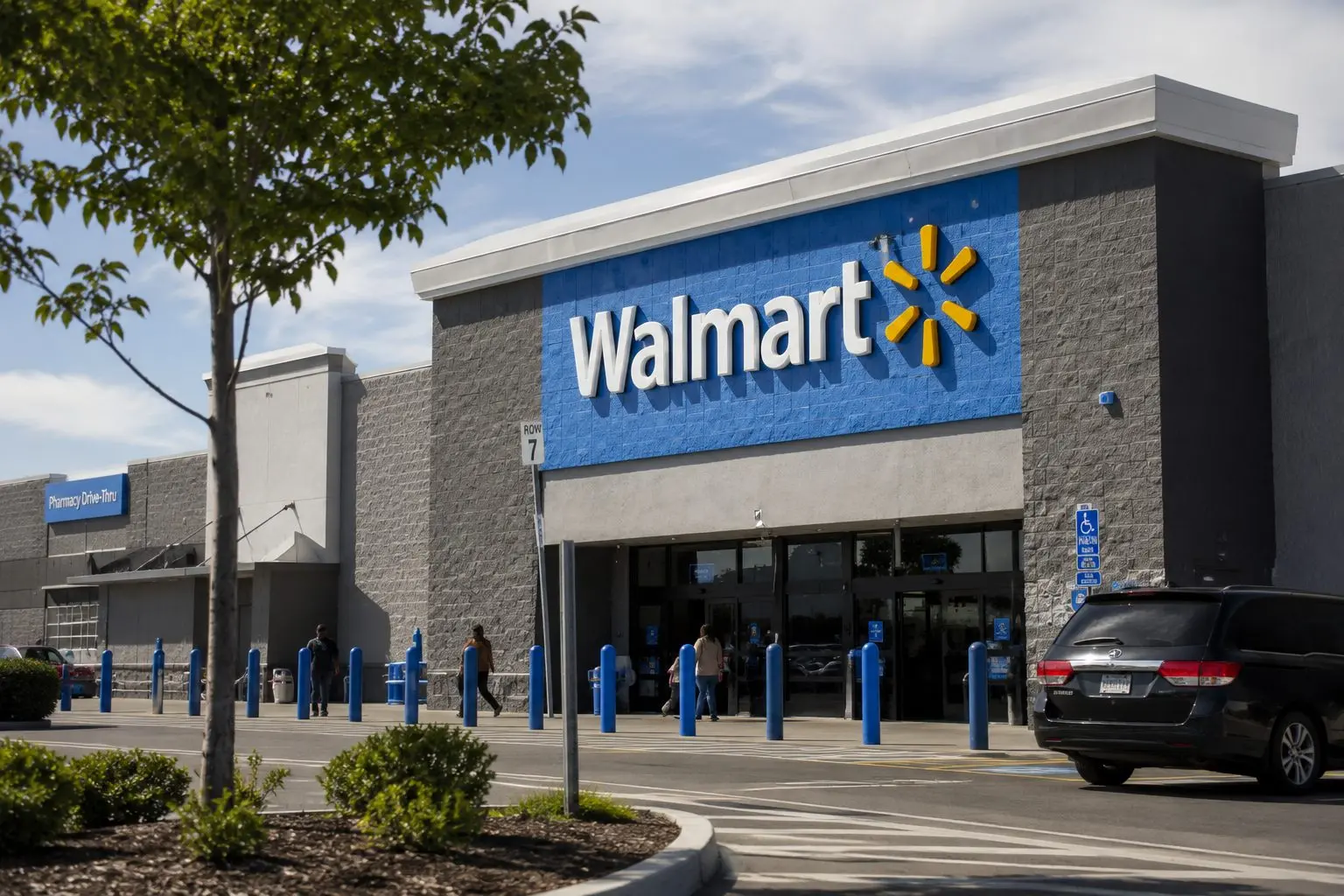
Walmart Inc. shares go into Monday’s U.S. open bruised, not broken, after a holiday-shortened week in which the stock fell about 3.8% from the prior Friday close and ended May 29 at $115.75. The Friday slide, 2.65%, came even as the S&P 500, Nasdaq and Dow closed at records.
That is the point for investors now. The broader tape is still working, but Walmart is being judged on something narrower: whether strong traffic and online growth can outrun fuel, delivery and healthcare costs.
U.S. markets were shut Sunday, and the New York Stock Exchange normally trades Monday to Friday from 9:30 a.m. to 4 p.m. Eastern time. Last week was shortened by the Memorial Day market holiday on May 25, leaving Monday’s open as the first chance to trade the latest filing and the late-week selloff.
Demand was not the main worry. Walmart reported first-quarter revenue of $177.8 billion, up 7.3%, with global e-commerce sales up 26%. Walmart U.S. comparable sales, a gauge of sales from established stores and digital channels, rose 4.1% excluding fuel.
The rub was profit quality. Operating income rose 5%, but Walmart said higher fuel costs in distribution and fulfillment cut growth by 250 basis points; a basis point is one-hundredth of a percentage point. The company guided second-quarter adjusted earnings per share to 72 cents to 74 cents and left its fiscal 2027 adjusted EPS outlook unchanged at $2.75 to $2.85.
Chief Executive John Furner said in Walmart’s earnings release that the company was pushing “faster delivery” and “higher-margin commerce solutions.” That helped explain why the retailer is still leaning into online orders, advertising and membership fees even as the market questions the cost of serving those orders.
Bryan Hayes, stock strategist at Zacks Investment Research, was more blunt after the earnings reaction. An affirmed full-year outlook was “not enough to push shares higher,” Reuters quoted him as saying; he also said Walmart’s transaction growth showed it was taking real traffic share, not just riding higher prices. Reuters
Finance chief John David Rainey gave the risk in plainer terms. If costs stay elevated, he said Walmart would expect “somewhat higher retail price inflation” later this year; he also acknowledged the company was “not bulletproof” against the economy. Reuters
A Friday quarterly filing added items for investors to parse. Walmart said it had $28.2 billion left under its share-repurchase authorization after buying back $2.1 billion of stock in the first quarter, while Furner adopted a Rule 10b5-1 trading plan — a preset executive stock-trading plan — to sell up to 236,250 shares from September 2026 through February 2028.
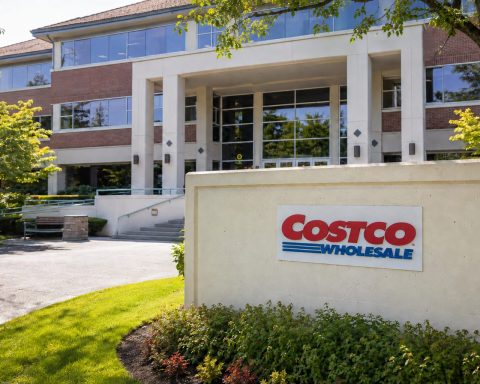
The competitive read-through was mixed. Costco also fell Friday, down 3.9%, and its own results showed budget-minded shoppers turning to lower-priced fuel, a reminder that value retailers can gain trips while still facing margin pressure. Target and grocers remain the comparison set, but only where the issue is the same: a consumer hunting value and companies trying not to give away too much margin.
For the market, next week brings a broader test. U.S. jobs data and ISM manufacturing and services surveys are due in the week of June 1, with investors watching whether labor and price data harden the case for tighter Federal Reserve policy.
But the risks are not one-way. If fuel prices ease, Walmart’s scale and traffic gains could steady the stock; if energy, tariffs or weak consumer confidence worsen, the company may have to absorb more cost or lift prices. Walmart’s filing pointed to tariffs, inflation, fuel-price volatility, supply-chain pressure and consumer spending as factors that could hit results.
So Monday is less about whether Walmart can sell groceries. It can. The question is how much profit is left after it gets them to the shopper.
Related articles: NYSE:WMT


![Asia Stock Market Today 23/08/2026 [UPDATE: 08:08 SGT] [Yield Shock Splits Asia: Weekly Recap and Week Ahead]](https://ts2.tech/wp-content/uploads/2026/08/Asia-market-dashboard-2026-08-23-0808-480x384.jpg "Asia Stock Market Today 23/08/2026 [UPDATE: 08:08 SGT] [Yield Shock Splits Asia: Weekly Recap and Week Ahead]")