
New York, May 15, 2026, 11:02 EDT
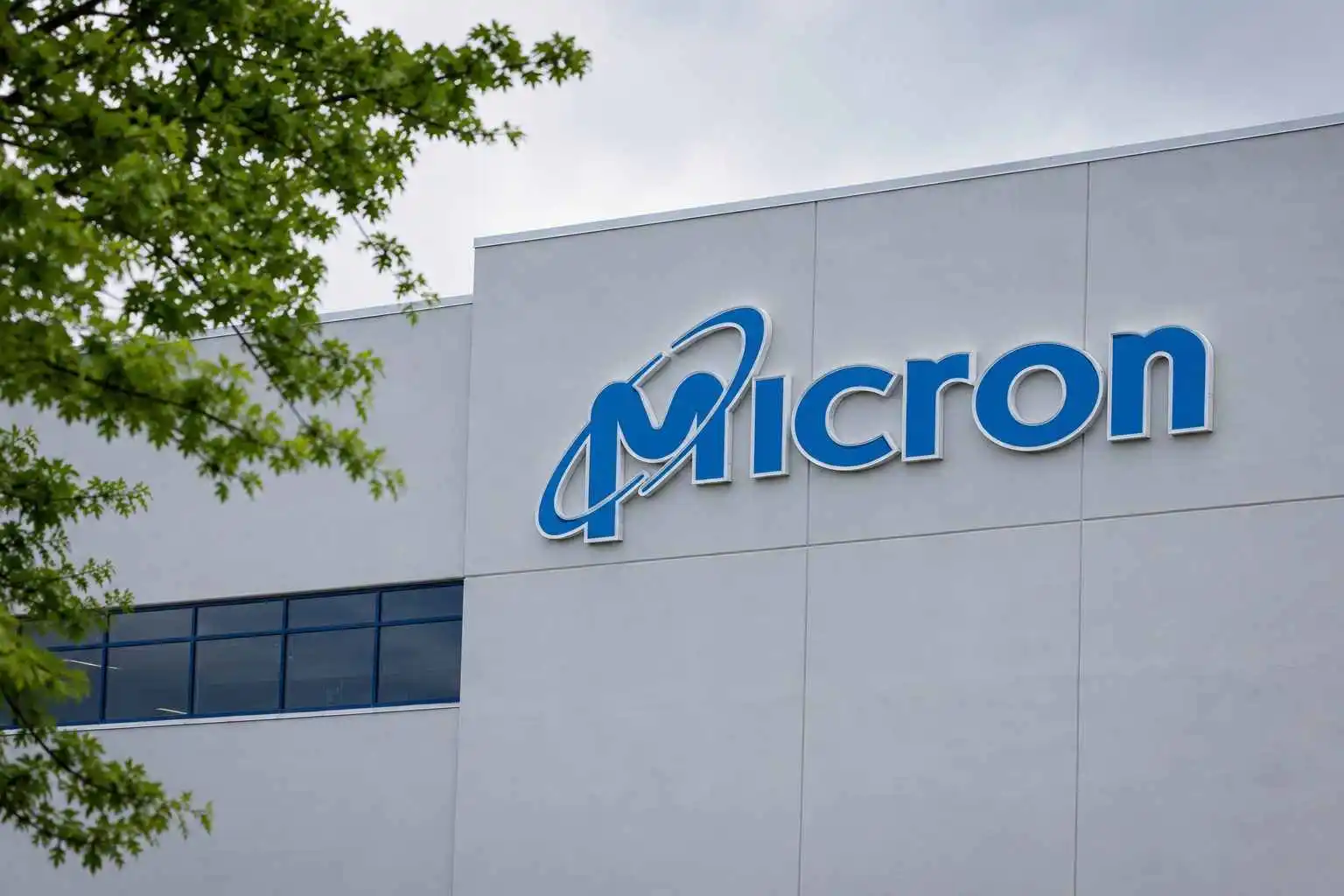
- Micron shares dropped roughly 5% by late morning in U.S. trade, knocking its market cap down to around $838 billion.
- Samsung’s labor union is sticking with its planned 18-day strike, casting uncertainty on the outlook for memory-chip supplies.
- Bank of America bumped up its Micron price target to $950 this week, citing AI-fueled demand for memory chips.
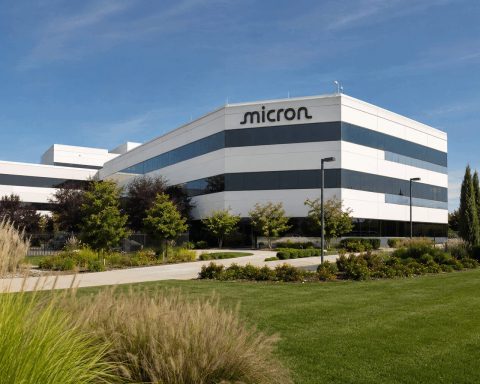
Micron Technology Inc. shares fell Friday, with investors cashing out gains after a standout year for AI-linked trades. Traders were also eyeing the potential for a strike at Samsung Electronics, the top memory-chip producer globally.
Micron shares slipped 5.2% to $735.74 by late morning, having started lower and hitting a session low of $719.52 earlier. At those levels, the Boise, Idaho chipmaker carried a market cap around $838 billion.
Right now, memory chips are a bottleneck for AI expansion. A work stoppage at Samsung could send more business—possibly at higher prices—to competitors like Micron and SK Hynix. But if labor talks wrap up fast, that extra supply-risk markup might not stick around.
Samsung’s main union in South Korea intends to move ahead with an 18-day strike from May 21, despite the company offering to reopen pay negotiations. Shares in Samsung dropped up to 9.3% after the news, according to Reuters, with analysts flagging heightened supply and delivery risks. NH Investment & Securities’ Ryu Young-ho said the situation could open a door for rivals to grab market share.
The retreat follows a sharp adjustment in Wall Street’s outlook. BofA Securities’ Vivek Arya bumped Micron’s price target up to $950 from $500, sticking with his Buy call. The firm’s case? AI-driven demand is expected to keep memory supplies tight.
Micron makes DRAM and NAND memory—its main lines. DRAM handles short-term tasks for servers and gadgets. Then there’s high-bandwidth memory, or HBM, a pricier, stacked version that delivers data at speed to AI processors. As companies ramp up AI systems, demand for memory packed close to the chip just keeps climbing.
Micron is looking to prove that demand extends beyond what’s priced in on Wall Street. Back on May 12, the company announced it had sampled a 256GB DDR5 RDIMM—a memory module for servers—to select partners in the server ecosystem. Raj Narasimhan, head of Micron’s cloud memory unit, pointed to “capacity, bandwidth, and power” as key factors driving AI efficiency. Micron Technology
The numbers tell the story: Micron pulled in $23.86 billion in revenue for its fiscal second quarter, a sharp rise from $8.05 billion a year ago, and it’s aiming even higher—$33.5 billion for the third quarter. CEO Sanjay Mehrotra called memory a “strategic asset” for customers. Micron Technology
The race is crowded. SK Hynix is closing in on a $1 trillion market cap, Reuters reported Thursday, after its stock surged more than 200% this year—thanks to robust demand for both traditional memory and HBM chips critical to AI servers. Some analysts told Reuters that Samsung’s labor strife might push buyers toward SK Hynix, Micron, and TSMC instead, but warned that a prolonged strike could ripple through the entire supply chain.
Fresh cash continues to pour into the sector. U.S. equity funds raked in $22.37 billion for the week ending May 13—the biggest haul in three weeks—while technology funds snagged a record $8.51 billion, LSEG Lipper data showed, as reported by Reuters.
The risk is right in front of investors. Semiconductor stocks have surged, but if AI investment loses momentum, memory inventory builds, or Samsung sidesteps major hiccups, Micron’s price momentum could falter. Reuters noted this week that shares of both Micron and AMD have more than doubled since March ended. Still, some investors flagged that the semiconductor rally might be getting ahead of itself.
Micron’s fate hinges on two moving parts right now: the pace of cloud spending on AI gear, and the looming Samsung labor action next week. The former underpins the bull case. The latter—potentially a jolt for the near term—has investors adjusting their bets.
Related articles: NASDAQ:MU




![UK Stock Market Today 28/08/2026 [UPDATE: 08:45 BST] [3i and Miners Lift FTSE Ahead of Warsh Speech]](https://ts2.tech/wp-content/uploads/2026/08/UK-market-dashboard-2026-08-28-0842-480x384.jpg "UK Stock Market Today 28/08/2026 [UPDATE: 08:45 BST] [3i and Miners Lift FTSE Ahead of Warsh Speech]")