
NEW YORK, May 11, 2026, 04:05 EDT
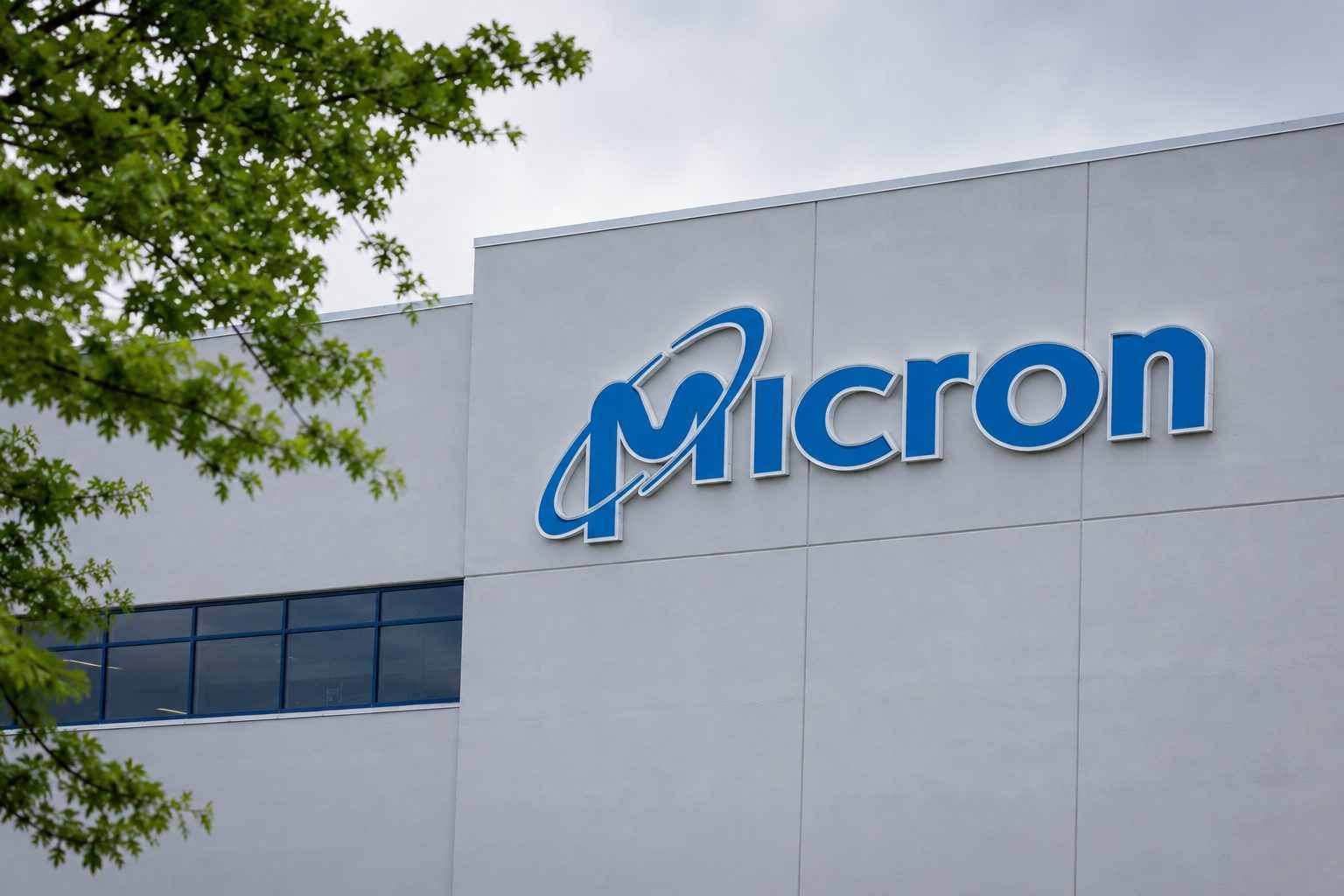
Micron Technology Inc. goes into Monday fresh off a Friday close at $746.81, a 15.49% surge as buyers rushed into memory-chip stocks linked to the accelerating AI data center expansion. That final price tag lifts the Boise, Idaho firm’s market cap to roughly $853 billion.
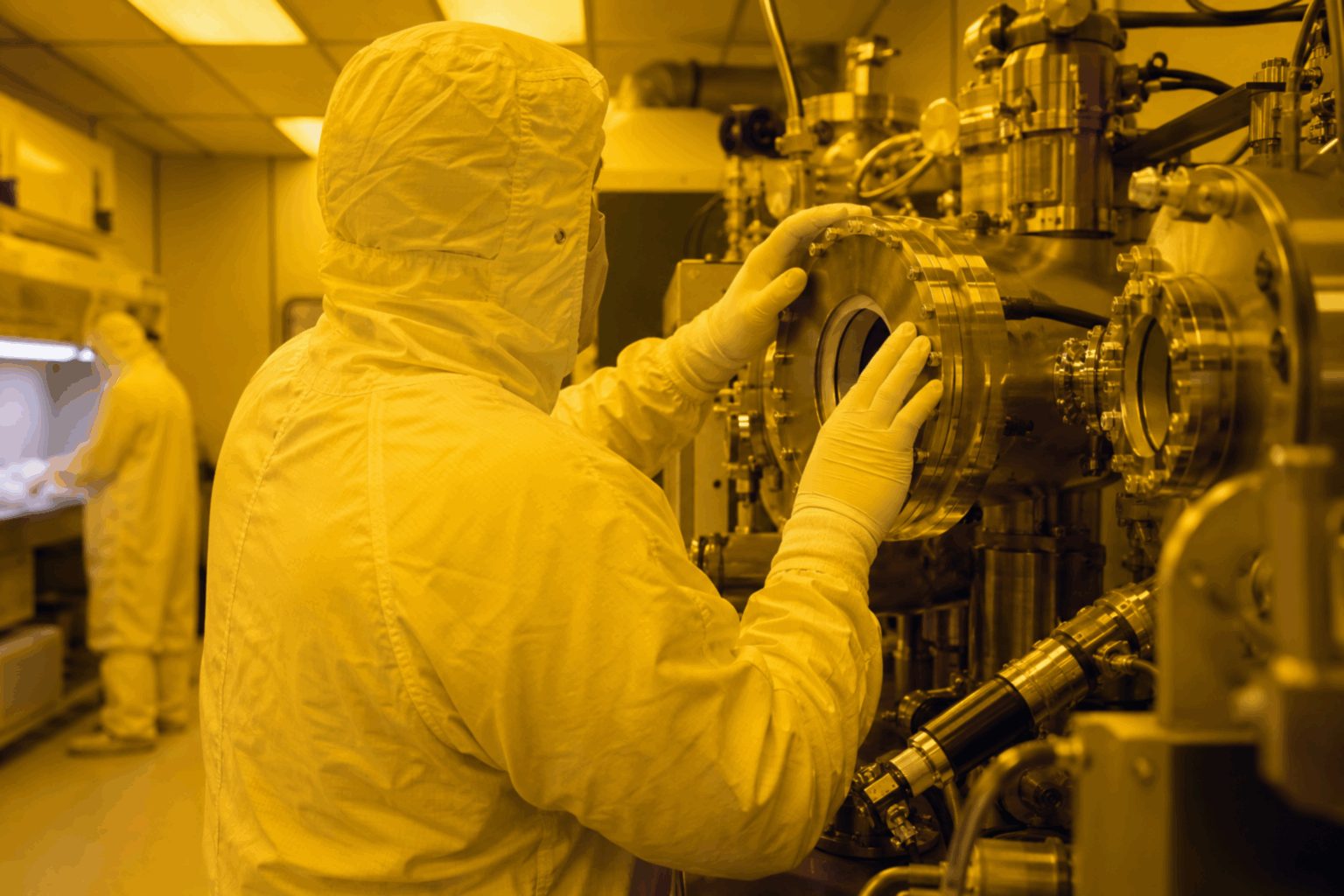
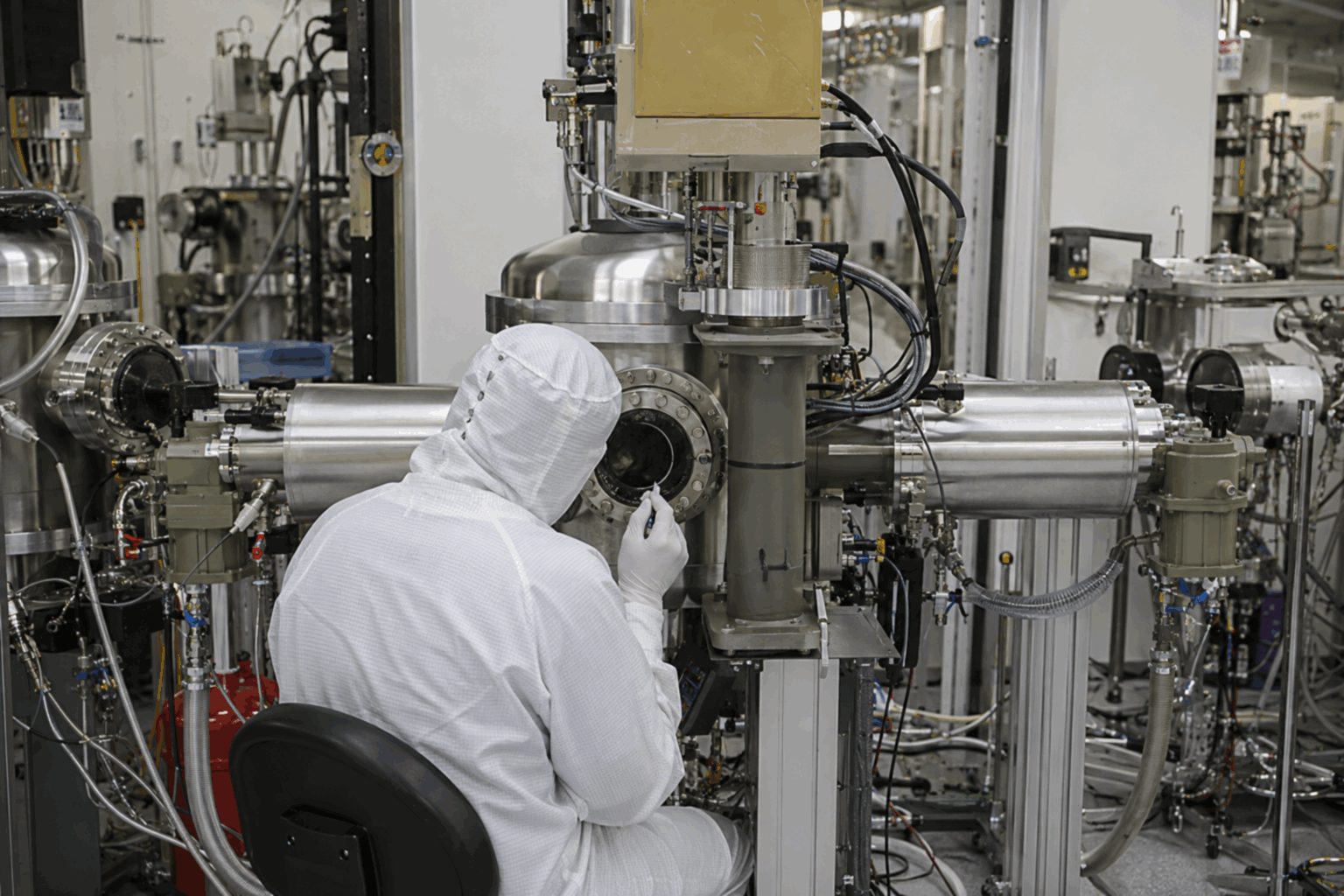
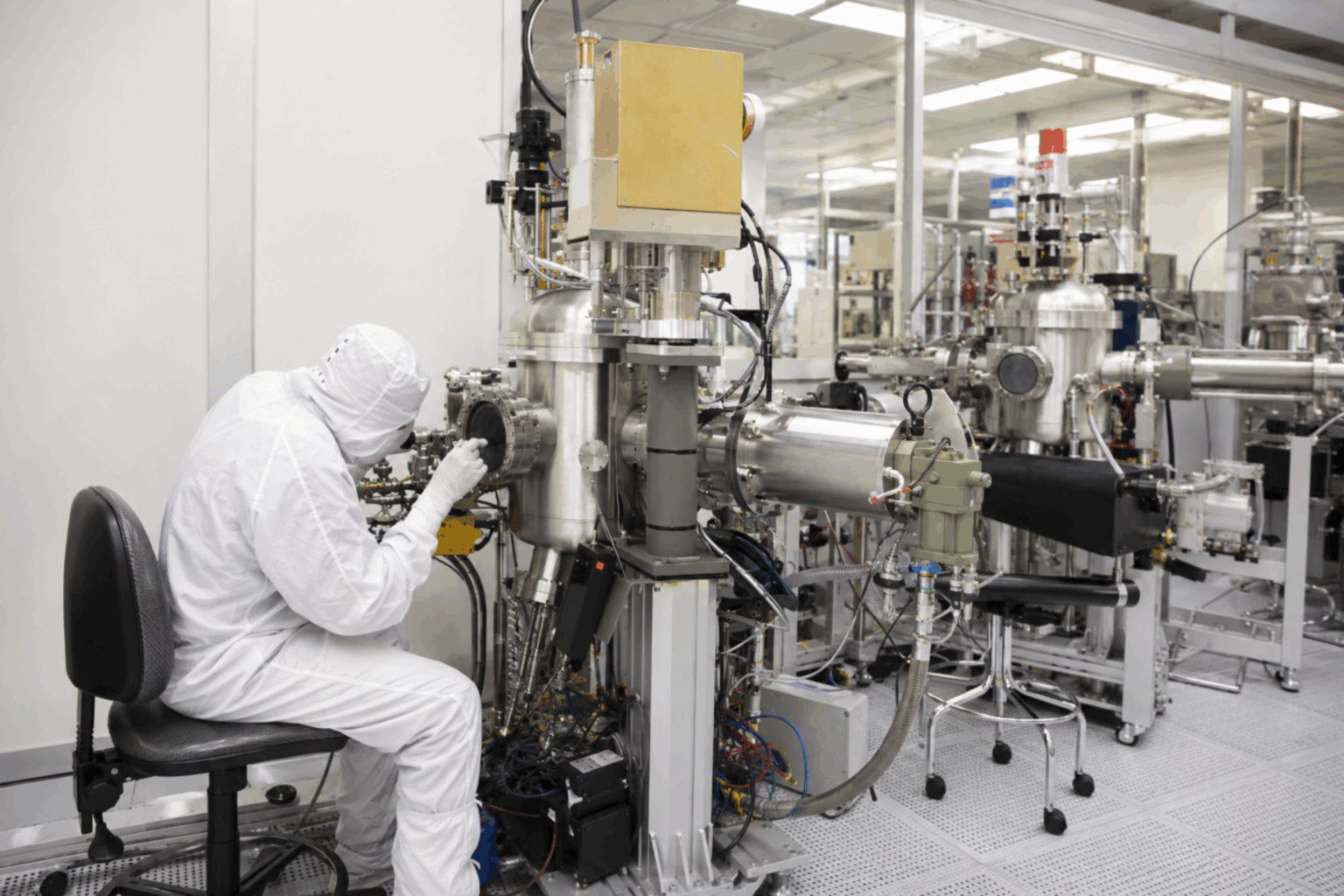
This shift is grabbing attention because the AI trade isn’t just about processors anymore; now, the focus is on the memory that keeps them fed. High-bandwidth memory, or HBM — that’s stacked DRAM, the kind of short-term memory chips rely on — lets AI processors handle data faster. “Memory chips are the AI bottleneck,” Roundhill CEO Dave Mazza told Business Insider. Saxo strategist Ruben Dalfovo chimed in, pointing out that inference demands “speed, bandwidth and power efficiency, not just raw compute.” Business Insider
Micron handed investors concrete figures instead of just a story. Fiscal second-quarter revenue landed at $23.86 billion, and the company’s outlook for the third quarter calls for $33.5 billion in revenue, give or take $750 million, with gross margin expected near 81%. “Memory had become ‘a strategic asset’ for customers,” Chief Executive Sanjay Mehrotra told analysts. Micron Technology
Micron didn’t drive the surge by itself. Reuters noted Friday that shares of both Micron and Sandisk—major players in memory and storage—jumped over 15% apiece. The S&P 500 and Nasdaq both finished at record levels, and the Philadelphia Semiconductor Index has shot up 55% in the second quarter so far.
Micron wants to make it clear that AI demand isn’t just about HBM. On May 5, the company said it started shipping its 245-terabyte 6600 ION SSD—a flash-based solid-state drive built for data centers. “AI workloads are driving massive growth in shared data,” according to Jeremy Werner, who heads Micron’s Core Data Center Business Unit. Micron Technology
Still, risks stand out. In its most recent quarterly filing, Micron flagged tough competition in memory and storage—pointing to Samsung Electronics, SK hynix, and Sandisk as key rivals. The company also cautioned that swings in AI demand could be substantial. High memory prices, it warned, might drive customers to trim memory content, adjust product designs, or look elsewhere.
The filing highlights a familiar challenge that tends to flare up when markets heat up: supply and demand are rarely in sync. When demand outpaces Micron’s projections, ramping up supply could prove tough. On the flip side, if demand falters, cutting costs in a hurry isn’t guaranteed.
The next investor update is just around the corner. According to Micron’s IR calendar, the company will present at the J.P. Morgan Global Technology, Media and Communications Conference on May 20 at 8:40 a.m. EDT. Investors are expected to push for specifics on HBM allocations, pricing, and capital expenditure.
Scarcity’s the main story in pricing right now. Monday’s action should clarify if investors still peg Micron as just a short-cycle memory play, or if they’re ready to view it as a supplier riding the AI wave—where demand for bandwidth, storage, and capacity keeps ratcheting higher.
Related articles: NASDAQ:MU





![UK Stock Market Today 24/08/2026 [UPDATE: 08:55 BST] [Gold Miners Cushion FTSE as AstraZeneca and Oil Majors Slide]](https://ts2.tech/wp-content/uploads/2026/08/UK-market-dashboard-2026-08-24-0855-480x384.jpg "UK Stock Market Today 24/08/2026 [UPDATE: 08:55 BST] [Gold Miners Cushion FTSE as AstraZeneca and Oil Majors Slide]")