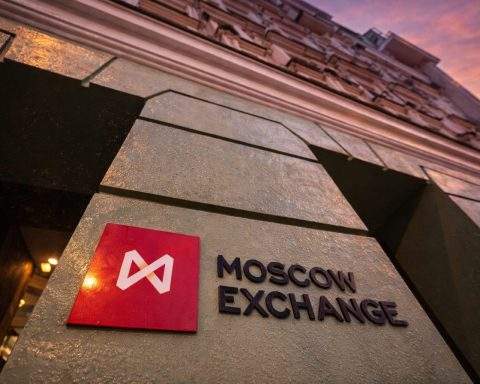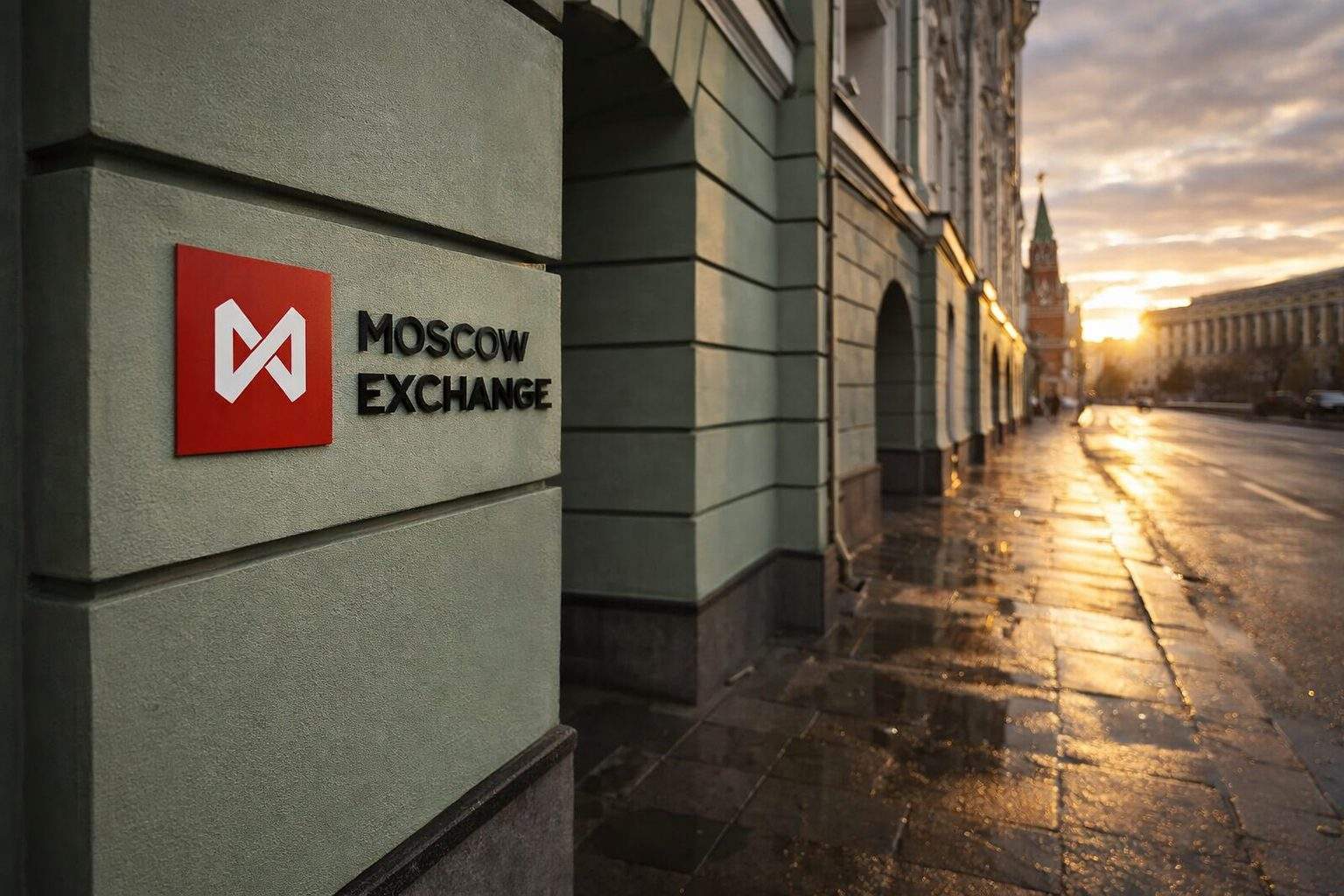
Moscow, February 28, 2026, 11:28 (MSK) — The market has closed.
- MOEX Russia Index wrapped up Friday at 2,799.14, rising 0.49% for the session and roughly 0.7% over the week.
- Late-week gains for metals and energy stocks followed a jump in crude, as Middle East tensions flared again.
- As Monday approaches, investors are eyeing OPEC+ for the March 1 event, while attention also shifts to Moscow’s stance on the fiscal rule and any adjustment to FX sales.
Russian stocks wrapped up the week in positive territory. The MOEX Russia Index (.IMOEX) climbed 0.49% on Friday, closing at 2,799.14—a level last seen roughly three months ago. Rusal and Surgutneftegas preferred shares pulled the index higher. Ozon, on the other hand, ended the session with losses. Investing.com
The Moscow Exchange will stay closed through the weekend. Trading picks up again Monday. For now, crude prices and the ruble remain the main drivers for traders.
The main point right now: exporters still hold sway over the benchmark, and even minor changes to the budget rule have the power to jolt the rouble. Exporters usually see a bump in rouble-denominated earnings when the currency slips, though that same drop can push up inflation and make cutting rates trickier.
The MOEX index advanced roughly 0.7% since last Friday’s close. The RTS index (.IRTS), priced in dollars, barely budged, finishing at 1,141.13. For the past year, the rouble-based benchmark has fallen about 12.5%, according to index figures. Investing.com
Oil threw its weight around Friday, with Brent jumping 2.45% to $72.48 a barrel after news that the U.S. and Iran would keep talking. Still, nerves lingered over a possible strike. “Uncertainty prevails, fear is pushing prices higher today,” said Tamas Varga of PVM. DBS’s Suvro Sarkar pointed to a geopolitical premium in the $8-$10 range. OPEC+ is eyeing a 137,000 bpd hike for April when it meets on March 1. Reuters
Finance Minister Anton Siluanov, speaking in Moscow, said more oil revenue will be funneled into the National Wealth Fund as the deficit grows. “Possibly, considering the external conditions, the (budget) indicators might be slightly adjusted,” Siluanov told reporters. A decision on the $59-per-barrel cut-off price—used to determine when excess oil income gets saved instead of spent—could be made within two weeks, he added. Reuters
The rouble debate intensified the next day. Sberbank’s German Gref weighed in, predicting the currency might slide to roughly 100 per U.S. dollar by year-end—down from the current level near 77. Gref called a robust rouble “counterproductive.” Over at Alfa Bank, analysts flagged a pullback in state FX sales, saying that shift could sap some of the rouble’s budget-driven support. Reuters
Export-heavy sectors like oil, metals and chemicals tend to benefit when the rouble weakens, lifting the overall index. But there’s a catch: import bills swell and domestic inflation can flare up again. For investors, that trade-off is front and center, and pricing it is anything but linear.
Risk around companies was still making news. The U.S. has pushed back its deadline for buyers to close deals on Lukoil’s overseas assets, sources tell Reuters, with the original Feb. 28 cutoff now moved to April 1. The extension, tied to pressure over Ukraine peace negotiations, gives parties more time to finalize transactions. Reuters
The Bank of Russia’s key rate holds at 15.5%. Next up: a board meeting to review the benchmark, slated for March 20, according to its calendar. Central Bank of Russia
The market spent the week pressuring crude, closing with heavy bets there. Exporters that lifted the index could feel the pinch if oil backs off — maybe diplomacy cools supply nerves, or OPEC+ shifts its output stance. A rapid rouble decline would bring inflation risk, likely delaying rate cuts even more.
Monday’s open puts oil in focus, coming off the March 1 OPEC+ gathering, while traders scan local news for any signs on the fiscal rule or state FX sales. The next set date on the calendar: the central bank’s rate decision, due March 20.