
Budapest—May 5, 2026, 23:04 CEST.
- FINRA has launched a review into Morgan Stanley’s Budapest investment-banking analyst program, following whistleblower complaints about licensing, supervision, and how client data is handled.
- This issue strikes at the core of a cost-cutting strategy that shifted entry-level deal assignments to Budapest, just as Wall Street eyes a more active deal landscape in 2026.
- Morgan Stanley was last seen trading at $189.25, marking a 0.7% rise on the day.
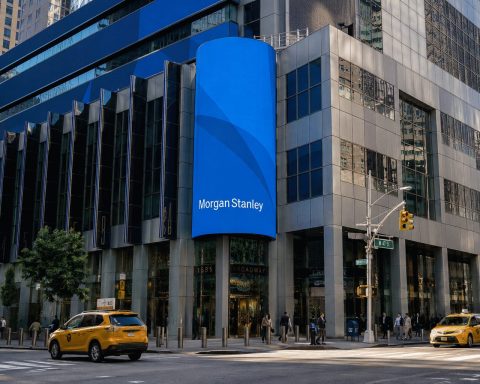
The Wall Street Journal says Morgan Stanley’s Budapest-based investment-banking analyst program is facing a probe from FINRA, the U.S. brokerage regulator, over allegations that junior bankers in Hungary were involved in U.S. and European client deals without the necessary licenses.
The probe is still in its early stages, yet the timing isn’t great. Banks have increasingly shifted higher-value work to cheaper hubs, but for Morgan Stanley, regulators are scrutinizing whether that support work slipped into areas requiring licensed bankers and stricter oversight.
A whistleblower who used to work at the bank reached out to FINRA, according to the Journal, and accused staff in the program of lacking required licenses while also claiming the bank mishandled confidential client and transaction data—both potential violations. Reuters, which cited the Journal for these details, said it was unable to independently confirm the information. Morgan Stanley gave no immediate comment to Reuters outside normal hours. FINRA also declined to comment.
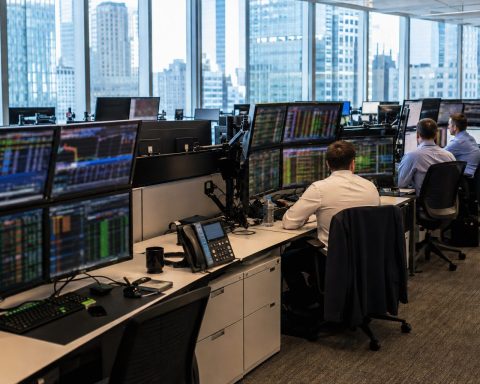
Morgan Stanley picked up analysts from various parts of Europe in 2024, aiming to bolster its New York and London squads while keeping expenses down, according to the Journal. These analysts were tasked with building financial models, handling pitch decks, and occasionally working on transactions; the team now numbers roughly 40, the Journal said.
FINRA wants details on the Budapest bankers’ job duties, their level of client interaction and the way oversight was handled, according to Reuters. The Journal noted the whistleblower flagged issues with know-your-customer, or KYC, checks—the process banks rely on to verify client identities and assess risk.
The distinction matters. According to FINRA, Series 79 registration applies to those involved in advising or helping with debt and equity deals, M&A, restructurings, and related transactions. At the same time, FINRA Rule 3110 obligates firms to set up a supervisory system that’s reasonably crafted to meet both securities regulations and FINRA rules.
This isn’t just a token outpost for Morgan Stanley in Hungary. The firm set up shop in Budapest back in 2006 and currently has around 2,500 staff on the ground. Employees in the city handle everything from technology and risk to finance, fixed income, investment banking, analytics, data, legal, compliance, and internal audit.
FINRA’s investigation into Morgan Stanley’s Budapest analyst program made headlines in Hungary Today on Tuesday, putting a spotlight on the bank’s operations in one of its largest European bases. Budapest, according to Morgan Stanley, serves as a major regional hub for the firm.
The problem lands just as deal desks are ramping up activity. Back in January, Reuters noted that global investment-banking revenue broke $100 billion in 2025, leaving Wall Street bankers bracing for a packed 2026. “We are seeing an accelerating pipeline in M&A and IPOs,” Morgan Stanley CFO Sharon Yeshaya said to Reuters, pointing squarely at mergers and acquisitions and initial public offerings. Reuters
Other banks are tracking a similar pattern. Goldman Sachs saw a 25% jump in investment-banking fees late last year, Reuters said, while Morgan Stanley reported a 47% increase in investment-banking revenue. Citigroup notched record M&A advisory revenue, and JPMorgan—according to Dealogic figures cited by Reuters—still pulled in the most fees across the industry in 2025. JPMorgan’s CFO Jeremy Barnum told analysts he’s expecting “strong client engagement and deal activity in 2026.” Reuters
Morgan Stanley was last seen trading at $189.25, a 0.7% gain on the day, lifting its market cap to roughly $300.9 billion. The stock’s small uptick pointed to a market reaction that, so far, didn’t read the report as a serious threat to the bank’s earnings prospects late in the session.
Still, the risk hasn’t disappeared. FINRA notes its probes sometimes end quietly with no action, but in tougher cases, outcomes could include settlements, fines, suspensions, even bans. If Morgan Stanley can demonstrate the Budapest team’s work was strictly support and properly overseen, the issue could remain limited. But if investigators spot licensing lapses or weaknesses around data controls, Morgan Stanley could face cleanup orders—and bigger bills.
Related articles: NYSE:MS