
CAPE CANAVERAL, Fla., January 2, 2026, 19:22 ET
- NASA is targeting an initial Artemis II launch window opening Feb. 5, with additional opportunities through April, Space.com reported.
- The Kennedy Space Center Visitor Complex lists the mission no earlier than February 2026, while NASA’s launch schedule lists it no later than April 2026.
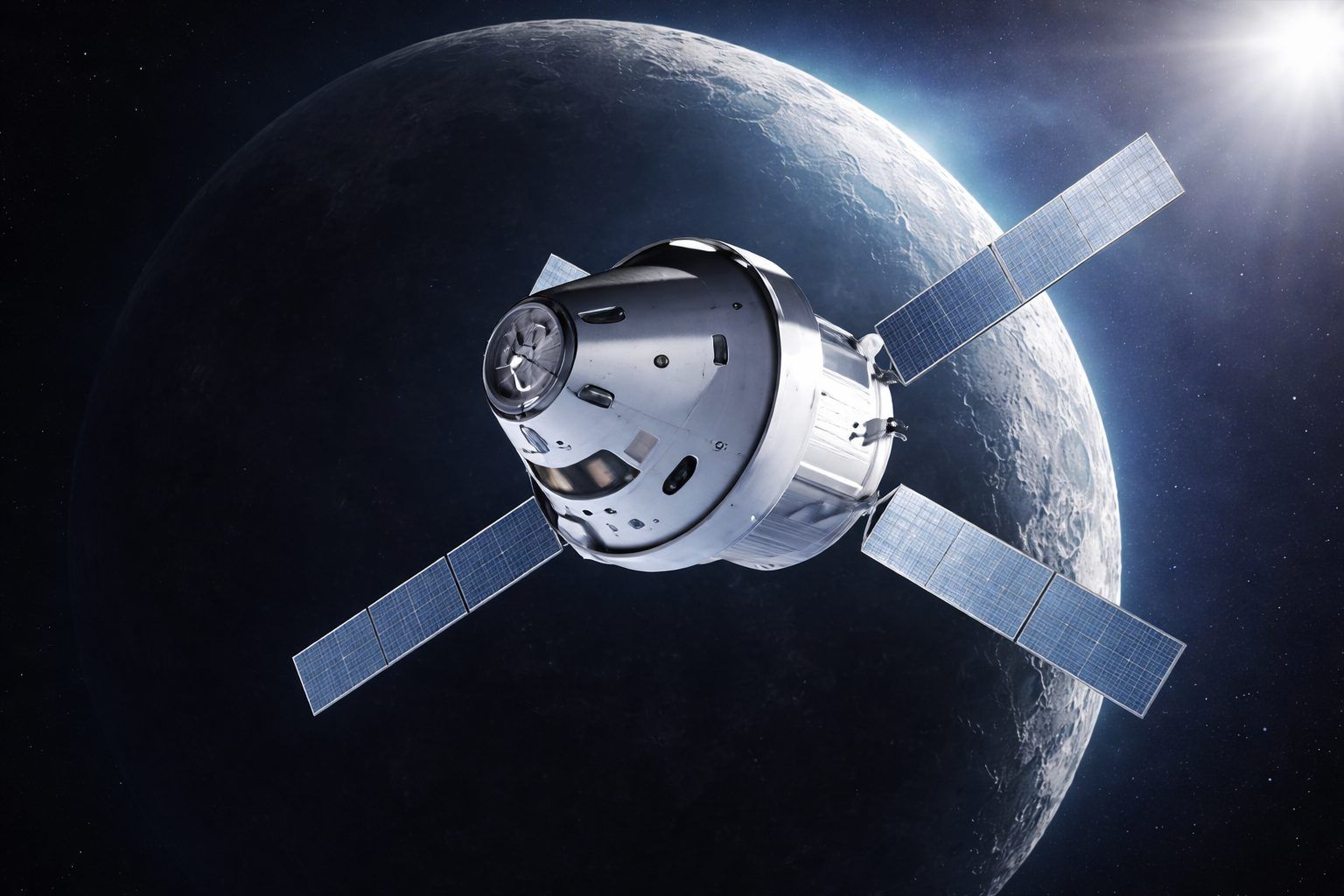
- Artemis II is set to carry four astronauts on a roughly 10-day lunar flyby aboard NASA’s SLS rocket and Orion spacecraft.
NASA astronaut Christina Koch said the Artemis II team is “firing on all cylinders” as the agency pushes toward a crewed lunar flyby in 2026. Space
The mission is designed to send four astronauts around the Moon and back in a roughly 10-day flight, validating Orion’s life-support and other systems in deep space, NASA says. It will be the first crewed mission for NASA’s Space Launch System (SLS), a heavy-lift rocket, and the Orion capsule.
The timetable is drawing fresh attention as the calendar turns to 2026 and NASA’s Florida launch teams move into the final stretch of processing and rehearsals. Space.com said NASA is targeting an initial launch window opening Feb. 5 and has additional opportunities through April if it slips.
The Kennedy Space Center Visitor Complex lists the launch from Launch Complex 39B as no earlier than February 2026 and said public viewing options will be announced. NASA’s launch schedule lists Artemis II as no later than April 2026.
The visitor complex lists Reid Wiseman as commander, Victor Glover as pilot, and Koch and Canadian astronaut Jeremy Hansen as mission specialists. NASA describes Artemis II as a crewed lunar flyby, meaning Orion will loop around the Moon and return to Earth without landing.
Space.com said NASA may roll the fully assembled SLS rocket from the Vehicle Assembly Building to the pad as early as January. The outlet said the agency is working within trajectory and lighting constraints that create limited launch windows each month.
The visitor complex said it is taking email sign-ups for launch updates as it prepares viewing packages for the public.
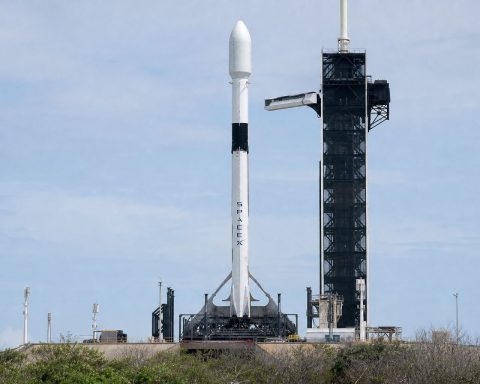
Artemis II is also a checkpoint for NASA’s broader Artemis program, which depends on commercial partners for hardware needed for later lunar landings. Space.com reported that NASA’s plan for Artemis III calls for SpaceX’s Starship as a crewed lunar lander, while Blue Origin is developing its Blue Moon lander for later Artemis flights.
The same report pointed to rising competition from China, which Space.com said is advancing work on its Long March 10 lunar rocket and next-generation crewed spacecraft, Mengzhou, alongside a crewed lunar lander. Pressure over timelines has become a recurring theme as NASA tries to sustain a return to the Moon.
NASA last flew astronauts to lunar space during the Apollo era, and Artemis II would be the first crewed trip beyond low-Earth orbit in more than half a century. NASA says the mission builds on the uncrewed Artemis I test flight in 2022.
NASA’s event listing does not provide a firm launch date yet, reflecting the work still ahead in final integration and testing. The agency has said Artemis II is targeted to launch no later than April 2026.
For now, the key watchpoints are the planned rollout to the launch pad and NASA’s next update on the February window.