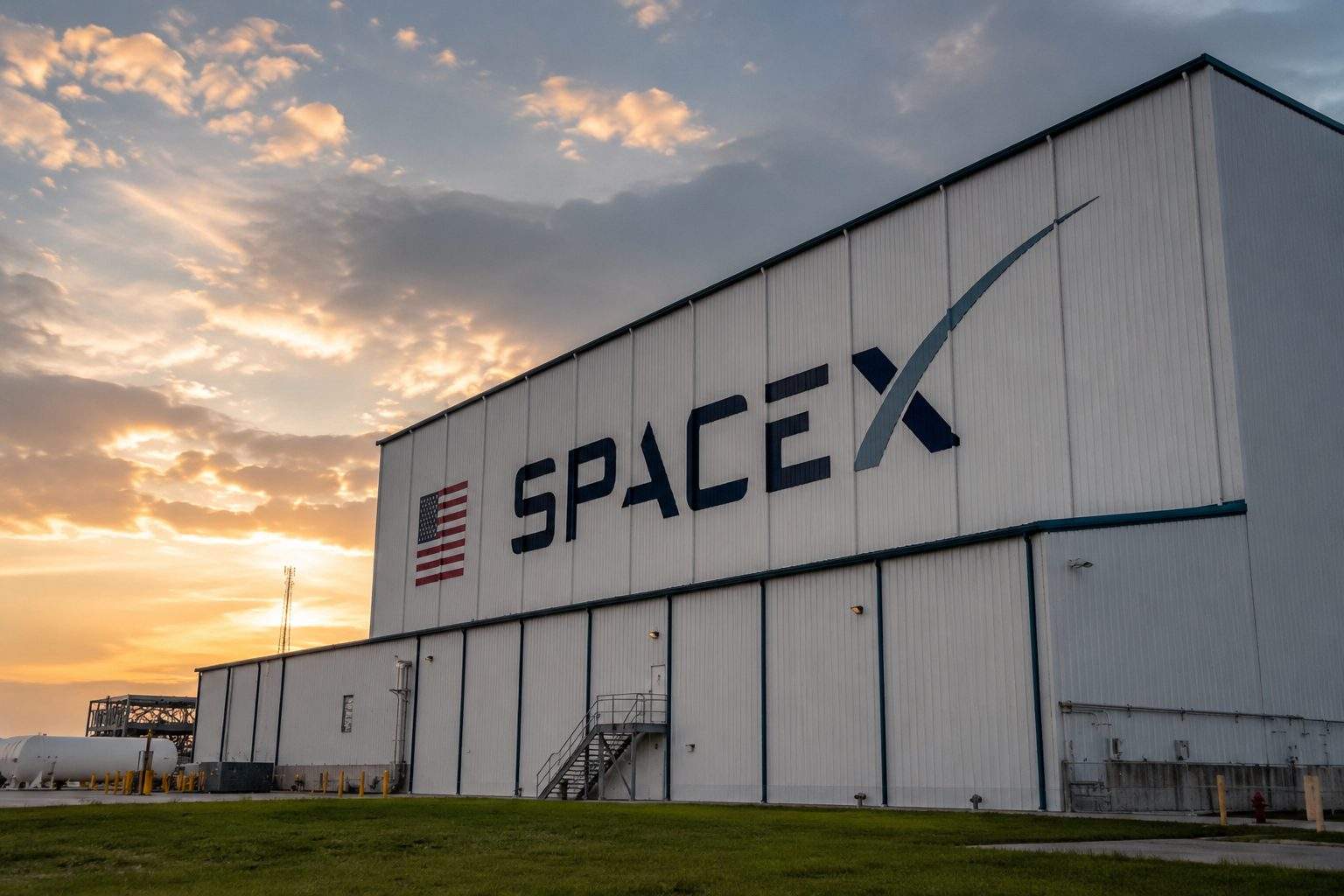
ARK Invest, led by Cathie Wood, boosted its holdings in Space Exploration Technologies Corp. on Friday, purchasing 147,805 shares, according to its daily filing.
Shares of three U.S. pure-play space companies dropped an average of 10.3% on Thursday, while two listed New Horizons heritage affiliates slipped only 0.5%.
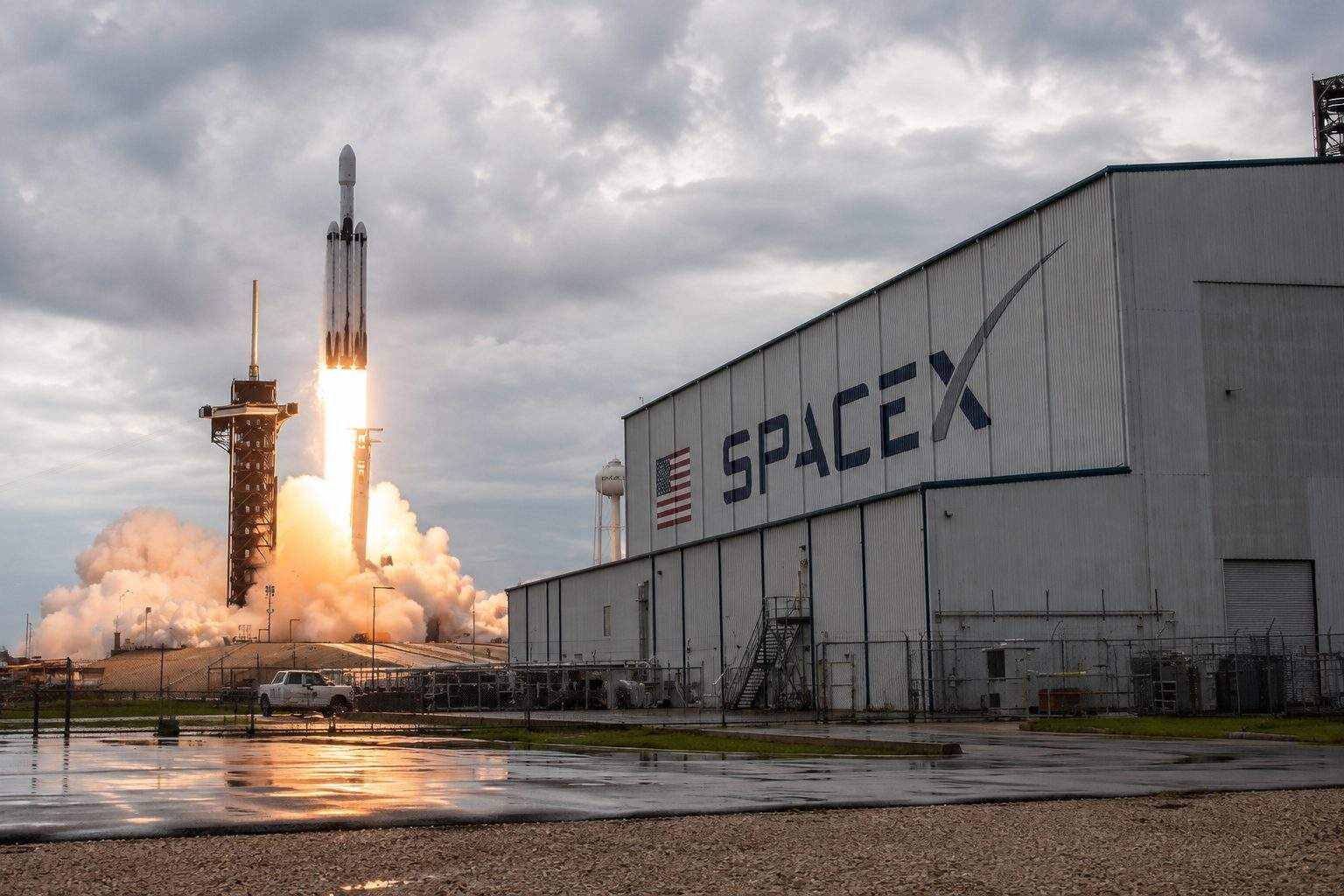
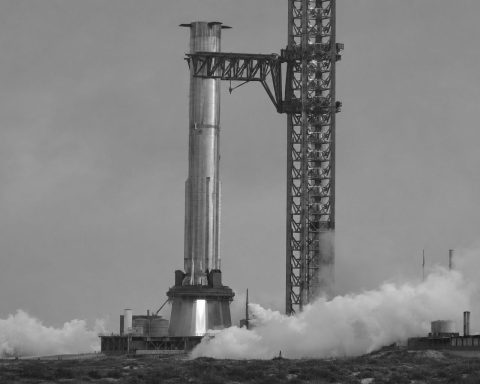
SpaceX plans to run Starship’s 13th flight test on Thursday, July 16, after firing all 33 Super Heavy engines in a full-duration static fire that left the booster bolted to the pad. The 90-minute launch window starts at 5:45 p.m. CDT. Investors will be watching closely after a tough week for the stock.)
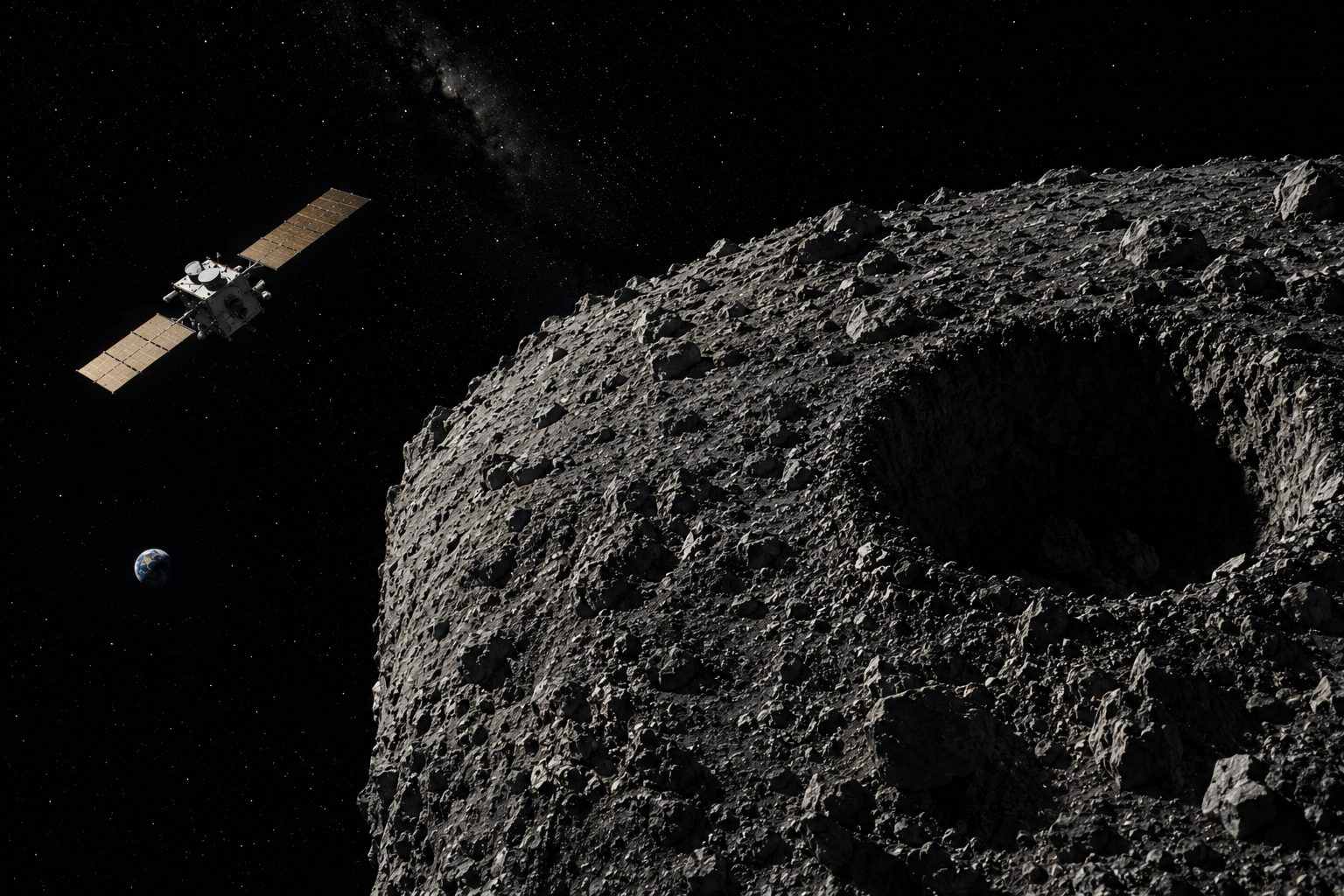
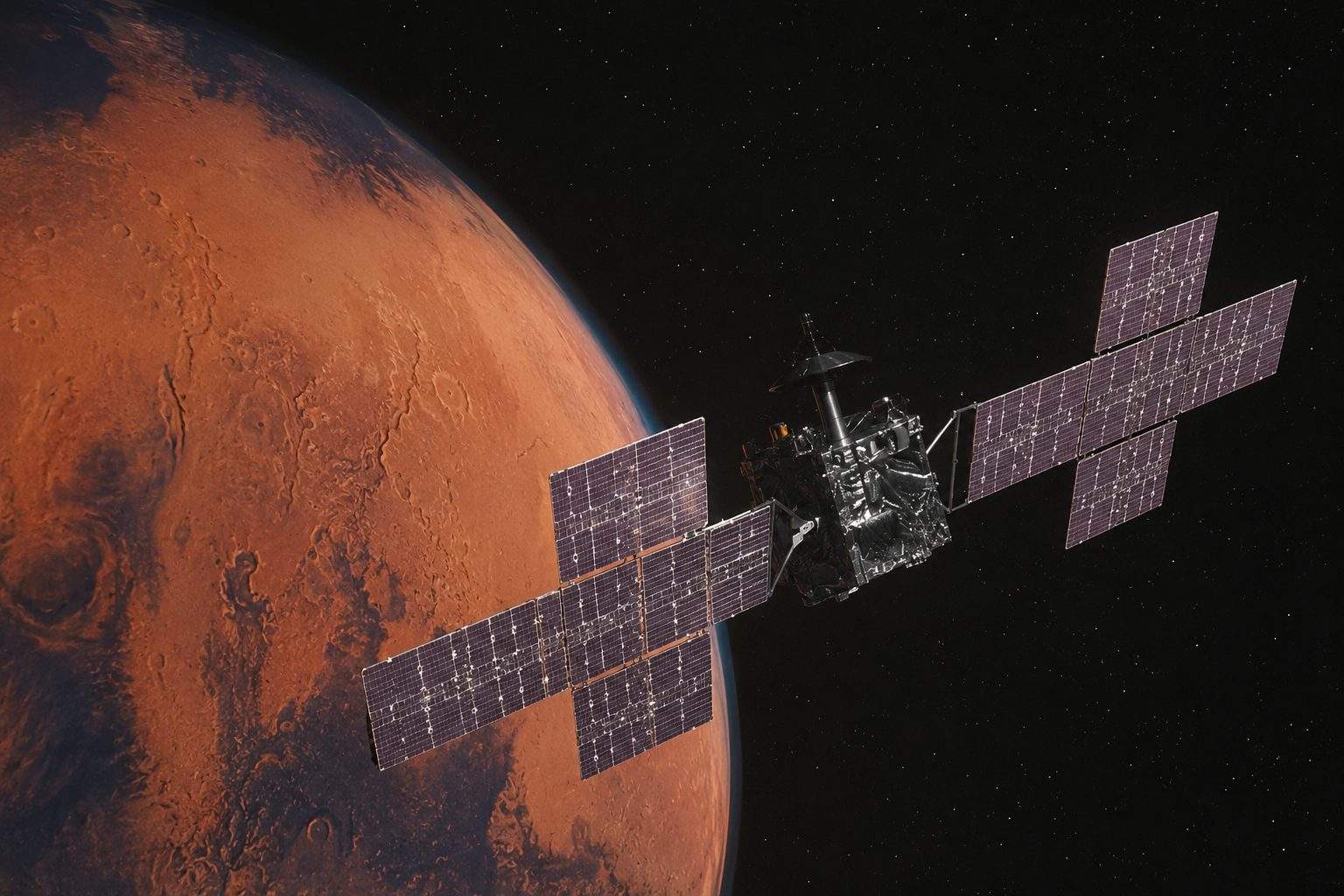
The first image of Kamo’oalewa looked plain. But the optical navigation data was more striking — cameras on the Tianwen-2 probe cut the margin of error in tracking the asteroid’s position from over 100 kilometres down to about a kilometre, with the spacecraft now just 20 km out, the China National Space Administration said.
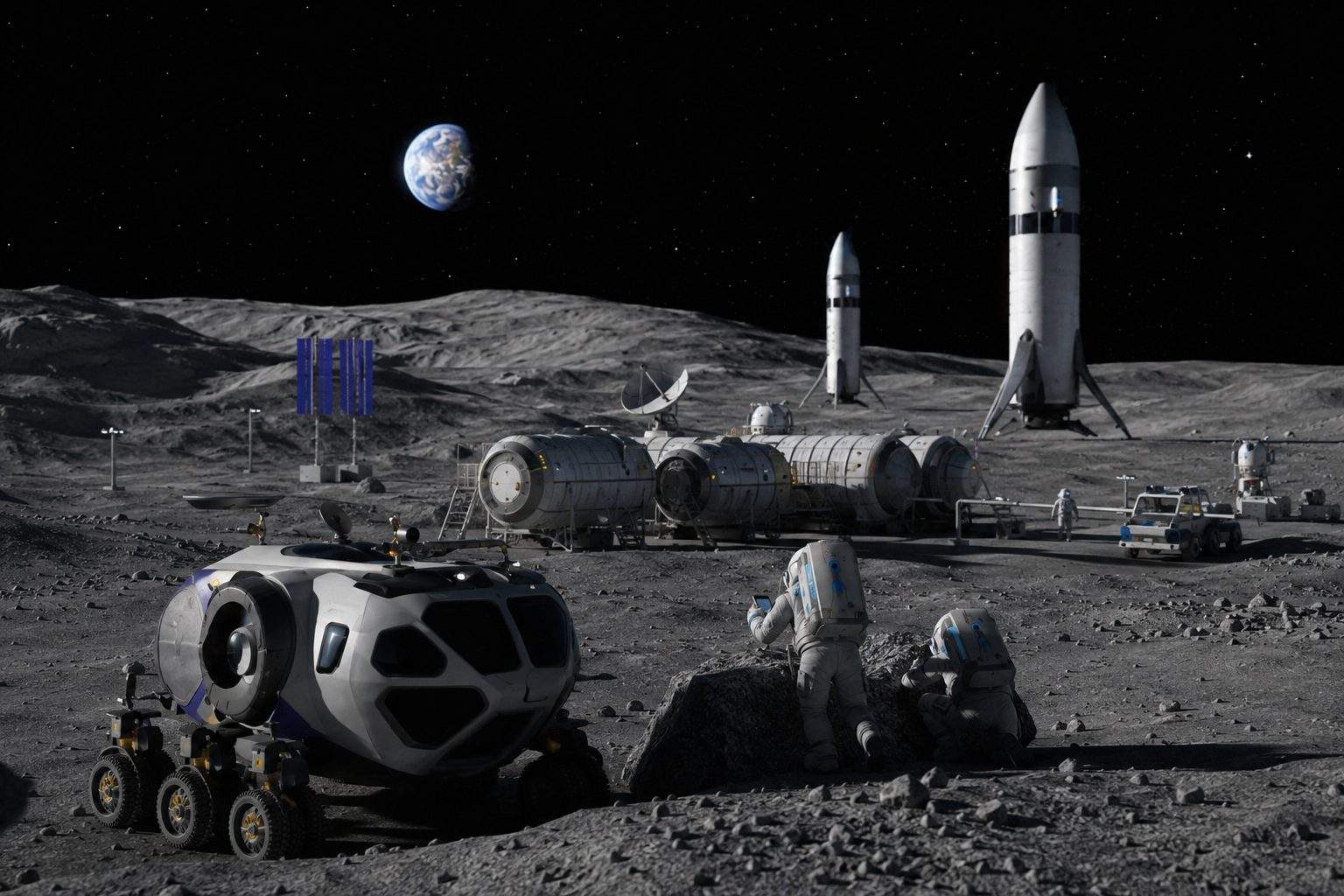
A six-person lunar outpost operating at its lowest workload lines up with resupply every two weeks. That comes out to around 26 supply runs a year, just over NASA’s target of 25 Moon Base missions by 2029. This is just a scale comparison, not a forecast from the agency. The agent-based model here simulates digital crew members following set rules, running with a three-month baseline.
China’s first close-up of Kamo’oalewa isn’t a result. It’s just the start. The China National Space Administration said Tianwen-2 got within about 20 km of asteroid 2016 HO3 and started its scientific mission after flying 400 days and about 1 billion km. The photo was taken July 2 and appeared with the July 6 mission update.
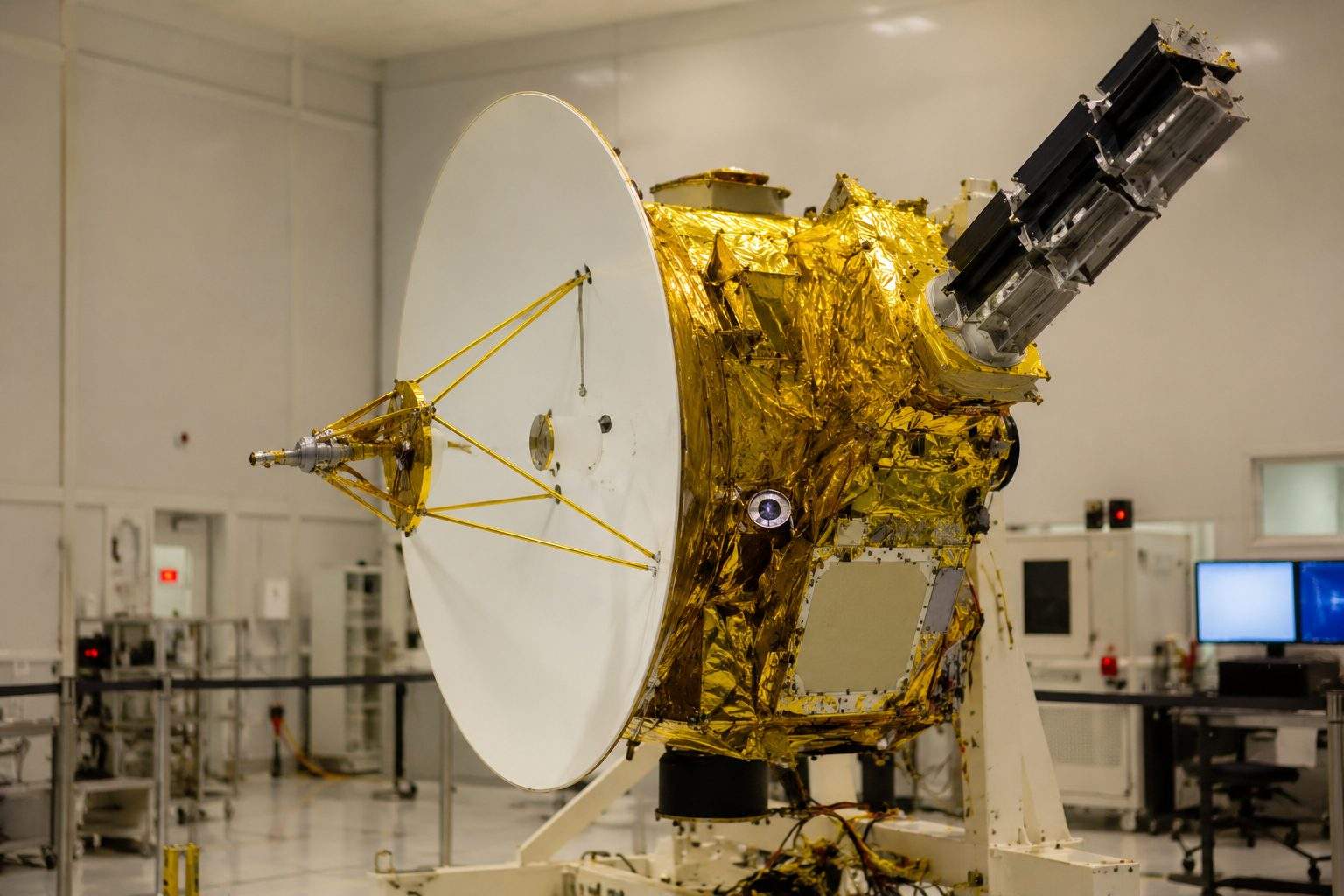
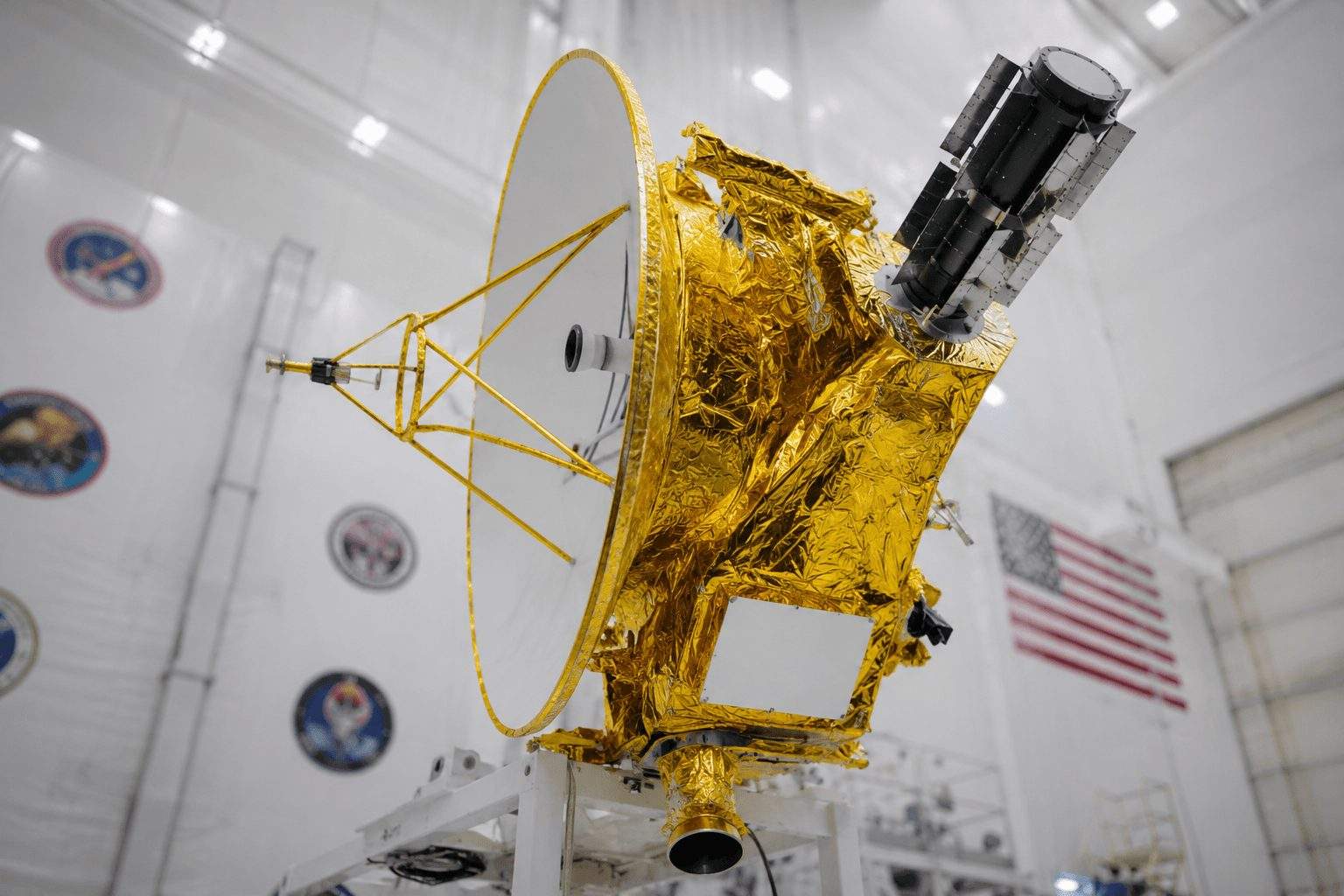
NASA’s New Horizons mission is showing how far commercial space communications still have to go. The agency’s Near Space Network handles missions as far as 2 million km from Earth, but New Horizons is about 9.5 billion km out. That’s around 4,750 times farther than the edge of NASA’s current commercial network. The agency buys commercial direct-to-Earth and relay services only within that range.
NASA’s deal to keep the Neil Gehrels Swift Observatory in orbit is a small contract but points to a bigger question: can a startup get paid to rescue satellites in time, before aging spacecraft drop out of reach?
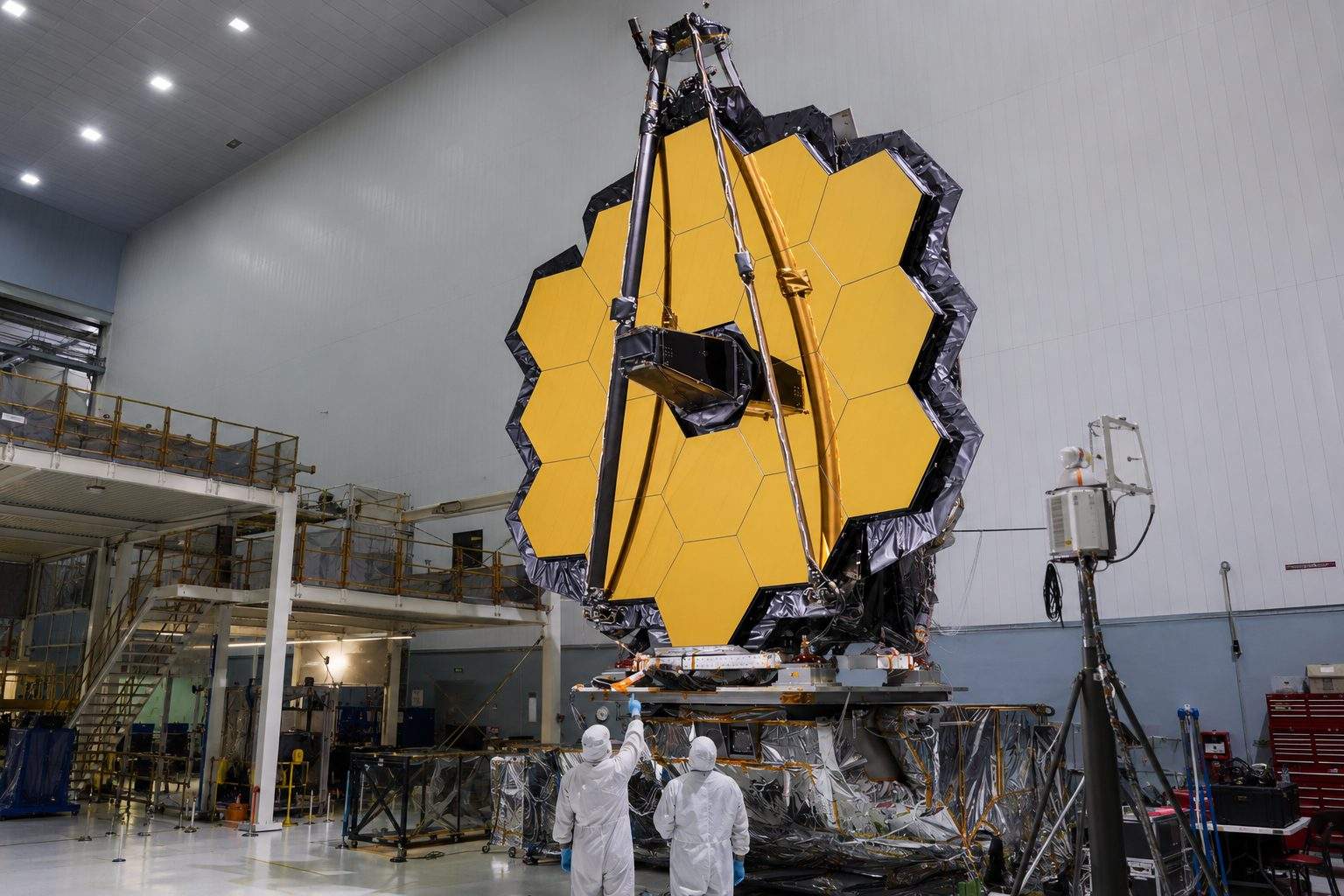
NASA published an image from the James Webb Space Telescope showing a slice of the Orion A molecular cloud, capturing what the agency says is every major step of star formation in one shot. The photo, revealing how cold gas turns into stars and maybe even planets, went up on NASA’s site on June 18. ESA/Webb named it its Picture of the Month on June 5.
Ondas Inc. shares will reopen Monday after ending the shortened U.S. trading week at $9.27, up 1.64% in Thursday’s last session but down about 0.6% from the previous Friday’s close. Nasdaq was closed June 19 for Juneteenth, leaving Thursday as the last cash session before the weekend.
NASA and Roscosmos look set to go with the simple route to deal with a persistent leak in a Russian part of the International Space Station. Instead of tearing apart aging equipment, the teams may end up just shutting the door on the leaking passageway.
AST SpaceMobile shares fell in early U.S. premarket trade Wednesday. This was after SpaceX said it had deployed three more BlueBird satellites for the company’s direct-to-cell network. The service is supposed to connect regular mobile phones to satellites, with no extra hardware.
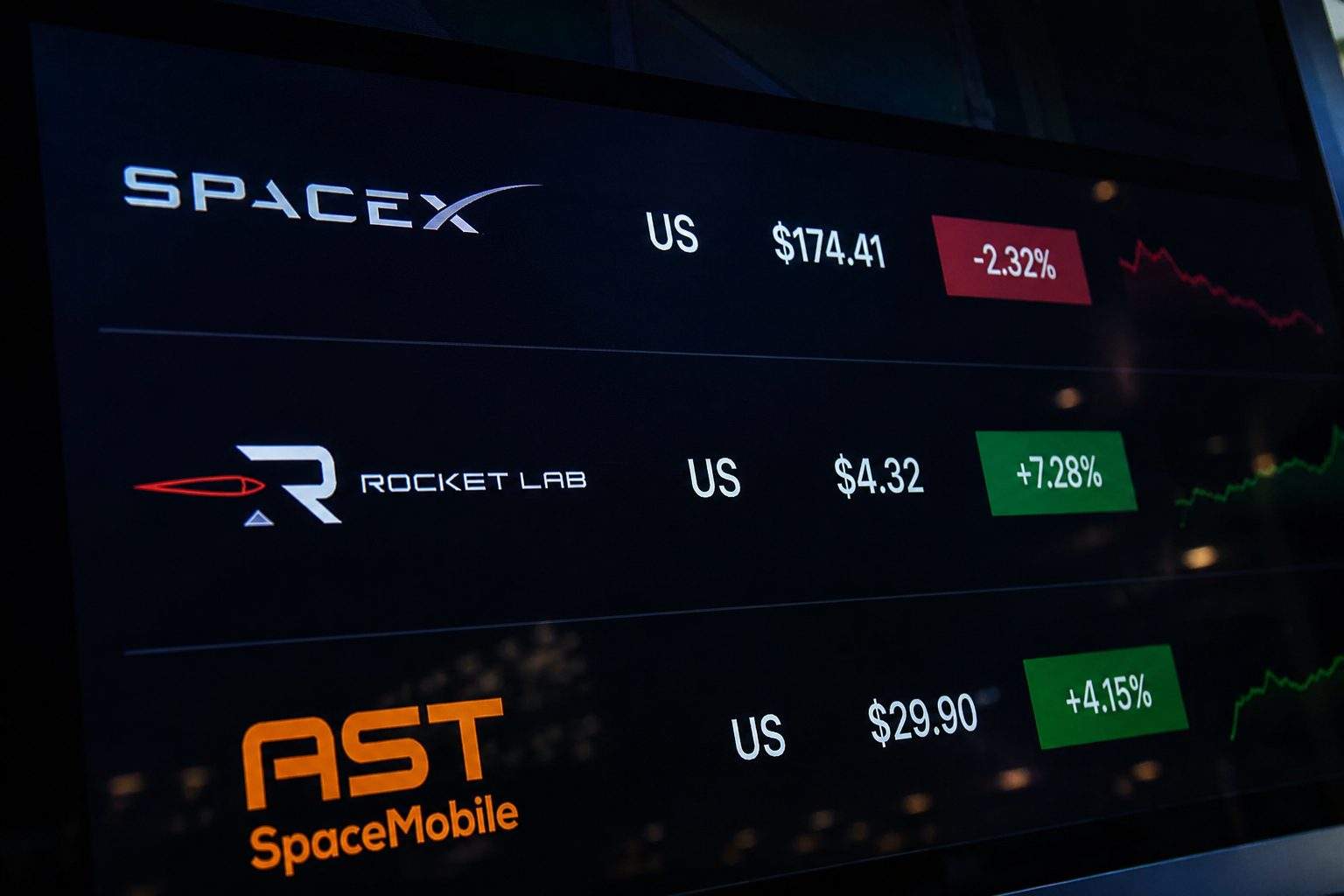
U.S. space and satellite names are lower as the week starts, after SpaceX’s public float reset sector valuations. SpaceX finished Friday at $160.95, up 19.2% from its $135 IPO price. The gain pushed its market value to about $2.1 trillion. The company raised $75 billion in what now stands as the biggest-ever IPO, selling shares to public investors for the first time.
Elon Musk is now the world’s first trillionaire. SpaceX started trading on Friday and investors pushed the stock above a $2 trillion valuation. SpaceX, listed as SPCX, opened at $150 a share. It closed at about $161, 19% above its $135 IPO price. That puts SpaceX as the sixth-biggest U.S. company by market cap, according to Reuters.
U.S. stock markets stayed closed over the weekend, so the Tema Space Innovators ETF was left to absorb Friday’s drop after a Blue Origin rocket explosion pressured space stocks and weighed on SpaceX IPO bets. NASA ended Friday at $40.17, off 3.97% for the day. Still, the ETF finished up roughly 3.6% from the May 22 close at $38.76, after markets saw a short four-session week with the Memorial Day holiday.
Tema Space Innovators ETF heads into Monday with less of the uncertainty seen last week. The fund fell 3.9% Friday. It’s down to whether that was just profit-taking after the recent rally or if space stocks are starting a longer slide.
Intuitive Machines shot up 20.2% Friday, bouncing hard to close at $28.97—well above Thursday’s $24.11 finish. The Houston-based space-infrastructure firm is set to report first-quarter earnings in just a few days, drawing renewed attention.
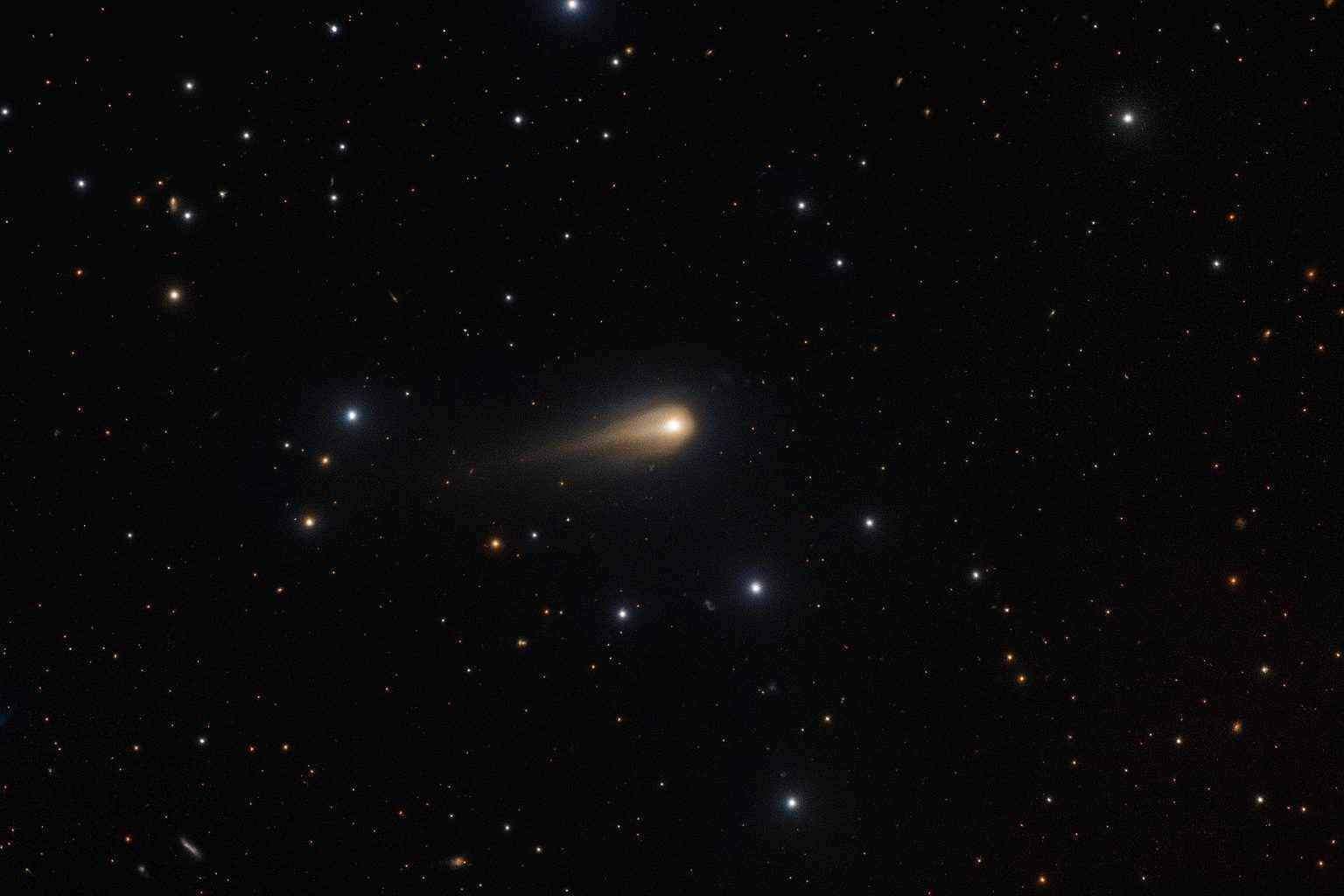
Astronomers looking into 3I/ATLAS—the third confirmed interstellar object to pass through our solar system—have picked up water carrying a chemical signature unlike anything seen in comets native to this neighborhood. The findings point to an origin in a far colder patch of space than where the Sun and planets formed.
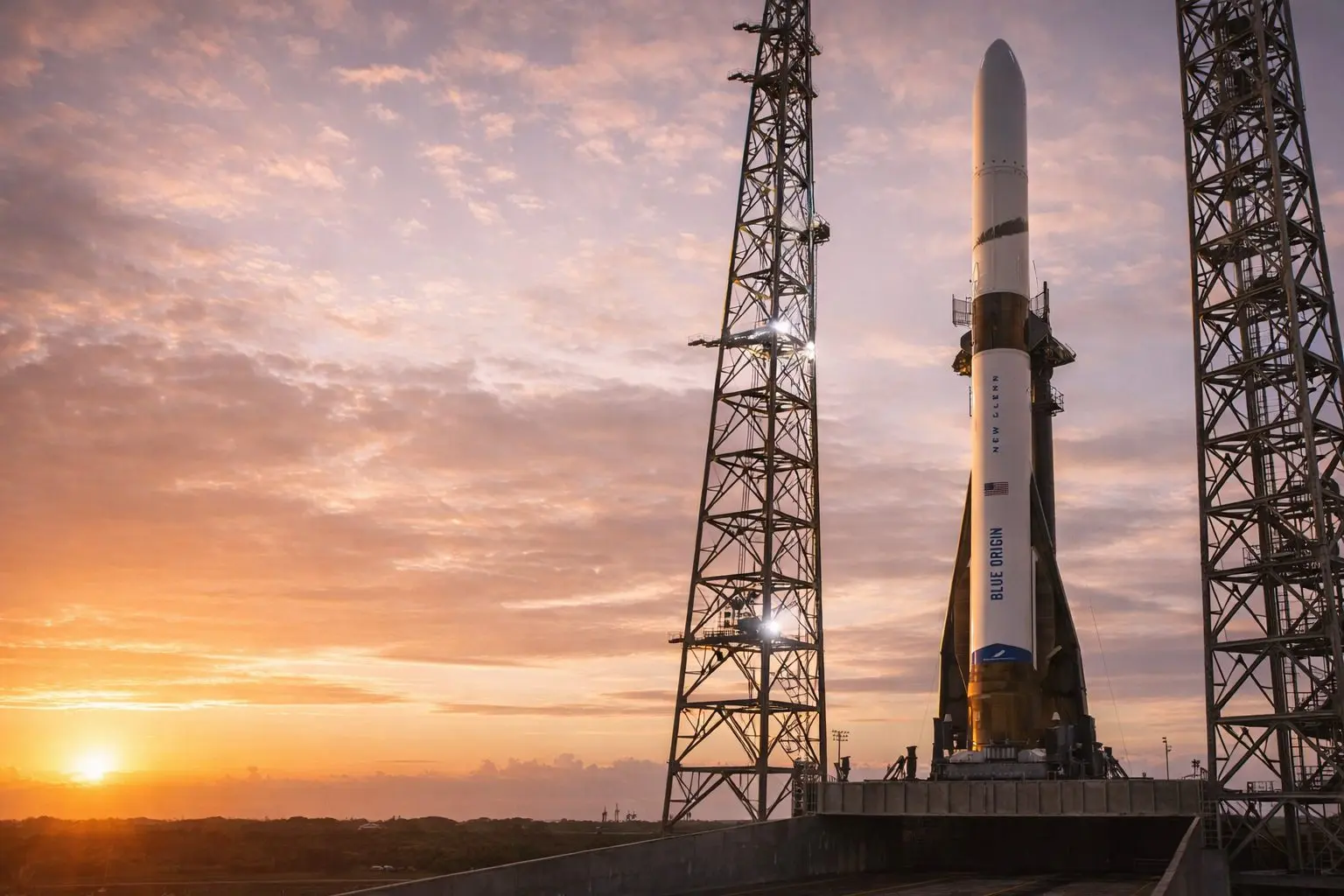
Blue Origin managed to bring back a reused New Glenn rocket booster in the Atlantic on Sunday, marking the first time it's pulled off this recovery following a second launch—a move that pushes its heavy-lift rocket closer to matching SpaceX’s Falcon 9. The 29-story booster blasted off from Cape Canaveral around 7:25 a.m. EDT, hauling AST SpaceMobile’s BlueBird 7 satellite skyward.
Intuitive Machines shares climbed roughly 13% to $22.91 on Wednesday, gaining $2.62 from Tuesday’s $20.29 close. The stock swung between $20.27 and $22.92, with around 8.5 million shares exchanging hands by early afternoon.