
WASHINGTON, April 27, 2026, 17:24 EDT
- Astronomers have, for the first time, used ALMA data to measure deuterated water in an interstellar object—comet 3I/ATLAS.
- The water signature suggests the comet came out of a colder, more sheltered system—unlike the environment that produced the Sun and its neighboring comets.
- That’s relevant at this point, as 3I/ATLAS leaves the solar system and attention shifts from tracking it live to digging into the collected data.
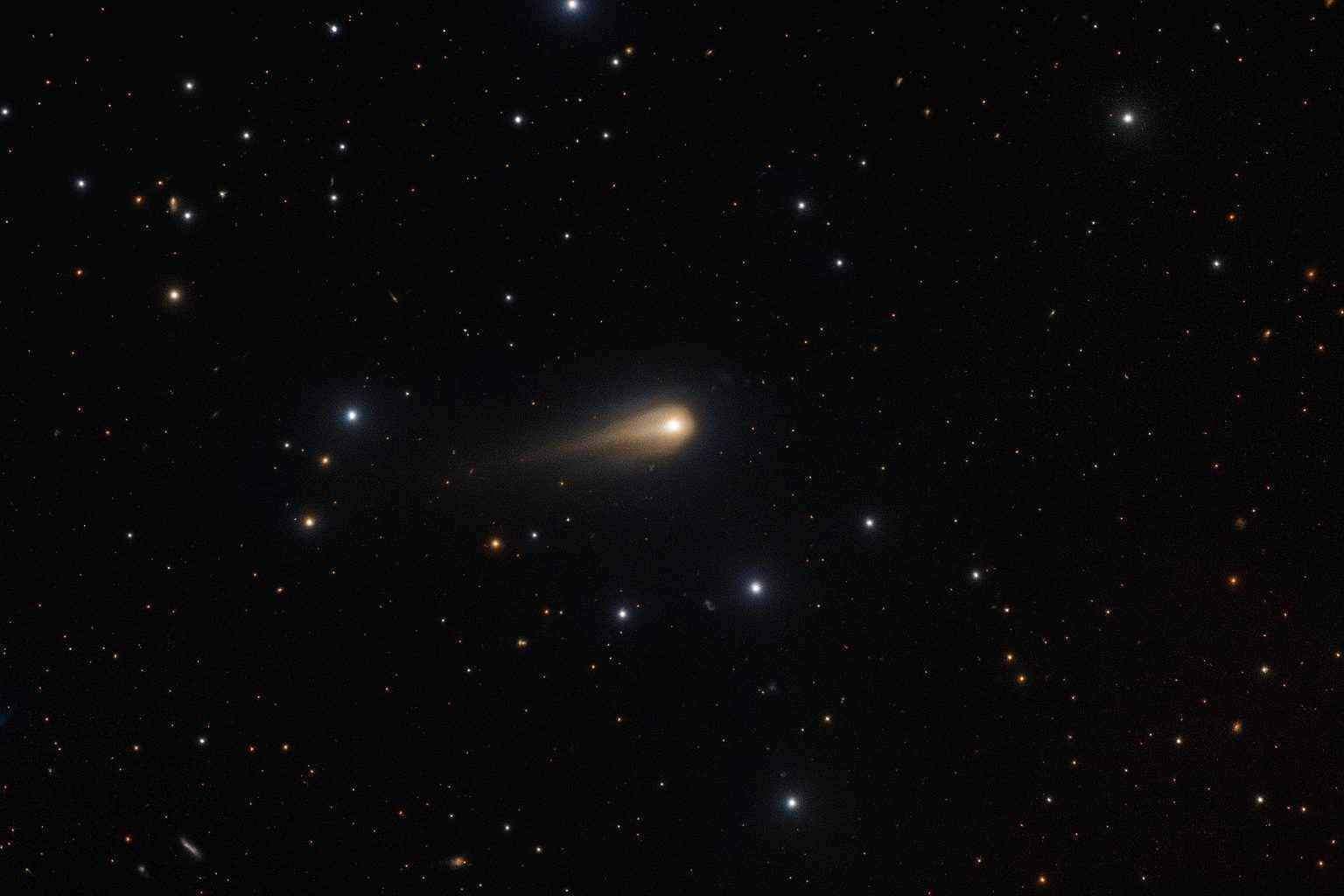
Astronomers looking into 3I/ATLAS—the third confirmed interstellar object to pass through our solar system—have picked up water carrying a chemical signature unlike anything seen in comets native to this neighborhood. The findings point to an origin in a far colder patch of space than where the Sun and planets formed.
For the first time, scientists are working with a sample of matter from beyond our own solar system, all collected via telescope—no probe required. The comet has already faded from view, headed back into interstellar space. What’s left are just the archived images taken by NASA, ESA, and a handful of ground telescopes.
Researchers at Chile’s Atacama Large Millimeter/submillimeter Array (ALMA) have measured the deuterium-to-hydrogen ratio in water found in the comet, a new paper in Nature Astronomy reports. Deuterium—a heavier version of hydrogen—acts as a rough guide to the temperature conditions where the ice originated.
The Nature paper puts the water deuterium-to-hydrogen ratio in 3I/ATLAS at more than 6.6 × 10^-3—so, that’s over 40 times higher than what’s in Earth’s oceans, and at least 30 times above the typical levels seen in comets from our solar system. The authors say this kind of enrichment points to water that formed in much colder, more sheltered environments, with less exposure to heat than the cometary water we usually encounter nearby.
For the first time, ALMA scientists have identified deuterated water—also called semi-heavy water—in an object outside our solar system. Lead author Luis E. Salazar Manzano, a doctoral student at the University of Michigan, interprets the result as proof that the early solar system wasn’t shaped by the same conditions seen elsewhere in the galaxy. “Much different,” he says, describing those ancient environments. ALMA Observatory
The window was narrow. ALMA managed to gather its readings just six days after 3I/ATLAS swung past the Sun—timing that proved tricky for most optical telescopes, which couldn’t safely track anything so close to solar glare. “Radio telescopes let us catch the comet right as it came out from behind the Sun,” said Teresa Paneque-Carreño, an assistant professor at the University of Michigan who led the ALMA project. ALMA Observatory
That’s a significant difference in chemical terms. ALMA data shows most comets in our solar system carry just one semi-heavy water molecule for every 10,000 regular ones; 3I/ATLAS, on the other hand, displays a much higher proportion. Salazar Manzano notes these molecules usually form only in environments colder than 30 Kelvin—minus 406 Fahrenheit.
ATLAS, a NASA-backed survey telescope in Chile, picked up the object on July 1, 2025. NASA classified it as interstellar, citing its hyperbolic trajectory that won’t bring it back around the Sun. No threat here, the agency said—the closest approach was roughly 1.8 astronomical units out, so about 270 million kilometers from Earth.
Not much of a traffic jam—these interstellar visitors are rare. The first, 1I/ʻOumuamua, turned up in 2017. Two years after that came 2I/Borisov. Now, number three: 3I/ATLAS. Unlike ʻOumuamua, ATLAS is putting on a comet show, throwing off gas and dust—exactly what scientists were hoping to catch for a closer look.
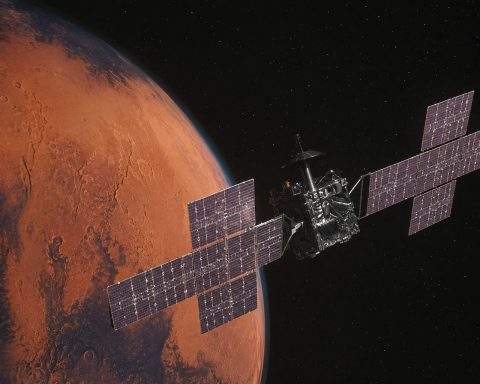
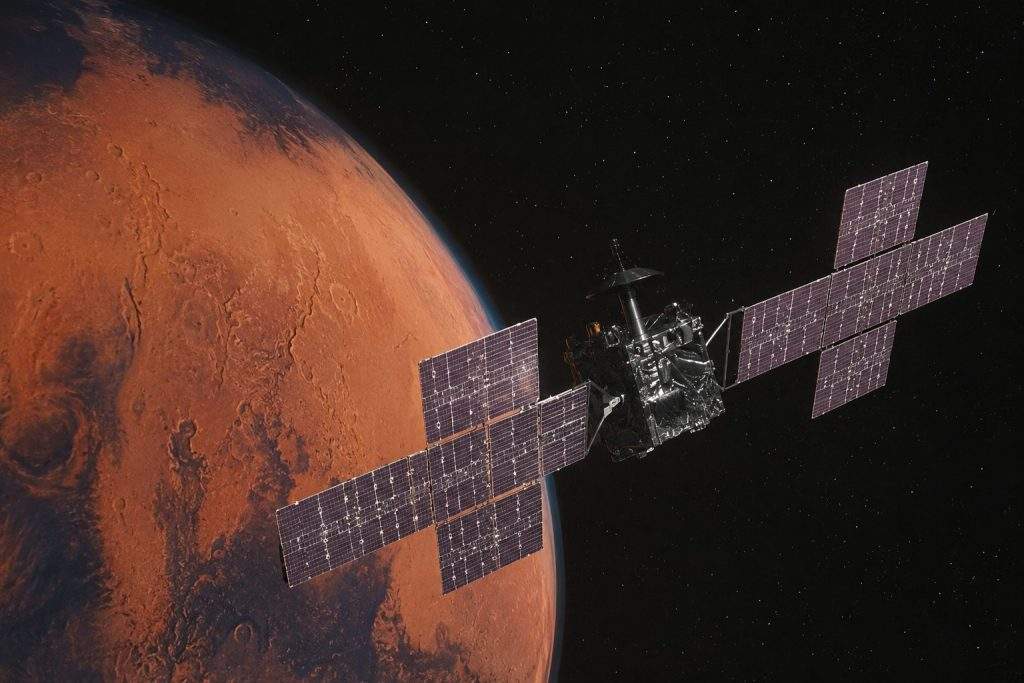
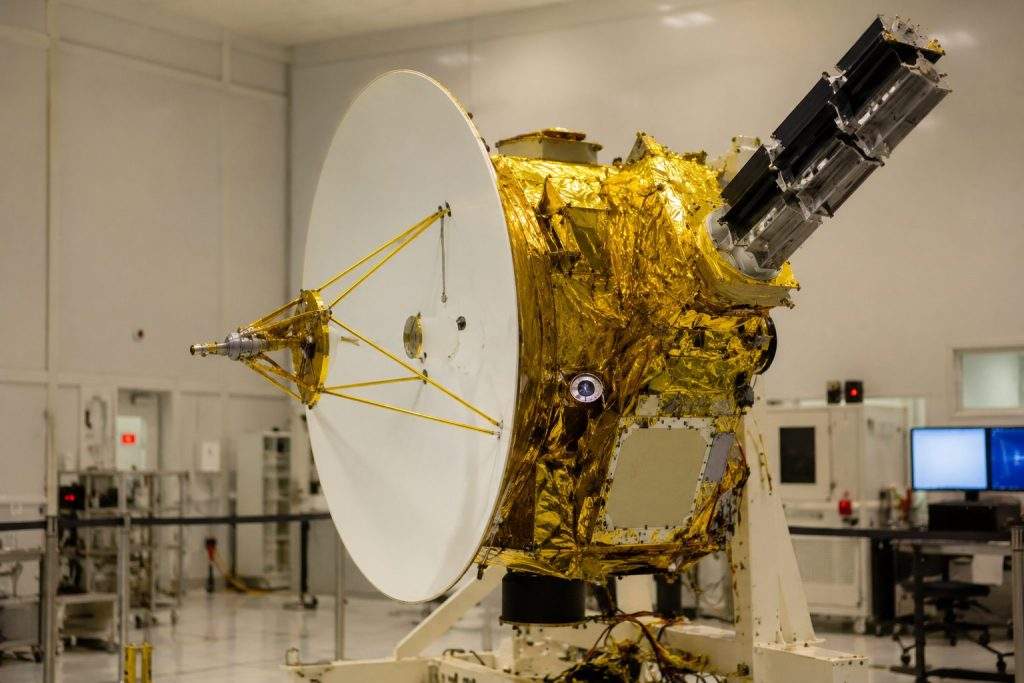
The announcement follows a rare, coordinated effort from multiple spacecraft and telescopes. NASA reported that more than a dozen of its science missions monitored 3I/ATLAS, listing TESS, MAVEN, James Webb, and SPHEREx among them. Over at ESA, Mars Express, ExoMars Trace Gas Orbiter, and Juice also watched the comet as it passed.
Independent experts haven’t ruled out the result, but they’re not ready to call it definitive. “Very, very difficult measurement,” said Darryl Seligman, an astronomer at Michigan State who wasn’t involved with the ALMA research. Seligman sees the outcome as a sharp choice: either the solar system is the exception, or astronomers have more to learn about planet formation around other stars. Scientific American
The big snag: the comet’s origin remains a mystery. Nature Astronomy reports that orbital models don’t point to any definite parent star. Researchers also highlight lingering uncertainty around the water signal—whether it comes from changes after the disk formed, an early ejection scenario, or maybe the comet originated beyond carbon-dioxide-heavy regions in its disk.
For now, 3I/ATLAS is mostly a data game. The AP reports the object is speeding past Jupiter at about 137,000 mph—a target only the most advanced observatories can track. Paneque-Carreño said that solving the final “puzzle pieces” could reveal clues about planet formation during the galaxy’s frigid, ancient past. apnews.com
Related articles: Space Exploration