
STARBASE, Texas, August 30, 2026, 04:12 (EDT)
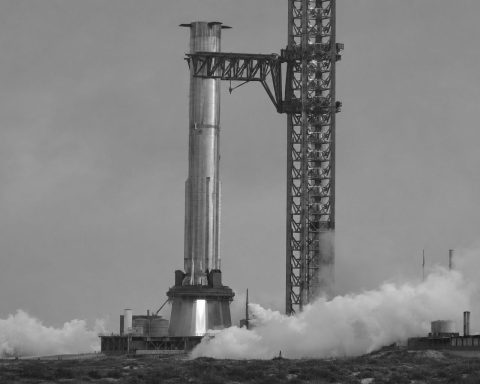
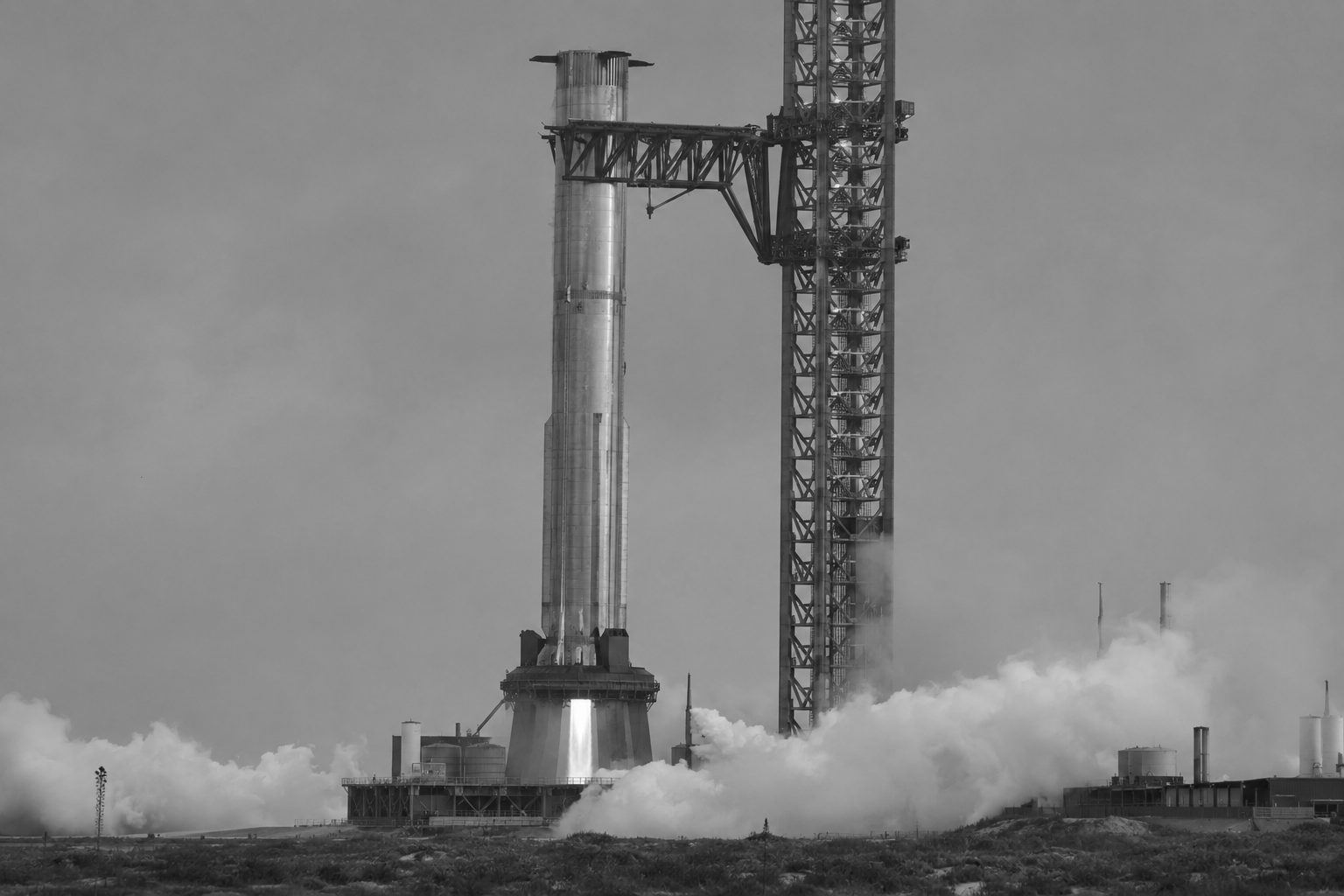
- Booster 21 completed a 33-engine static fire on August 28, but Flight 14 is now listed no earlier than September.
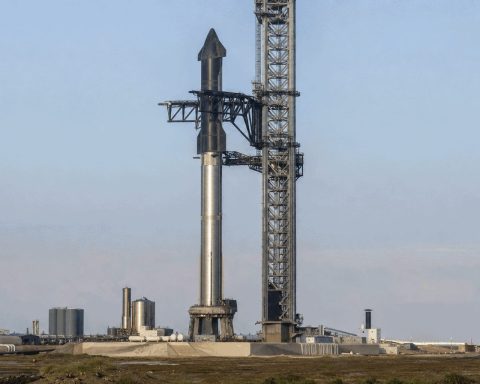
- The mission targets Starship’s first orbital flight, a viable payload deployment and a possible tower catch of Ship 41.
- SpaceX’s last verified quote was $141.50 at 20:15 EDT on August 28, implying about $1.85 trillion of equity value.
SpaceX (NASDAQ: SPCX) has moved Starship Flight 14 into September after completing a full-duration static fire of Booster 21. The schedule shift turns a rocket test into a valuation checkpoint for shareholders.
The Flight 14 tracker showed six of 19 milestones complete early Sunday. Booster 21 has cleared its proof and static-fire campaigns. Ship 41 testing, stacking, regulatory notices and launch confirmation remain outstanding Flight 14 status.
Flight 14 is expected to become Starship’s first orbital mission. SpaceX also plans to deploy viable payloads and may attempt the first tower catch of a Starship upper stage, subject to regulatory approval mission plan.
Those objectives matter because Starship is the planned capacity engine for larger Starlink satellites, lunar missions and orbital computing. A successful orbital flight would test three linked economics: payload delivery, vehicle recovery and launch cadence.
| Measure | Flight 13 | Flight 14 target | Investor significance |
|---|---|---|---|
| Trajectory | Suborbital | First orbital flight | Validates a larger addressable launch market |
| Payload | Upgraded Starlink satellites deployed | Viable orbital payload | Connects Starship directly to revenue capacity |
| Ship recovery | Soft splashdown; vehicle recovered | Possible tower catch | Tests rapid-reuse economics |
| Booster | Landing burn failed | New v3 Booster 21 | Execution risk remains |
Flight 13 proved meaningful hardware progress. Its ship survived reentry and was recovered from the Indian Ocean, while the booster failed during its landing burn SpaceX Flight 13.
The financial bar is unusually high. SpaceX reported $7.81 billion of second-quarter revenue and more than $18 billion of capital spending. Starlink generated $4.29 billion, while the company ended June with $100 billion of cash and marketable securities Q2 results.
At $141.50, the post-offering share count implies roughly $1.85 trillion of equity value. That equals about 59 times annualized second-quarter revenue. The calculation excludes debt and uses issued Class A and Class B shares disclosed in the prospectus prospectus.
Analysts remain constructive but divided. MarketScreener lists a Buy consensus from 35 analysts and an average target of $219.22. The range spans $117 to $450, showing how strongly long-term assumptions drive the stock analyst consensus.
The near-term investor bridge is simple. Flight 14 cannot justify the valuation alone. It can reduce the probability that Starship remains a capital-intensive development program rather than a reusable commercial platform.
Risks remain substantial. Ship 41 still needs to clear testing and integration. The FAA must approve launch and reentry operations, including public-safety, insurance and environmental requirements FAA review.
No firm launch date has been confirmed. The next catalysts are Ship 41’s static-fire campaign, vehicle stacking, airspace and maritime notices, and SpaceX’s formal launch announcement.
Related articles: NASDAQ:SPCX