
WASHINGTON, August 25, 2026, 05:29 EDT
- SpaceX rose 1.55% premarket after closing Monday down 1.44%.
- Trump disclosed a June purchase worth between $15,001 and $50,000.
- The maximum disclosed value equals about 0.0000027% of SpaceX’s market value.
- Government approvals matter more than the president’s small economic stake.
Space Exploration Technologies Corp. NASDAQ:SPCX shares rose 1.55% to $137.09 before Tuesday’s open. The move followed disclosure that President Donald Trump bought up to $50,000 of stock in June. Shares had closed Monday at $135, down 1.44%.
The purchase is immaterial to SpaceX’s $1.83 trillion market value. Its importance lies elsewhere. It adds a financial link between the president and a major federal contractor.
Trump bought between $15,001 and $50,000 of shares on June 23. He signed the disclosure on August 12. It became public on August 22, Reuters reported.
| Disclosure and market check | Verified figure | Investor reading |
|---|---|---|
| Trump purchase range | $15,001-$50,000 | Financial link, limited direct economics |
| SpaceX market value | $1.83 trillion | Maximum purchase is about 0.0000027% |
| August 24 close | $135.00, -1.44% | Back at the June IPO price |
| August 25 premarket | $137.09, +1.55% at 05:07 EDT | Disclosure has not caused a sustained selloff |
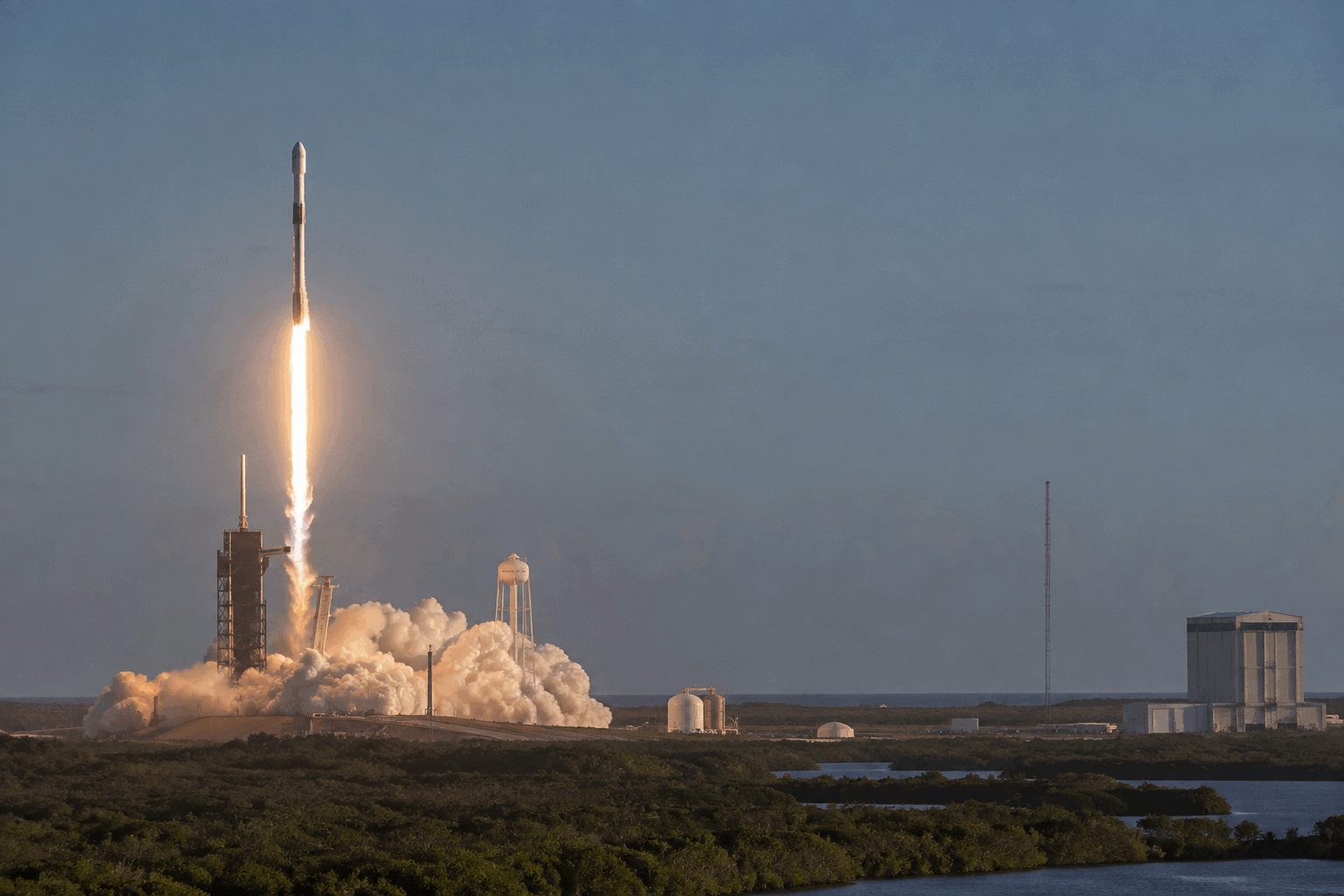
That distinction matters. Trump directed his team last Thursday to increase U.S. commercial launches sharply. SpaceX leads that market, seeks federal approvals and serves military customers.
White House spokesman Davis Ingle told Reuters that independent institutions manage the portfolio. He said they mirror recognised indexes. The president has no ability to direct or influence individual trades, Ingle said.
For shareholders, contract flow and launch permits outweigh the disclosed holding. SpaceX had $14.29 billion of deferred revenue at June 30. That balance includes space agreements and connectivity government contracts.
| Q2 2026 segment | Revenue | Operating income/(loss) | Operating margin |
|---|---|---|---|
| Space | $962 million | ($542 million) | -56.3% |
| Connectivity | $4.291 billion | $1.656 billion | 38.6% |
| AI | $2.561 billion | ($1.257 billion) | -49.1% |
| Total | $7.814 billion | ($143 million) | -1.8% |
Second-quarter revenue jumped 92% from a year earlier. Net loss narrowed to $541 million from $1.01 billion. Connectivity supplied all group operating profit before losses elsewhere.
The capital bill is heavier. SpaceX spent $18.37 billion during the quarter, more than twice revenue. AI infrastructure accounted for $15.83 billion of that amount.
| Analyst | Firm | Latest action | Rating | Target |
|---|---|---|---|---|
| Adam Jonas | Morgan Stanley | Maintained, Aug. 20 | Buy | $300 |
| Markus Leistner | DZ Bank | Downgraded, Aug. 20 | Sell | Not stated |
| Louie DiPalma | William Blair | Maintained, Aug. 20 | Buy | Not stated |
| Brian Dobson | Clear Street | Reiterated, Aug. 18 | Buy | $217 |
Analysts remain divided. The 35-analyst consensus is Buy, with a $213.50 average target. Yet targets span $75 to $450. That range shows how little agreement exists over the three-business model.
SpaceX sold 638.9 million shares in its IPO, including the over-allotment. The offering raised about $85.7 billion. Class A stock began trading June 12 under SPCX.
Risks: Disclosure ranges obscure the exact trade size and price. Independent portfolio management may limit any governance concern. Policy support may also benefit the whole launch industry, not SpaceX alone.
The near-term test is simple. Investors will watch whether launch policy changes improve approvals or contract cadence. The president’s holding itself will not move earnings.
Related articles: NASDAQ:SPCX