
PURCHASE, New York, August 25, 2026, 08:10 EDT —
- PepsiCo, Inc. NASDAQ:PEP expanded its second Mountain Dew–Trolli release to include both regular and Zero Sugar options.
- The beverage launched nationally at retail stores, Pizza Hut, and as a bundle on Walmart.com on August 24.
- North American beverage volumes dropped 4% during the latest quarter, increasing the significance of low-commitment product trials.
- PepsiCo was priced at $144.09 ahead of Tuesday’s opening bell, 9.3% under the consensus analyst target.
PepsiCo has expanded its second Mountain Dew–Trolli collaboration into a broader distribution test. The rollout now includes two formulations, two packaging options and is available across three retail channels.
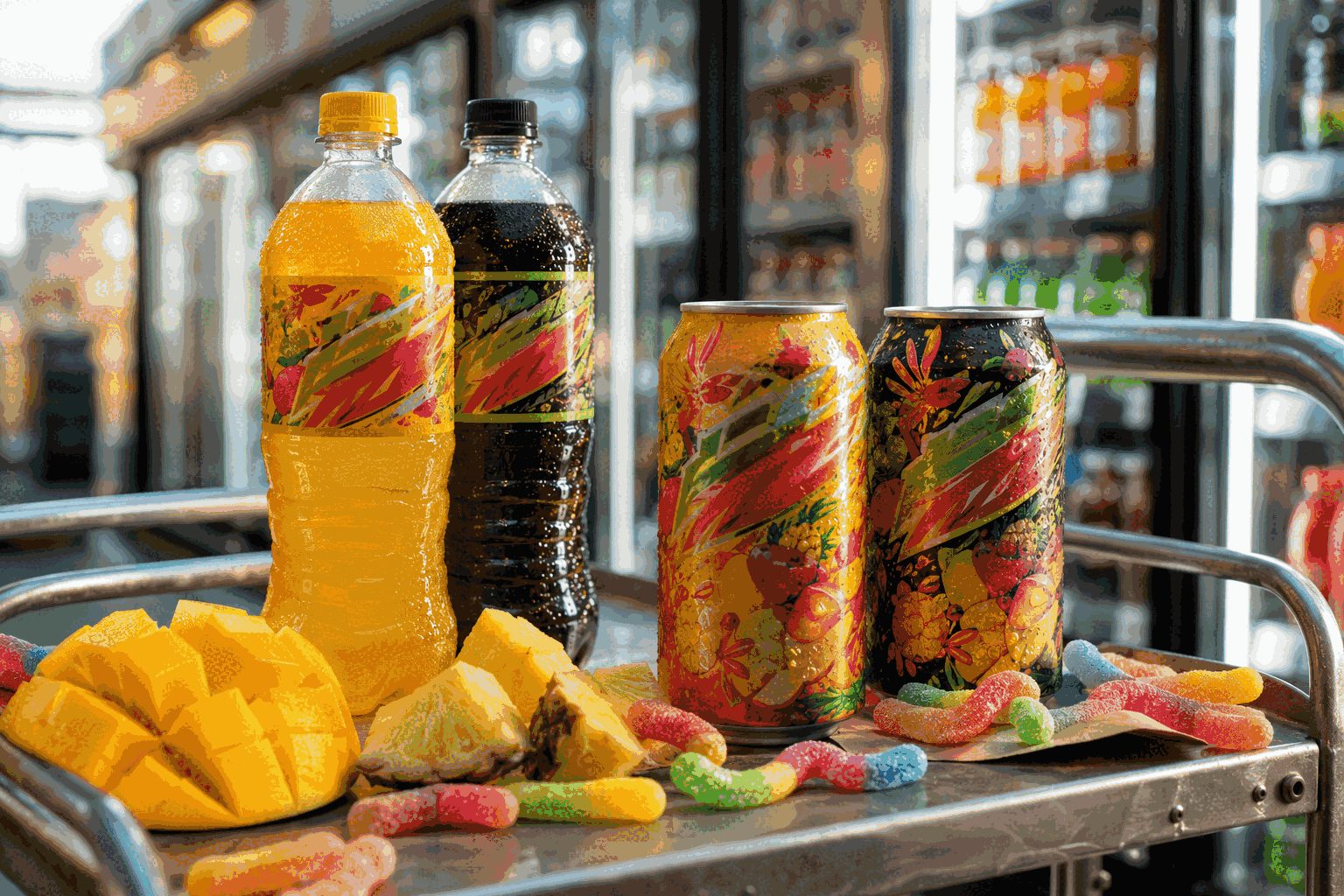
This carries greater weight than just taste. The Cherry Lemon variety debuted last year as a Zero Sugar exclusive at Walmart before expanding to further retailers. For this year, Mango Pineapple Punch launched across the country simultaneously in both regular and Zero Sugar options.
The five format-channel slots expand opportunities to track trial. They include regular and Zero Sugar at retail, regular at Pizza Hut, plus both versions in the Walmart.com kit, which also features Trolli Spicy Crawlers.
| Rollout feature | 2025 Cherry Lemon | 2026 Mango Pineapple Punch |
|---|---|---|
| Formula | Only Zero Sugar | Available in Regular and Zero Sugar |
| Retail start | Debuts at Walmart | Distributed at retailers across the U.S. |
| Foodservice | No plans revealed | Regular version in 20-ounce at Pizza Hut |
| E-commerce bundle | No information released | Kit with two drinks and candy at Walmart.com |
| Window | Launches late August | Available from August 24 to October |
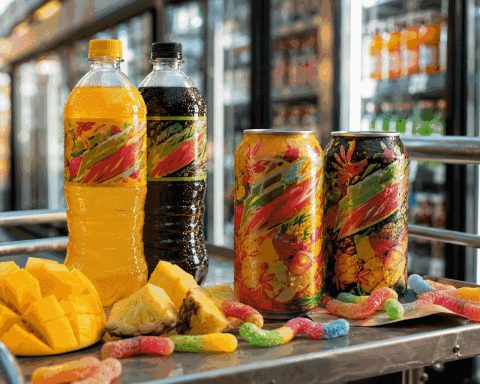
PepsiCo announced the beverage is available in 12-ounce cans and 20-ounce bottles. Regular 20-ounce bottles will stay on shelves at participating Pizza Hut outlets until October. The soda features mango, pineapple, and strawberry flavors, while its heat comes from the accompanying candy.
Michael Smith, vice president of marketing for Mountain Dew, noted that last year’s partnership demonstrated “how much excitement there is” when the two brands collaborate. PepsiCo described Cherry Lemon as one of Mountain Dew’s quickest-selling offerings but did not reveal unit sales figures.
The financial environment is more subdued. PepsiCo Beverages North America posted a 7% rise in revenue for the quarter ending June 13. Unit volumes dropped 4%, reflecting a 3% decrease in sales of carbonated soft drinks. Revenue gains benefited from pricing actions and adjustments to its product mix.
Total revenue for the quarter across the company was $24.18 billion, a 6% increase from a year earlier. Adjusted earnings came in at $2.20 per share, falling short of the $2.21 consensus by a penny. Revenue exceeded expectations, surpassing the $23.97 billion estimate.
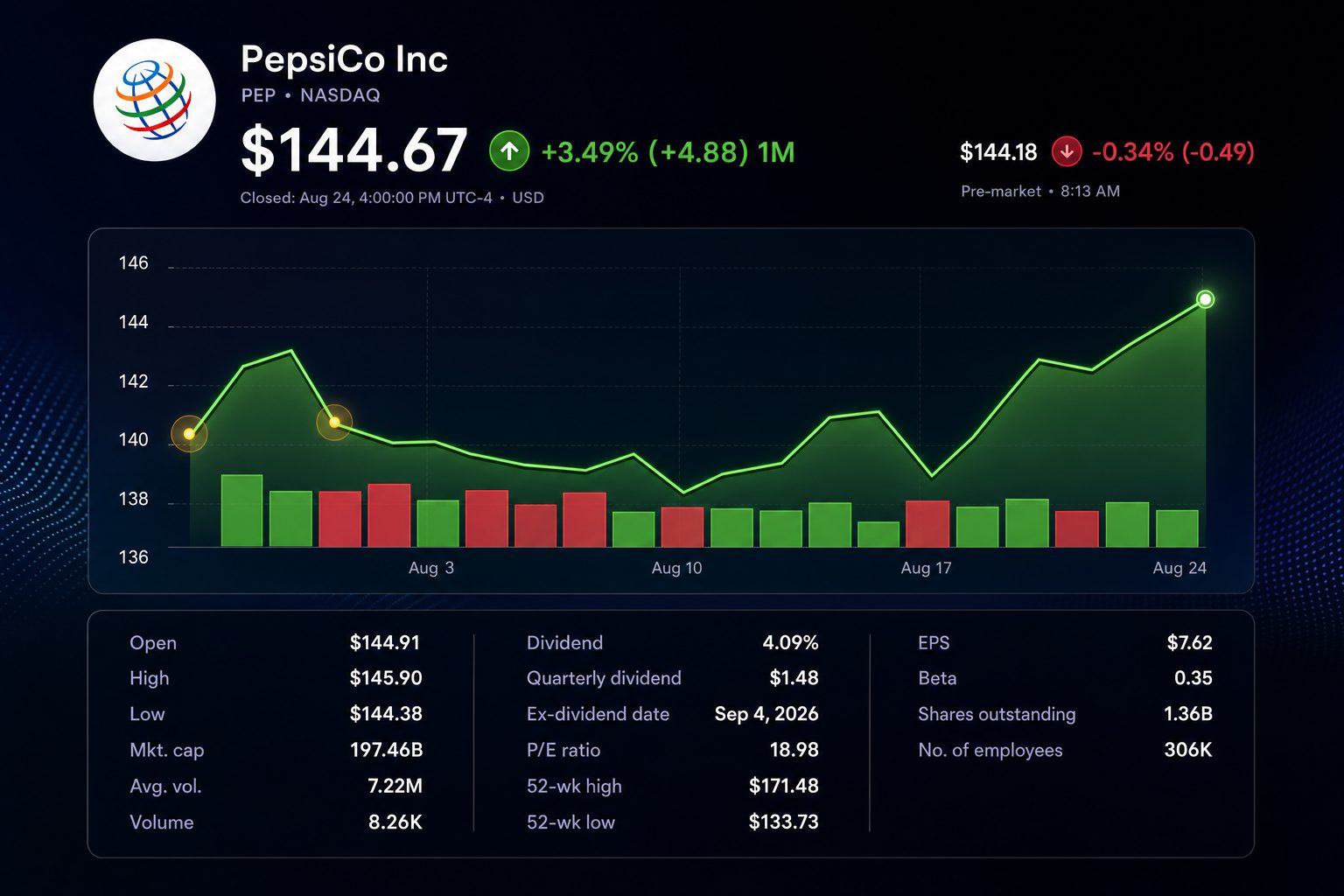
PepsiCo stock finished Monday at $144.67, rising 0.83%. By 08:10 EDT Tuesday, shares were trading at $144.09, a decrease of 0.40% in premarket activity. The stock posted a price-to-earnings ratio of 18.98 and a dividend yield of 4.09%.
| PEP analyst opinion | Rating / price target | Date |
|---|---|---|
| Consensus from 18 analysts | 6 Buy, 12 Hold, 0 Sell; $158.06 average | August 25 snapshot |
| Piper Sandler | Buy; $176 | August 21 |
| Barclays | Hold; $142 | July 21 |
| RBC Capital | Hold; $161 | July 20 |
| Goldman Sachs | Buy; $180 | July 9 |
The average price target suggests a 9.3% gain from Monday’s closing price. However, sentiment stays guarded, with two-thirds of analysts assigning a Hold rating to PepsiCo. This division highlights the stock’s defensive income characteristics, tempered by sluggish North American beverage volumes.
Valuations among beverage sector companies varied. The Coca-Cola Company NYSE:KO had a price-to-earnings ratio of 27.71, compared to Keurig Dr Pepper Inc. NASDAQ:KDP at 32.95. PepsiCo traded at 18.98 times earnings, which was roughly 31.5% lower than Coca-Cola’s multiple, based on Monday’s closing figures.
The rollout is minor in scale for a business expecting almost $94 billion in revenue in 2025. Its main significance is as a test. Metrics such as retail sell-through, Zero Sugar proportions, and repeat orders from Pizza Hut will help determine if wider distribution drives trials before any long-term shelf placements are made.
Risks: Limited editions may drive brief surges in shipments that diminish quickly after release. Should repeat sales stall, or if retailers mark down surplus stock prior to October, introducing five variants would increase complexity while failing to offset falling volumes.
Investors are advised to monitor the difference between disclosed beverage revenue and unit volume. A shrinking gap would indicate that innovation is driving demand, rather than only influencing price and product mix. That remains the key test.