
SEATTLE, August 29, 2026, 21:58 (EDT) — Boeing (NYSE: BA) faces a fresh schedule risk on the 777-9 as contract talks with 17,000 engineers and technical workers resume Monday.
- The first 777-9 delivery is now planned for 2027, seven years after the original target.
- Boeing recorded $8.4 billion of additional 777X reach-forward losses during 2024 and 2025.
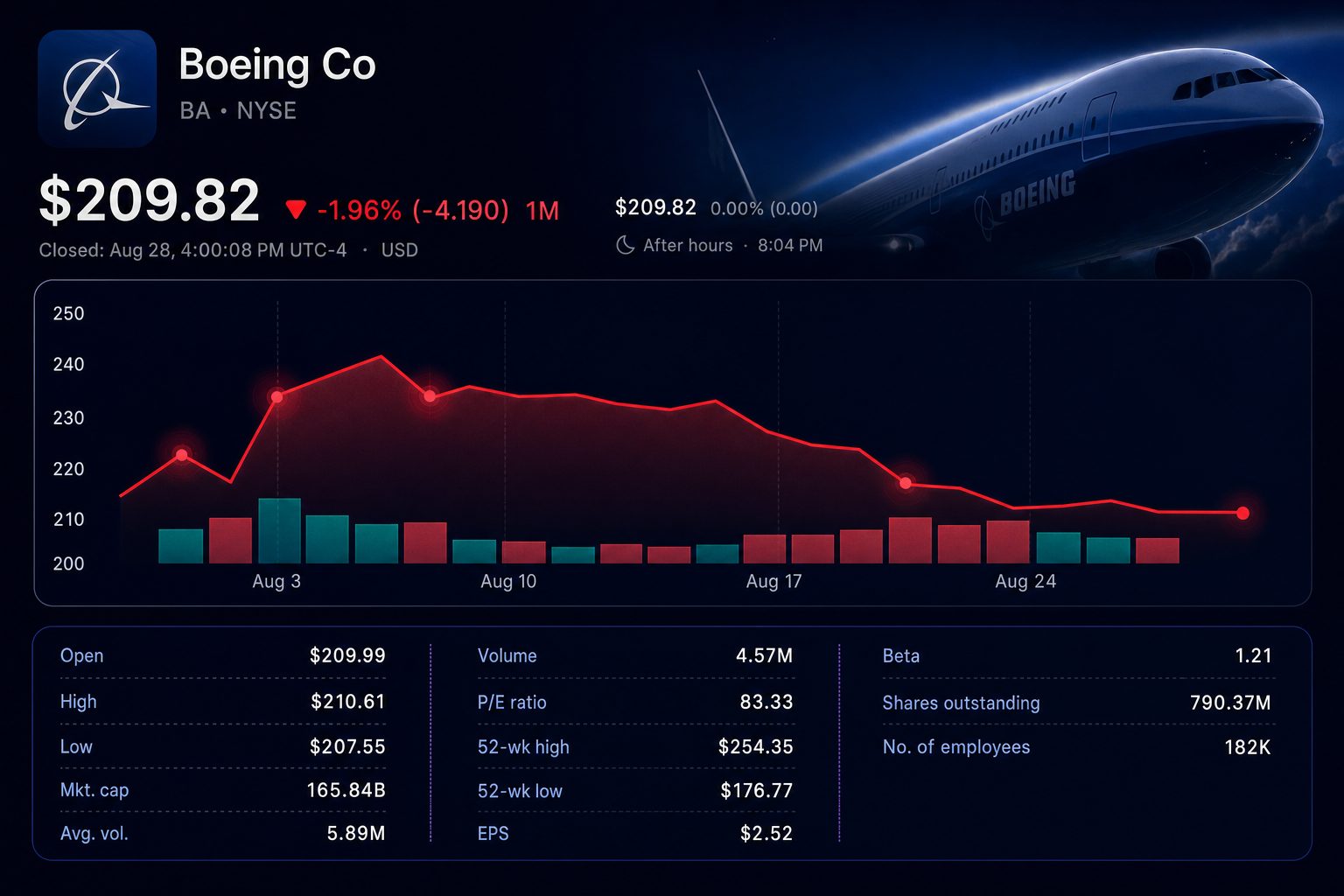
- Shares traded at $209.82 late Friday, down 0.06%, while analysts retained a Buy consensus.
The labor issue matters because certification depends heavily on the same technical workforce. SPEEA members overwhelmingly rejected Boeing’s offer last week. Their current agreement expires October 6.
A strike is not inevitable. Boeing said it wants an agreement before expiration. Still, contractor job postings have turned a wage dispute into a program-timing risk.
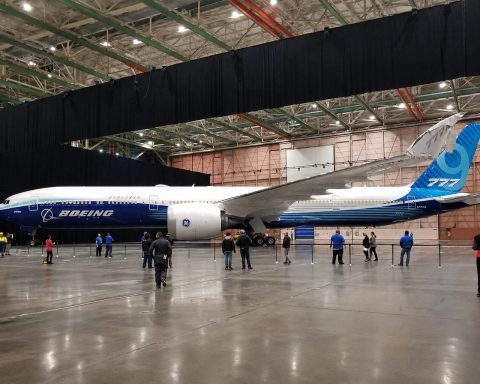
The 777-9 has made visible progress. A seventh aircraft flew on July 29 and is being prepared for extended operations and reliability testing. Boeing still targets certification and first delivery in 2027.
| Measure | Latest verified figure | Investor read-through |
|---|---|---|
| 777X added losses | $4.9bn in 2025; $3.5bn in 2024 | Further delay can reopen program-cost estimates |
| First delivery | 2027 target versus 2020 originally | Cash receipts and customer remedies remain timing-sensitive |
| Boeing Q2 2026 | $24.6bn revenue; $0.6bn free cash flow | Recovery creates capacity to absorb certification work |
| Commercial backlog | $596.7bn at June 30 | Demand is strong, but execution controls conversion to cash |
The financial scar is already large. Boeing booked $4.9 billion of additional 777X losses in 2025 after $3.5 billion in 2024. It also warned that delayed customers may claim compensation or reject individual aircraft.
The wider company is recovering. Second-quarter revenue reached $24.6 billion. Free cash flow turned positive at $631 million, while total backlog rose to a record $715 billion.
That improvement does not erase balance-sheet pressure. Debt stood at $45.9 billion on June 30. First-half capital spending doubled to $2.0 billion, and commercial-airplane research expense reached $1.2 billion.
The product’s economics remain attractive for airlines. Boeing advertises 20% lower fuel use and emissions versus replaced aircraft. It also claims a 10% operating-cost advantage over competing jets.
Late Friday, Boeing traded at $209.82 as of 19:44 EDT. Volume was 4.57 million shares. The move was only 0.06% lower, so the trend reflects program attention rather than a fresh equity shock.
Analysts remain constructive. Twenty-eight tracked analysts carried a Buy consensus and a $274.85 average target, about 31% above Friday’s late price. The range ran from $246 to $305.
Risks: Monday’s meeting may produce progress, removing the near-term labor overhang. Certification could also advance without another material charge. Conversely, a strike or additional FAA work could delay revenue and revive customer claims.
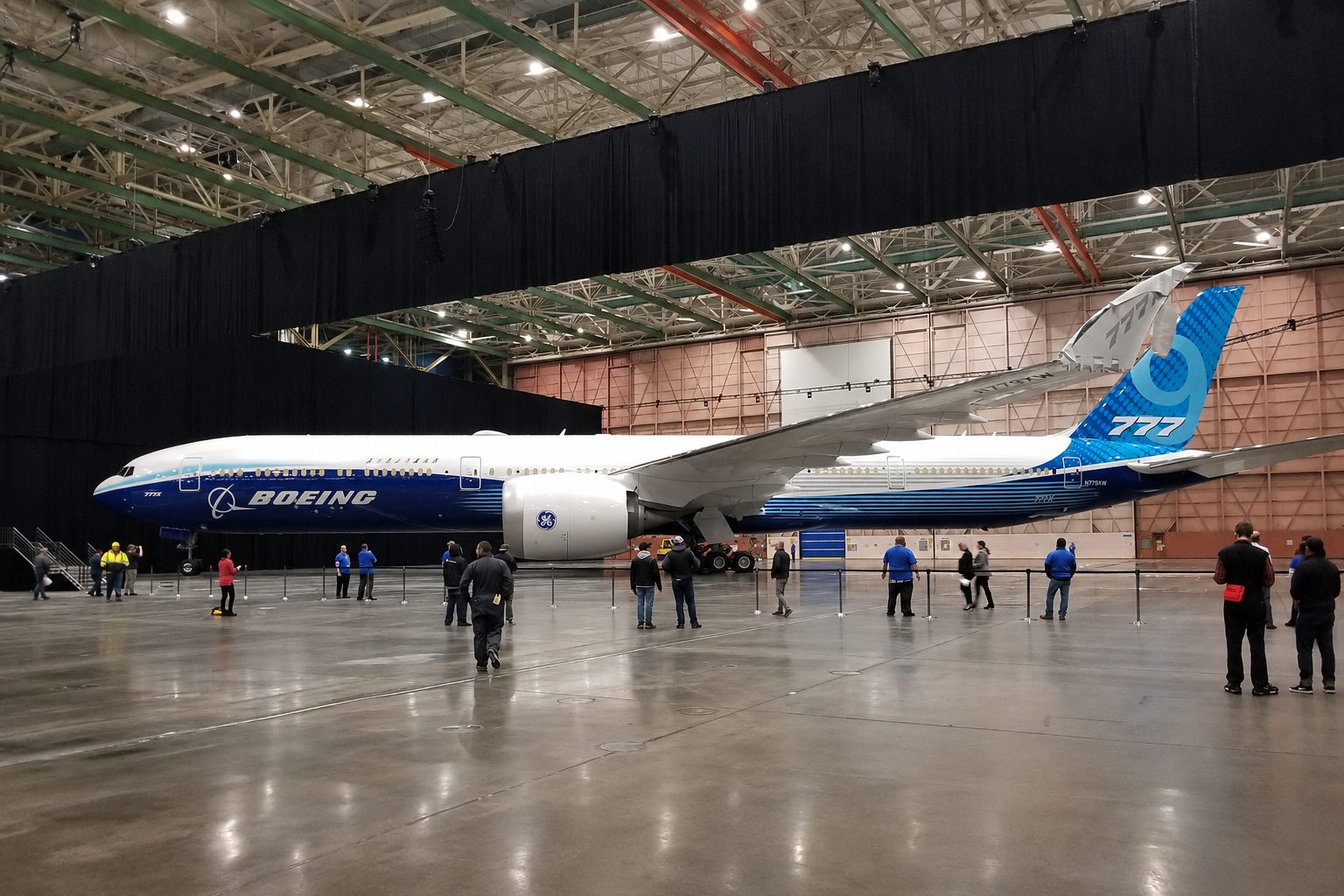
Image source: Dan Nevill via Wikimedia Commons, CC BY 2.0; frame extended for 3:2 presentation.
Related articles: NYSE:BA