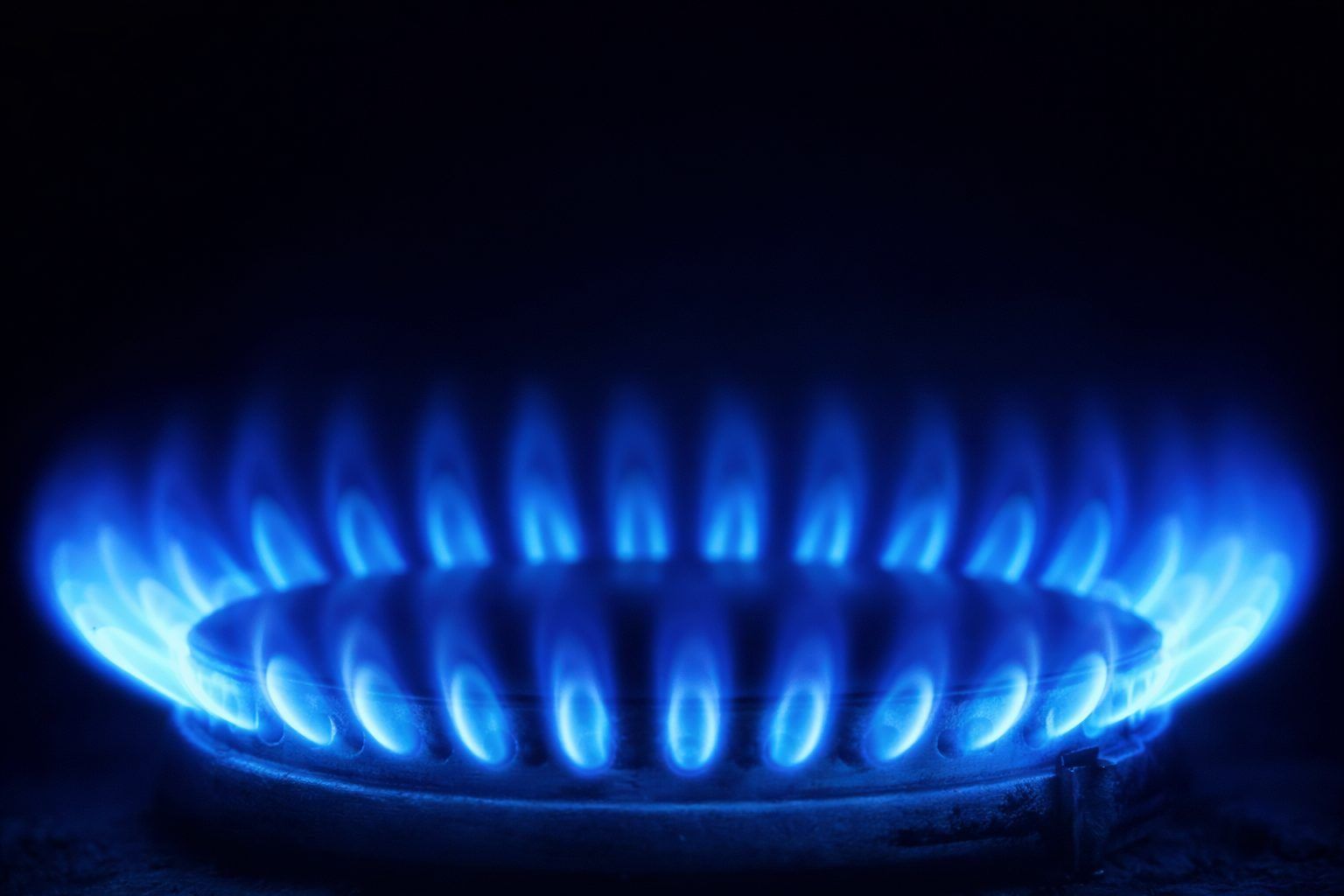

Natural gas markets ended the week with a familiar late‑December tug of war: winter still matters, but the weather outlook is doing most of the talking. In the United States, Henry Hub futures slipped to a fresh seven‑week low as forecasts turned milder and production stayed near record highs—signals that storage may be “good enough” even with winter underway. TradingView
Overseas, Europe’s benchmark gas price nudged higher as expected weaker wind generation pointed to more gas burn for power, while Asia’s spot LNG market sank to a 20‑month low on soft demand and ample supply. Together, the moves underscore a key theme of late 2025: global gas is well supplied, but regional weather—and renewables output—can still jolt prices day to day.
U.S. natural gas: Futures dip to a 7‑week low on milder weather and near‑record output
Front‑month U.S. natural gas futures for January delivery fell 0.7% to about $3.879 per mmBtu, marking the lowest level since late October, according to Reuters pricing cited by TradingView. The contract was down about 6% on the week, extending a sharp December pullback after the market’s early‑month cold‑weather premium faded.
The catalyst was straightforward: forecasts calling for mostly warmer‑than‑normal weather through Jan. 3 cut expected heating demand at the same time the supply side remained heavy. Reuters reported that Lower‑48 output averaged about 109.6 bcfd so far in December, matching November’s record pace.
Just as telling for traders is the “winter risk premium” embedded in calendar spreads. Reuters noted the March–April 2026 premium (a closely watched end‑of‑winter barometer) traded around a record‑low ~1 cent, a sign the market is currently not pricing a late‑season storage squeeze. TradingView
Storage check: The latest EIA draw was bigger than normal, but inventories remain near average
The most recent official storage data (released Thursday, Dec. 18) showed the U.S. pulled 167 Bcf from storage for the week ending Dec. 12, leaving 3,579 Bcf in the ground. Stocks were about 1% above the five‑year average but about 2% below last year at the same point, according to the EIA’s Natural Gas Weekly Update.
That mix—bigger‑than‑normal withdrawals during a cold snap, followed by a warmer forecast—often leads to exactly what the market is doing now: de‑risking winter longs and treating rallies as sell opportunities unless the forecast turns sharply colder again.
LNG exports: Feedgas remains strong, even as the market shifts attention back to weather
One reason U.S. prices have avoided a deeper slide in late 2025 has been LNG demand. Reuters reported average feedgas to the eight major U.S. LNG export plants rose to about 18.5 bcfd so far this month.
But even LNG has nuance right now. Reuters flagged small flow declines at Venture Global facilities in Louisiana in recent days, and also noted that Energy Transfer said it was suspending development of its Lake Charles LNG export project to focus on pipeline investments.
The takeaway: exports are still a structural support, but the short‑term tape is being driven by degree‑day math.
Europe: TTF edges higher as weaker wind boosts gas burn for power, while supply stays comfortable
In Europe, Dutch and British wholesale gas prices edged higher Friday morning, supported by forecasts for lower wind power output—a dynamic that typically increases gas‑fired generation. The Dutch front‑month TTF contract was reported up to about €28.05/MWh (about $9.63/mmBtu) by 0918 GMT, while Reuters noted that solid supply conditions limited the upside.
That “wind vs. gas” linkage has become one of Europe’s most important short‑term drivers since the region pivoted toward LNG and flexible imports: when renewables underdeliver, gas demand rises quickly—especially during winter evening peaks.
Asia LNG: Spot prices hit a 20‑month low as demand stays muted
Asia’s spot LNG market continued to soften. Reuters reported the average LNG price for February delivery into Northeast Asia was assessed around $9.50/mmBtu, down from about $10 the prior week and the lowest since April 2024.
Analysts cited by Reuters pointed to a combination of factors keeping buyers cautious: soft Northeast Asian gas demand, steady Chinese pipeline gas supply, and strong Japanese renewable generation reducing LNG needs. Market participants also said Chinese buying interest had not “really shown up” at current levels, with some buyers indicating lower target prices. TradingView
Meanwhile, Reuters also highlighted that the Atlantic‑to‑Asia arbitrage continued to favor Europe—another sign that the global LNG system is prioritizing whichever basin is bidding most consistently, rather than reflecting a broad demand surge.
Global snapshot: Benchmarks are clustered around $9–$10 outside the U.S.
One of the striking features of this week’s tape is how tightly Europe and Asia are trading relative to each other—while the U.S. remains cheaper on an absolute basis. Reuters’ global benchmark table showed Henry Hub around $3.94/mmBtu, with Europe’s TTF near $9.72 and Asia’s JKM near $9.56 at the time of reporting.
For LNG flows, that clustering matters: when Europe and Asia converge, cargoes become highly sensitive to short‑term shipping costs, route constraints, and brief weather shocks.
Forecasts and outlook: More LNG supply in 2026 keeps a lid on prices, but winter volatility remains
A notable 19 December outlook came from Fitch Ratings, which said the sector is entering an “oversupply” phase with disciplined spending and expanding global supply. Fitch expects a lower average European TTF natural gas price in 2026 (about $9/mcf, down from $12/mcf in 2025), citing increased LNG availability as new liquefaction projects come online—particularly in the U.S., Qatar, and Canada. TradingView
For the U.S., Fitch said it assumes Henry Hub prices remain “fairly high” in 2026, but flagged risks around winter weather volatility, storage levels, and producer discipline—exactly the variables currently driving the day‑to‑day tape in late December. TradingView
What to watch next in natural gas markets
Here are the catalysts traders and consumers are likely to focus on into year‑end:
- U.S. weather revisions (late Dec–early Jan): Any sharp swing colder can quickly reprice January–March contracts; continued warmth supports the bearish case.
- LNG feedgas stability: Strong flows remain a key demand pillar; outages or maintenance can ripple into Henry Hub pricing.
- Europe’s wind generation outlook: Lower wind boosts gas burn for power and can firm TTF even when broader supply looks comfortable.
- Asia spot buying appetite: If prices fall far enough to trigger price‑sensitive demand (especially in China), the floor could appear quickly—if not, the market may keep grinding lower.
- The 2026 supply wave: Longer‑dated pricing will increasingly reflect expectations for incremental LNG capacity and how quickly demand grows to absorb it.
As of Dec. 19, the message from prices across the Atlantic basin is clear: winter isn’t over, but the market currently believes supply is ample—unless the weather changes the story fast.