SAN JOSE, California, March 17, 2026, 06:02 (PDT).
Nvidia is eyeing a revenue potential of at least $1 trillion for its AI chips through 2027, the company said, as it rolled out a batch of new hardware at its GTC event. The focus this time: inference—the process that lets AI models serve up results to real-world users. On Monday in San Jose, CEO Jensen Huang showed off a Vera CPU and a Groq-based system. Reuters
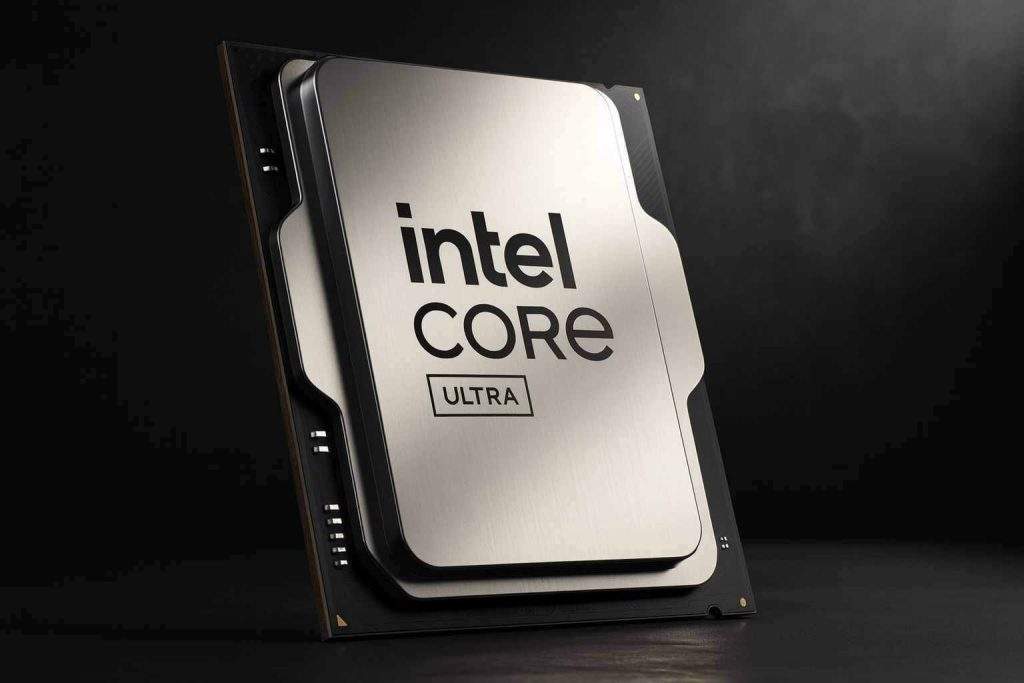
This timing is deliberate. Inference—the point when a trained model responds to a prompt—now marks the next big wave of AI spending. Nvidia’s graphics processors, dominant so far, are seeing sharper competition on this front from Google’s custom chips and CPUs coming from Intel and Advanced Micro Devices. Reuters
“The inference inflection has arrived,” Huang said, pointing to customers moving past just building models—they’re rolling them out to hundreds of millions now. Nvidia, already on a strong run after last month’s fiscal 2026 revenue of $215.9 billion, is looking for $78 billion in sales this first quarter. Reuters
Nvidia’s latest architecture splits up the workflow: Vera Rubin chips are in charge of the prefill phase—taking user requests and breaking them into AI-readable tokens. Groq hardware steps in for the decode phase, generating the responses. Nvidia says its Vera Rubin platform has now hit full production, running seven chips across five rack-scale systems. NVIDIA Newsroom
The company is pitching the move as something beyond just a chip upgrade. Jacob Bourne, analyst at eMarketer, noted the larger goal suggests sustained appetite for Nvidia’s infrastructure. Still, investors continue to question whether the broader wave of AI spending will actually translate into lasting gains. Reuters
Bob O’Donnell, who heads Technalysis Research, points out that Nvidia isn’t just selling a single processor anymore. Now, the company is turning up with a whole rack—computing, networking, storage—on offer. That move signals Nvidia’s push to claim a bigger chunk of every AI data-center rollout. Reuters
Nvidia has expanded its manufacturing partnerships. CEO Jensen Huang revealed that Samsung is producing the Groq LP30 chip using a 4-nanometer process, with shipments expected to start in the second half of 2026. That news pushed Samsung shares up by as much as 5% in Seoul on Tuesday. Reuters
Nvidia shares traded around $183.22 on Tuesday, putting its market cap near $4.53 trillion. The stock’s move looked slight, but Nvidia’s signal to Wall Street was anything but: the company wants investors focused on AI demand shifting toward model serving, not just training. Reuters
Still, the easy stretch might be behind Nvidia. KinNgai Chan, managing director at Summit Insights Group, puts Nvidia’s current grip on the training and inference markets at “close to over 90%.” He’s looking out to 2027 for signs of erosion, with customers likely to step up their own application-specific chips—especially targeting inference workloads. Reuters
Back in February, Nvidia pitched a $500 billion market for its Blackwell and Rubin chips through 2026. Now, on Monday, that number got bumped up to nearly double, putting fresh pressure on the rest of GTC, set to continue through Thursday in San Jose. Reuters