
NEW YORK, January 1, 2026, 16:50 ET
- Chinese tech firms have ordered more than 2 million Nvidia H200 AI chips for 2026 delivery, sources said.
- Nvidia has approached TSMC to ramp production, while Beijing has yet to approve H200 imports.
- Strategists say 2026 performance for AI-linked stocks hinges on whether companies stick with big data-center spending plans.
Chinese technology companies have ordered more than 2 million of Nvidia’s H200 artificial intelligence chips for delivery in 2026, far above the roughly 700,000 units the company has in stock, sources told Reuters. Nvidia has approached Taiwan Semiconductor Manufacturing Co to ramp production, with work expected to start in the second quarter of 2026, the people said.
The sudden rush is a key input to the Nvidia stock forecast for 2026 as investors look past year-end trading and toward what could drive earnings next. Nvidia shares rose about 39% in 2025 and briefly became the first publicly traded company to hit a $5 trillion market capitalization, a Reuters market report showed.
Wall Street is entering 2026 with less room for valuations to rise, putting more pressure on profit delivery, according to a Reuters analysis citing strategists and LSEG earnings research. In that backdrop, pullbacks in AI “capex” — capital expenditures, the money companies spend on data centers and servers — would leave markets facing “more of a flat or even a modestly down year,” Jeff Buchbinder, chief equity strategist for LPL Financial, said. Reuters
In a separate report, the South China Morning Post said ByteDance plans to spend about 100 billion yuan ($14.29 billion) on Nvidia AI chips in 2026, up from roughly 85 billion yuan in 2025, if Nvidia is allowed to sell its H200 graphics processing units in China. Reuters could not immediately verify the report.
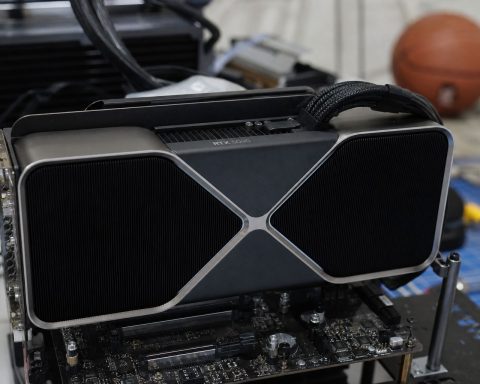
The H200 is a graphics processing unit, or GPU — a specialized chip used to train and run AI software. Nvidia has been focused on ramping its newer Blackwell line and its upcoming Rubin chips, but the sources said the China demand is now pulling attention back to the prior-generation H200.
The China-linked upside comes with policy risk. Beijing has yet to greenlight any H200 imports, even after the administration of U.S. President Donald Trump recently allowed exports of the H200 to China with a fee, according to the Reuters report.
Supply-chain policy is also shifting in parallel. The U.S. government has granted TSMC an annual license to import U.S. chipmaking equipment to its facilities in Nanjing, China — an approval TSMC said would ensure uninterrupted operations and product deliveries.
Washington has also granted annual licenses for 2026 allowing Samsung Electronics and SK Hynix to bring in chipmaking equipment to their facilities in China, two people familiar with the matter told Reuters. The report noted that memory chip prices have been surging due to demand from AI data centers and tightened supplies.
For Nvidia investors, the near-term question is whether heavy China demand adds new revenue in 2026 or simply reshuffles a supply crunch that already limits how many systems can be built and shipped worldwide. Any bottleneck — from foundry capacity to memory supply — can ripple into delivery timelines.
The competitive backdrop is tightening at the same time. AMD and Intel are pushing their own data-center accelerators, while Chinese chip suppliers are trying to close the gap, raising the stakes for Nvidia’s product cadence and pricing power.
The 2026 outlook for NVDA will likely turn on a handful of signposts: whether Chinese regulators approve H200 imports, whether additional production starts on schedule in the second quarter, and whether the largest cloud and internet buyers sustain their spending plans.
For now, the new China order details have reinforced a familiar theme for 2026: Nvidia’s stock will trade less on big-picture AI optimism and more on hard evidence that supply, policy and customer budgets line up.
Related articles: NASDAQ:NVDA