NEW YORK, March 30, 2026, 09:02 EDT
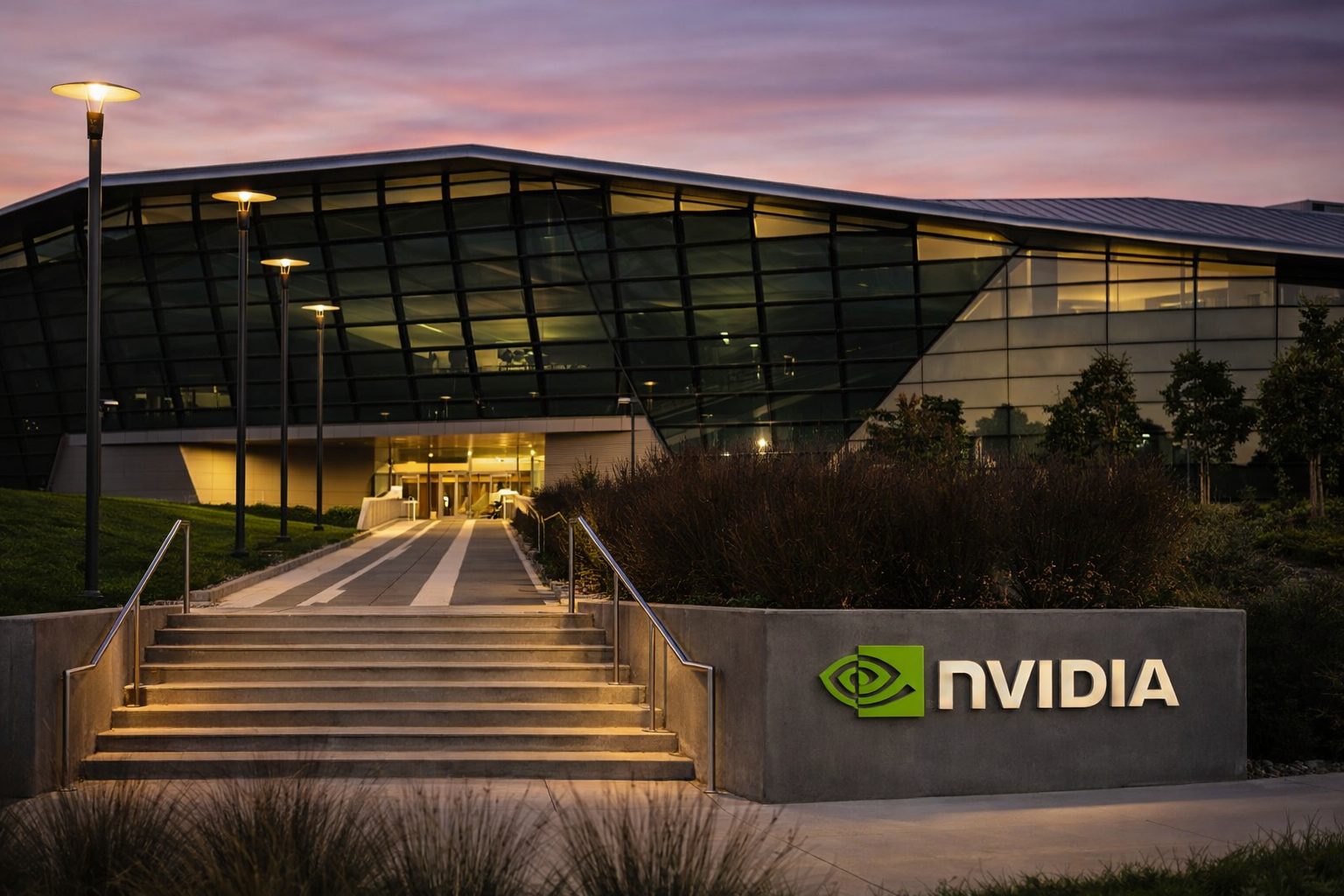
Nvidia Corp’s forward price-to-earnings ratio has slumped to its lowest point since early 2019—a striking reversal for the chipmaker that has become the face of Wall Street’s AI enthusiasm. Shares sit nearly 20% off the October record, and right now, the stock is trading at about 19.6 times projected 12-month earnings. That’s just under the S&P 500’s multiple, which hovers near 20. The gap stands out, considering analysts expect Nvidia’s profits to jump more than 70% this fiscal year. For the S&P 500, that number is closer to 19%. Reuters
The reset’s underway, but fresh demand isn’t letting up. On Monday, Mistral confirmed to Reuters it secured $830 million in debt, targeting 13,800 Nvidia chips for a new data center near Paris. CEO Arthur Mensch called it “critical” to scale infrastructure in Europe to support AI innovation and autonomy. Reuters
Nvidia stoked the demand narrative last month, projecting first-quarter revenue of $78 billion—topping Wall Street’s expectations—after its January-quarter numbers beat forecasts. Still, the focus from investors was less on expansion and more on what the company would return to shareholders. Chief Executive Jensen Huang stuck to his outlook, saying, “This new way of doing computing is not going to go back.” Ken Mahoney at Mahoney Asset Management called much of the optimism “baked in to the cake.” Reuters
At GTC this month, Huang looked to steer the discussion in a new direction, projecting Nvidia’s revenue potential from its Blackwell and Rubin AI systems could climb to at least $1 trillion by 2027. “The inference inflection has arrived,” he said—referring to the point where AI handles real-time queries and tasks. eMarketer analyst Jacob Bourne noted the ambitious target reflected strong, sustained demand, despite investor concerns about how fast the spending will pay off. Reuters
Nvidia’s footing isn’t as secure as it once was. As AI work shifts from model training toward inference, some of that activity is already moving onto CPUs or custom silicon tailored for certain tasks—giving rivals like AMD a shot, and giving major clients incentive to design their own chips. “Nvidia still controls more than 90% of training and inference,” Summit Insights’ KinNgai Chan said, but he anticipates that share will start slipping in 2027, once those in-house chip efforts finally reach scale. Reuters
The order book remains substantial. Amazon Web Services has committed to purchasing 1 million Nvidia GPUs—plus networking equipment and other AI tech—before 2027 closes. “Inference is wickedly hard,” said Ian Buck, Nvidia’s VP for hyperscale and HPC, adding that AWS is planning to deploy seven different Nvidia chips for those tasks. Reuters
The downside’s hard to ignore. On Monday, Morgan Stanley slapped an “equal weight” rating on global equities, citing the Middle East conflict’s push to cash and U.S. Treasuries. Brent’s now trading above $116 after rocketing 59% this month. The bank warned: if oil hangs out in that $150 to $180 range, global equity valuations might drop close to 25%. Fed officials are sounding the alarm too—rising oil and gasoline could rattle inflation expectations, which tends to knock pricey tech stocks first. Reuters Reuters
China’s role remains a moving target. Earlier this month, Huang said Nvidia resumed making a compliant H200 variant for the Chinese market, having secured the necessary licenses and orders. Still, those units aren’t baked into Nvidia’s $1 trillion projection for Blackwell and Rubin. “Our supply chain is getting fired up,” Huang said. Reuters
Nvidia, for the moment, is caught in a strange spot. Demand is still strong—orders are rolling in and the revenue outlook stays massive. But the market isn’t giving the stock the AI royalty treatment anymore. Instead, it’s being lumped in with other chipmakers, and investors want to see concrete returns instead of just big spending numbers.