
Houston — May 5, 2026, 17:09 CDT
Occidental Petroleum topped Wall Street’s Q1 profit estimates Tuesday, buoyed by increased domestic output despite swings in oil prices and turbulence in the Middle East hitting other segments. The company reported adjusted earnings of $1.06 a share—well ahead of the 58 cents analysts were looking for, LSEG figures show, according to Reuters.
Occidental is under pressure to show it can maintain cash generation as it chips away at debt and gets ready for a CEO transition. As of May 5, the company had paid back $7.1 billion in principal, lowering total debt to $13.3 billion. The goal: get that figure down to $10 billion.
Occidental posted net income for common stockholders of $3.2 billion, translating to $3.13 per diluted share. Adjusted income from continuing operations, which excludes certain one-off items, came in at $1.1 billion, according to the company.
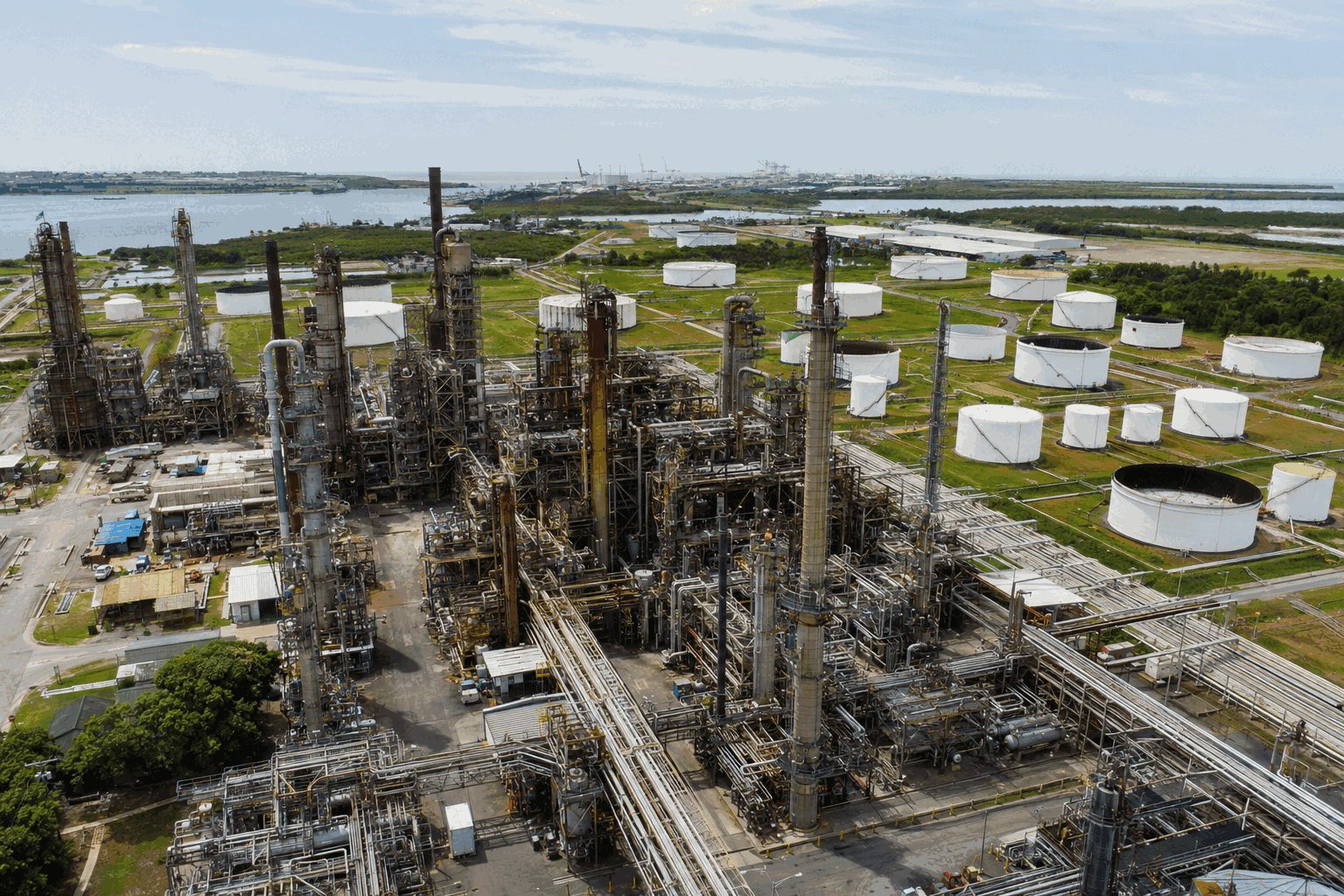
Output pulled ahead, with total production hitting 1.426 million barrels of oil equivalent per day—known as boed, the industry measure blending oil and gas. That number landed above the upper range of Occidental’s outlook. The company pointed directly to its Permian, Rockies, and Gulf of America businesses as the drivers behind the boost.
Oil and gas pre-tax income jumped to $1.0 billion, up from $700 million in the fourth quarter. Crude prices worldwide averaged $69.91 a barrel, an 18% increase over the previous quarter. On the flip side, domestic gas prices slid 10% to $1.01 per thousand cubic feet, according to the filing.
Chief Executive Vicki Hollub called out “disciplined execution” for the quarter, even with headwinds in the Middle East. She highlighted cost reductions, better efficiency, and more deleveraging—the company’s shorthand for trimming debt.
The headline beat came with a caveat. Revenue landed at $5.11 billion, falling short of the $5.49 billion consensus. According to Reuters, Occidental trimmed its full-year production target, now guiding for 1.41 million to 1.46 million boed, down from the previous 1.42 million to 1.48 million range. Looking to the current quarter, management expects output between 1.39 million and 1.43 million boed.
Lower realizations “were likely a timing issue,” Melius Research analyst James West told Reuters. The snag traces back to derivatives—those financial contracts firms rely on to hedge price volatility—and also to the timing of when sales of physical cargoes hit the books. Reuters
The peer results landed on both sides of the line. Reuters noted that Exxon Mobil and Chevron—both bigger, with far-flung operations—saw first-quarter earnings drop, hit by accounting quirks around derivative timing. Occidental, on the other hand, got a boost from heavier U.S. shale output and managed to beat profit expectations.
Occidental finished Tuesday at $59.34, slipping roughly 1.5% before results dropped. Exxon advanced, and Chevron posted small gains. Post-earnings, Occidental shares ticked up, according to Investing.com.
Just days before the results, Occidental announced Hollub’s plan to step down as president and CEO on June 1, handing the reins to Chief Operating Officer Richard Jackson. Hollub will keep her board seat; Jackson is joining the board too, according to the company.
Now comes a tougher stretch: maintain cash flow, control spending, and still meet debt goals, assuming oil prices don’t settle down. Occidental’s solid quarterly results offer some cushion, though its trimmed production forecast hands investors a new figure to track.
Related articles: NYSE:OXY