NEW YORK, Jan 28, 2026, 06:35 (EST) — Premarket
Oil prices eased on Wednesday after a storm-driven rally, with traders still focused on near-term supply disruption risk. Brent crude was down 35 cents, or 0.5%, at $67.22 a barrel, while U.S. West Texas Intermediate (WTI) slid 21 cents, or 0.3%, to $62.18.
Both benchmarks settled about 3% higher on Tuesday as the market priced in the hit from freezing weather across the United States. Brent settled up $1.98 at $67.57, and WTI ended up $1.76 at $62.39. “The recovery of Tengiz production seems to be happening slower than earlier expected, keeping the oil market tighter,” UBS analyst Giovanni Staunovo said. Reuters
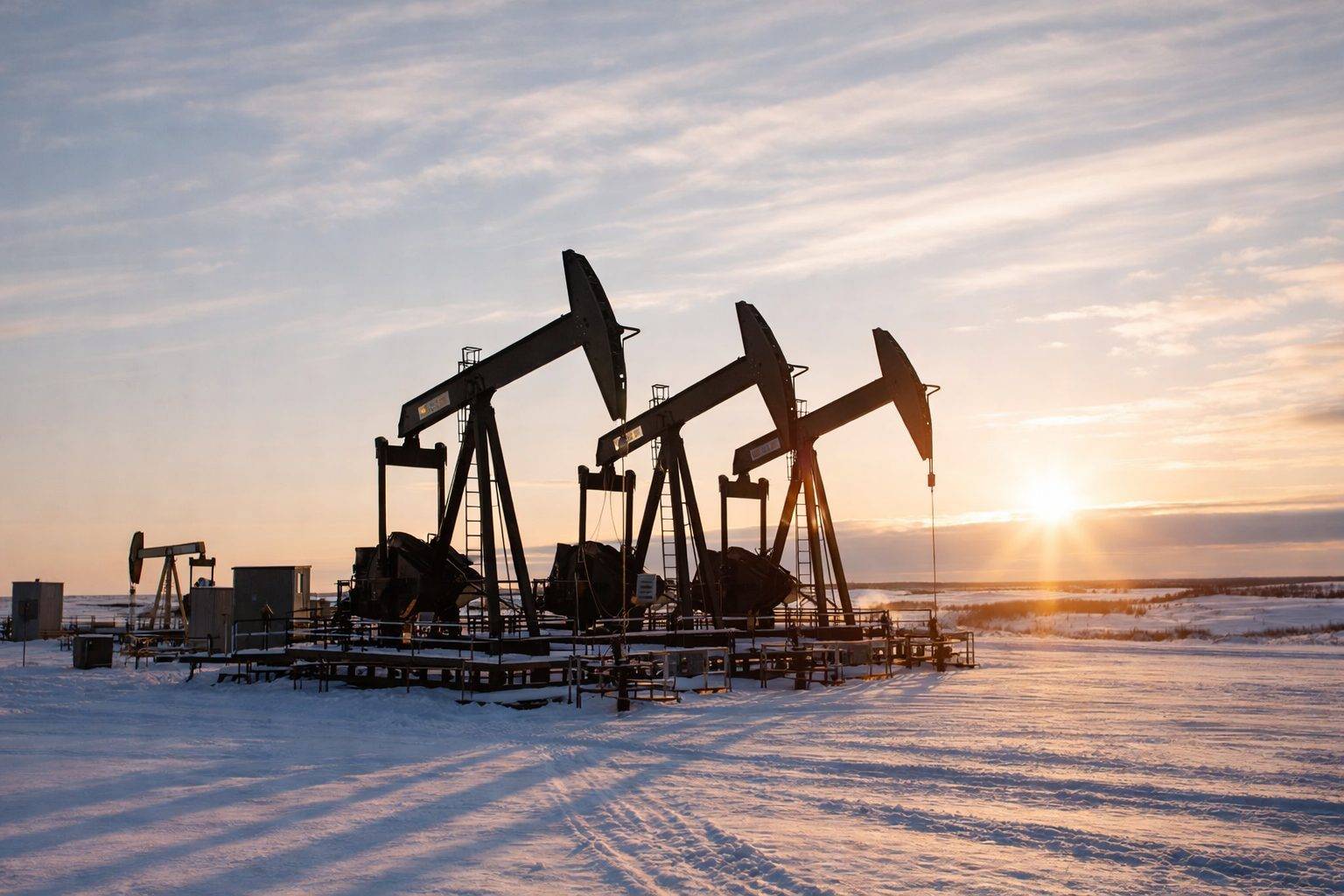
The cold snap also disrupted flows out of the Gulf Coast, where ports were shut as a precaution and tankers backed up. Crude exports were around 4.2 million barrels per day on Saturday, fell to zero on Sunday and then climbed to 4.4 million bpd on Monday, Vortexa data showed.
Outside the U.S., supply risk has been coloured by Kazakhstan, where the Chevron-led Tengiz field has been recovering from a fire and a power outage. Sources said the giant field was likely to restore less than half of normal output by Feb. 7, and its operator has maintained a force majeure on CPC Blend shipments — a legal notice that can suspend delivery obligations.
A weak dollar has been another prop, making dollar-priced oil cheaper for many importers. Investors are also watching a Feb. 1 OPEC+ meeting after delegates signalled the producer group will keep its pause on March output increases, while U.S. officials work on a general licence that could lift some sanctions on Venezuela’s energy sector. A U.S. aircraft carrier and supporting warships have arrived in the Middle East, keeping an Iran-related risk premium in the background.
OPEC+ is the Organization of the Petroleum Exporting Countries and allies, including Russia. The group’s stance matters because it controls a large share of global supply and can tighten or loosen the market by changing output.
Still, the storm premium can fade fast if barrels come back cleanly. Production outages peaked on Saturday and then eased, with Permian Basin shut-ins estimated around 700,000 bpd on Monday and output expected to be fully restored by Jan. 30. “All in all, crude remains in a holding type trade pattern until more is known about how the Trump Administration will handle Iran,” said Dennis Kissler, senior vice president of trading at BOK Financial. Reuters
Traders’ next hard data point is U.S. government inventory figures due later on Wednesday. The market is looking for the split between crude, gasoline and distillates — diesel and heating oil — as the cold weather shifts refinery runs and fuel demand.
After that, attention turns to Feb. 1, when OPEC+ meets, and to any signal from Washington on Venezuela licences that could change the supply outlook into February.