
SINGAPORE, March 19, 2026, 15:26 (UTC+08:00)
Oil prices shot higher Thursday, with Brent spiking to $112.86 a barrel at one point after Iran struck energy targets in Qatar, Saudi Arabia, and the United Arab Emirates. The attack, which came in response to a hit on Iran’s South Pars gas field, also sent U.S. West Texas Intermediate up to $97.28. Phillip Nova analyst Priyanka Sachdeva called out the risk of a “prolonged disruption in oil supplies.” Reuters
This shift is significant. Conflict is now targeting oil and gas infrastructure instead of tankers or transit routes. The Strait of Hormuz faces ongoing disruption, and Qatar’s LNG production stays offline—leaving about 20% of the world’s LNG supply vulnerable if the stoppage continues past May.
Iranian missile strikes dealt “extensive damage” to Ras Laffan, Qatar’s main LNG complex, according to QatarEnergy. Over in Abu Dhabi, authorities suspended gas operations at Habshan following successful missile interceptions. Shell, which holds the title as the world’s top LNG trader, said it’s still evaluating how the situation at Ras Laffan—including its Pearl plant—has been affected. Reuters
Jitters rippled through markets, with Asian shares dropping and European futures under pressure. For many investors, the conflict no longer looked like just a local disturbance—”it is now hitting the plumbing of the global energy system,” said Charu Chanana, chief investment strategist at Saxo in Singapore. Reuters
Trump, speaking late Wednesday, said Israel launched the South Pars attack on its own—no U.S. or Qatari hand in it—and then he warned Washington would target those installations if Iran went after Qatar again. South Pars, a massive natural gas field straddling Iran and Qatar, now finds itself pulled into the conflict. The development has stoked concerns that Gulf producers and main export routes could get drawn in further.
Talk of Brent hitting triple digits is no longer taboo. Its all-time high stands at $147.50, set in 2008, but Wood Mackenzie is quoted by Al Jazeera eyeing $150 soon—$200 by 2026 isn’t “outside the realms of possibility.” Vanda Insights’ Vandana Hari even called $200 “within sight” for certain Middle Eastern grades if the Strait of Hormuz remains shut. Not everyone’s convinced: Sasha Foss at Marex called the $200 figure “pretty outlandish,” citing added supply from the U.S., Canada, Brazil, Argentina, Guyana and Saudi crude moving through the East-West pipeline. Al Jazeera
Europe faces rising pressure. EU leaders gather this Thursday, but options to cushion the spike in imported fuel costs look thin. Since the war’s start on Feb. 28, European benchmark gas prices have soared over 60%, with Italy, Hungary, and Romania—countries reliant on gas-fired power—bearing the brunt.
Hints of workaround efforts are emerging. White House economic adviser Kevin Hassett noted tankers have begun to “dribble through” Hormuz. Iraq, for its part, said it’s working to restart the Kirkuk-Ceyhan pipeline to Turkey to create another crude export route. Reuters
Competition among crude benchmarks and exporters is shifting fast. Brent’s premium over WTI blew out to $12.05, the widest gap in over a decade. That’s enough to make U.S. barrels attractive to European buyers, even with costlier shipping. “More Brent rallies” are on deck, according to Sparta Commodities analyst Neil Crosby, who points to infrastructure attacks as the main trigger. Reuters
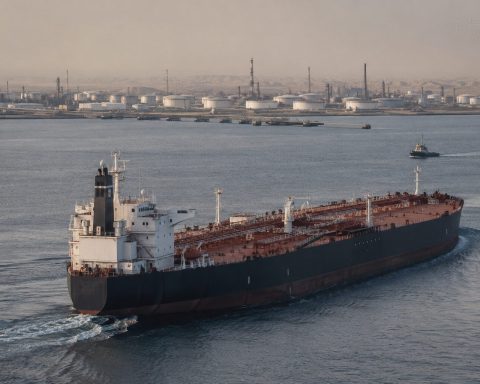
Traders’ focus has shifted from just futures screens. A U.N.-supported plan to open a secure corridor for merchant ships is now in play, after hundreds of vessels dropped anchor and roughly 20,000 seafarers were stranded in the Gulf. The implication: oil’s next move could hinge as much on whether shipping lanes stay safe as on any fresh missile strikes.
Related articles: Energy Markets