NEW YORK, March 28, 2026, 15:06 (EDT)
Oil ended the week on a stronger note Friday. Brent crude, serving as the international benchmark, wrapped up at $112.57 a barrel, while U.S. West Texas Intermediate (WTI) closed at $99.64. Ongoing skepticism about any ceasefire in the month-old Iran war kept traders on edge. Over the week, Brent edged up roughly 0.3%; WTI advanced more than 1%. Price action stayed choppy throughout. Reuters
The oil shock isn’t just a futures story anymore. On Saturday, India flagged downside risks to its 7.0%-7.4% growth outlook for the coming fiscal year, starting April 1, citing a jump in freight and energy costs tied to the conflict. About a fifth of global oil passes through the Strait of Hormuz, now disrupted. Reuters
Egypt has started rationing as the pressure mounts. Prime Minister Mostafa Madbouly announced that Cairo plans to pause fuel-intensive state projects for no less than two months, slash government vehicle fuel use by 30%, and roll out expanded remote work on Sundays throughout April—all efforts aimed at easing the impact of pricier imports. Reuters
The speed of the reversal on Monday was striking. Brent plunged 10.9% to $99.94, while WTI slumped 10.3%, ending at $88.13. President Donald Trump announced a five-day delay on planned strikes targeting Iranian power facilities and referenced “constructive” discussions with Tehran. Reuters
Tuesday saw Brent jump 4.55% to close at $104.49, with WTI not far behind—up 4.79% at $92.35—amid ongoing supply snags. “Mixed signals” from the market, analyst Phil Flynn of Price Futures Group remarked. Tradu.com’s Nikos Tzabouras pointed out that, despite the noise, the “reality on the ground” looked the same. Reuters
Wednesday’s direction reversed course yet again. Brent shed 2.2% to finish at $102.22, with WTI also dropping 2.2% to $90.32 as Iran weighed a U.S. offer. Ritterbusch & Associates described the crude market as likely to keep “zig and zag” on war-related headlines—clear evidence that volatility, not firm conviction, is steering prices. Reuters
Policy whiplash hit again Thursday. Trump announced a 10-day halt on strikes targeting Iran’s energy infrastructure, setting the pause until April 6, 8 p.m. Eastern Time, and claimed negotiations were “going very well.” Optimism sputtered, though. Iran kept firing back and stuck to tough movement restrictions through Hormuz, although “non-hostile vessels” could still transit if coordinated. Reuters
Come Friday, the geopolitical premium was back in force—traders were shelling out for supply risk. Global stocks slid. “Words alone aren’t cutting it right now,” said Matt Britzman at Hargreaves Lansdown. Dan Boston from Polar Capital flagged that if Hormuz stays shut longer, shipping and food costs get pushed further into inflation, denting consumer confidence. Reuters
This supply squeeze isn’t theoretical. Kuwait Petroleum CEO Sheikh Nawaf Saud Al-Sabah says Gulf producers—Saudi Arabia and the United Arab Emirates among them—have already had to cut crude output. He called the situation an episode “holding the world’s economy hostage.” Even if the war stopped immediately, Kuwait would still need three to four months to get back to full production, he said. Reuters
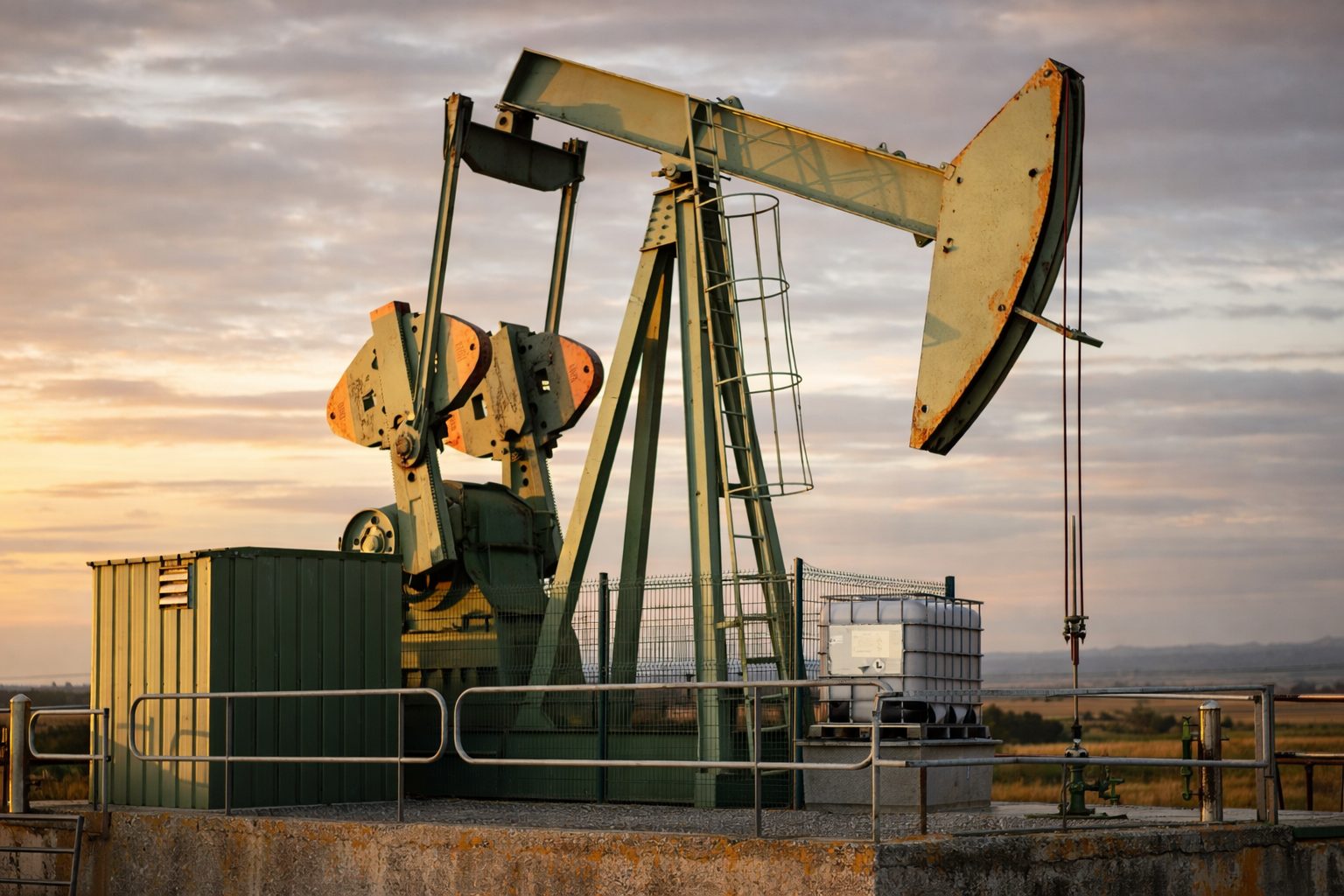
U.S. shale isn’t ramping up quickly enough to erase the supply gap. The latest Baker Hughes data put the national oil and gas rig count at 543, down nine on the week and now the weakest since January 16. Oil rigs alone slipped by five, landing at 409. Reuters
But there’s no guarantee the surge will hold. Barclays expects Hormuz flows to get back to normal as soon as early April under its base scenario, with Brent at $85 a barrel for 2026. Ship-tracking data from LSEG and Kpler showed two liquefied petroleum gas carriers bound for India moving through the strait on Saturday. Still, the bank cautioned that if the disruption drags on, as much as 13 million to 14 million barrels a day could be lost. Reuters