
London, Feb 10, 2026, 11:20 GMT — Regular session
- Brent lost 24 cents, landing at $68.80 a barrel. WTI eased down 30 cents to $64.06.
- U.S.-Iran tensions and fresh shipping guidance for the Strait of Hormuz kept traders’ attention locked in.
- Traders are eyeing U.S. oil inventory numbers set for release Wednesday, with the data seen as the next catalyst.
Oil eased back on Tuesday, giving up some of Monday’s gains as traders kept a close eye on potential supply shocks stemming from escalating U.S.-Iran friction. Brent crude slipped 24 cents to $68.80 a barrel by 1002 GMT, a 0.35% drop. U.S. West Texas Intermediate lost 30 cents, or 0.47%, to $64.06. “Unless there are concrete signs of supply disruptions, prices will likely start going lower,” said Tamas Varga, oil analyst at PVM. Reuters
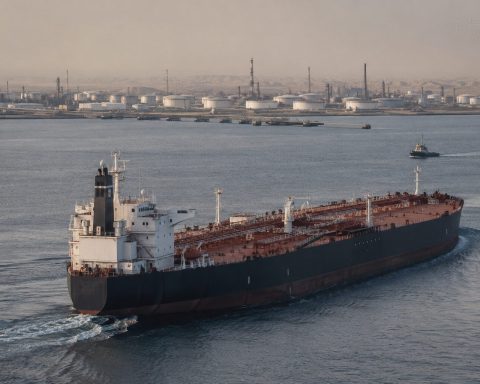
Washington’s newest advisory to ships in the region set things off. The U.S. Department of Transportation’s Maritime Administration told U.S.-flagged commercial vessels to keep their distance from Iran’s territorial waters when crossing the Strait of Hormuz, and, per the guidance posted online, to refuse if Iranian forces attempt to board.
Headlines like that keep a risk premium—buyers shelling out extra for a shot at disruption—baked into crude prices, even if supply isn’t short. Reuters reported Monday that the CBOE crude oil volatility index just hit its highest mark since last June. The International Energy Agency, meanwhile, still sees output topping demand by 3.7 million barrels per day this year. The oil forward curve? Deep backwardation, with front-month contracts trading well above later ones—typically a sign of a market worried about near-term supply.
Supply signals went both ways. OPEC’s oil production edged lower in January, according to a Reuters survey, as the group logged 28.34 million barrels per day—60,000 barrels per day below December’s level. OPEC+ also halted its usual monthly output hikes for the first quarter, citing worries over a possible glut.
The EU is weighing fresh sanctions on Russia, with a proposal to target ports in Georgia and Indonesia that process Russian oil, according to a document seen by Reuters. For the move to take effect, all EU member states would have to sign off.
Trade routes in Asia are getting a shakeup as politics and pricing take the front seat. Indian Oil Corp and Hindustan Petroleum, both state-run, have snapped up 2 million barrels of Venezuela’s Merey crude—scheduled to land in the back half of April, according to two traders who spoke with Reuters. Trafigura is handling the sale.
The market faces a straightforward dilemma: investors are pricing in potential scenarios, not current realities. Should shipments through Hormuz continue undisturbed and diplomatic tensions ease, that geopolitical premium could deflate quickly, pushing crude back into a pattern where supply narratives outweigh geography.
Traders are now looking to U.S. inventories for direction. The Energy Information Administration will drop its Weekly Petroleum Status Report this Wednesday, Feb. 11, hitting at 10:30 a.m. Eastern as usual.
Macro drivers aren’t far from focus. The U.S. Labor Department plans to publish January’s consumer price index on Friday, Feb. 13 at 8:30 a.m. Eastern—a key print with the potential to jolt the dollar, and with it, dollar-denominated commodities.
The International Energy Agency is set to release its February Oil Market Report this Thursday, Feb. 12, giving the market an updated snapshot on demand and supply assumptions. Right now, focus hasn’t shifted: traders are tracking Gulf headlines and checking if the data justifies that risk premium.
Related articles: Energy Markets